
Last updated 29 September 2026 by Sammie O, owner of Bud Car Wash in Ras Al Khor Industrial Area 2, Dubai.
Chrome trim can look spotless while it’s wet, then dry with a cloudy film along every edge. If you’re preparing for a long drive or keeping a daily car presentable, that result is frustrating.
To clean chrome trim without haze, start with the finish, not the polish. Gentle washing, a complete rinse, and clean drying towels help prevent residue, while the vehicle’s care instructions tell you which products belong on the surface. Here’s how to approach the job without taking unnecessary risks.
Want us to do it instead?
We do manual car wash at our Ras Al Khor bay, 24 hours a day. Fill this in and we reply with a price and a time. The message writes itself, so you only tap send.
Would rather talk? Call +971 55 168 5050. Someone answers 24 hours.
Identify the finish before you clean
A reflective strip isn’t automatically solid metal chrome. Exterior brightwork may include chrome-plated metal, chrome-look plastic, or another coated finish. Products that suit one surface may mark another, so identify what you’re working with before you open a polish.
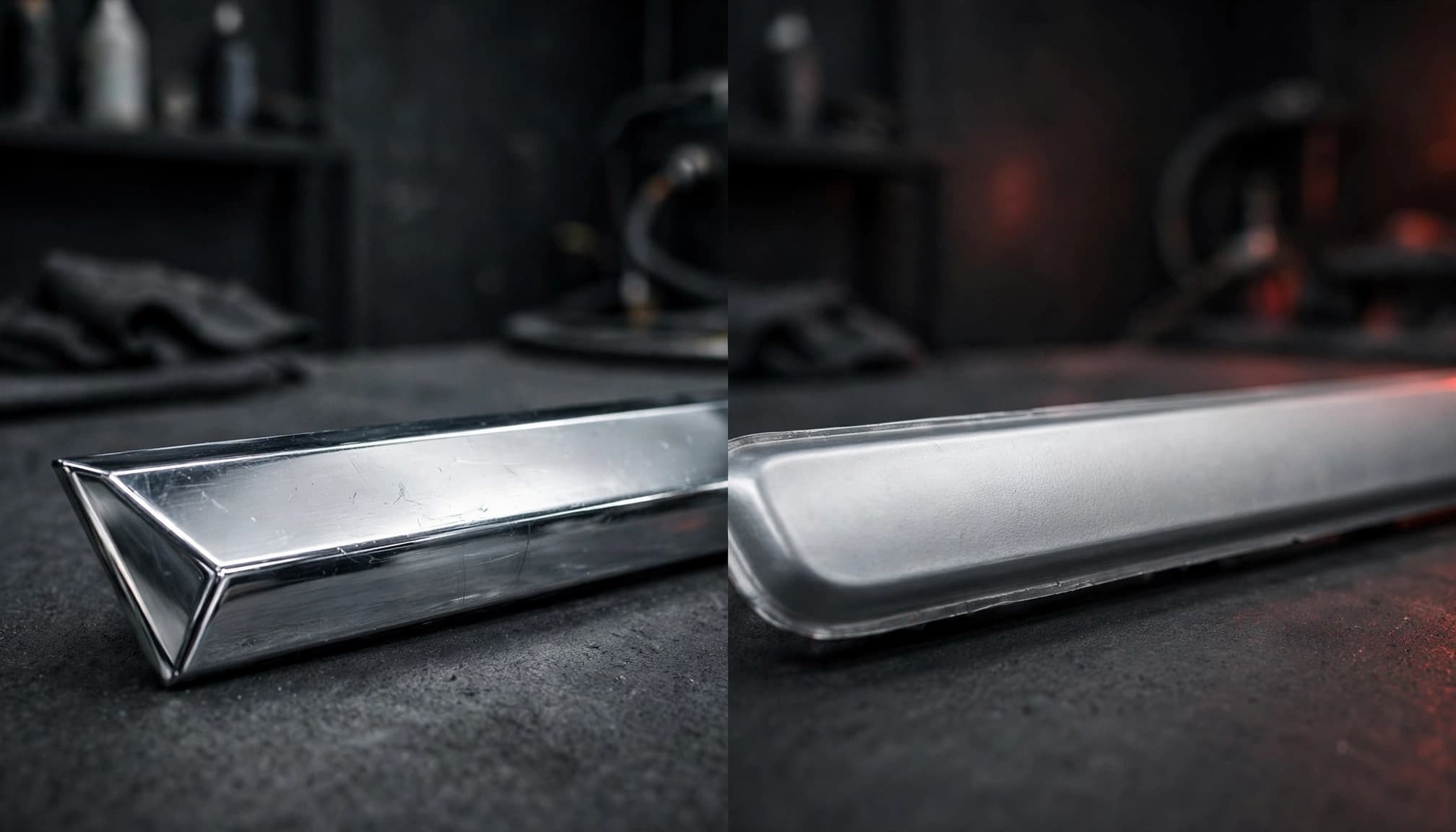
Real chrome and chrome-look plastic
Real chrome has a plated metal surface. Chrome-look plastic uses a decorative finish over a plastic component. The two can appear almost identical on a door handle or grille, especially after a wash.
Don’t rely on shine alone to identify the material. Check your owner’s manual or ask a qualified detailer if the finish is unclear. This matters most when you’re considering a metal polish, which may be too abrasive for a plated plastic part.
Bright and satin finishes need different care
Not every reflective part is meant to have a mirror shine. A satin finish has a softer appearance that aggressive rubbing could alter. Lincoln’s chrome-care video for bright and satin finishes is a reminder that even one vehicle brand distinguishes between them.
Follow your vehicle manufacturer’s instructions for the exact part. If the manual warns against polishing a finish, keep polish away from it, regardless of how similar it looks to the chrome beside it.
Prepare the trim and your cleaning supplies
Haze often begins before the trim is washed. Dust on a towel can drag across a delicate surface, while leftover cleaner in a cloth can leave a film. A little preparation gives you better control.
Start with gentle cleaning supplies
Use clean microfiber towels reserved for exterior care, water, and a mild car-wash soap where your vehicle’s instructions allow it. Armor All’s guidance on mild soap for automotive trim supports starting with car-wash soap rather than a strong household cleaner.
Check the soap label for its dilution and use instructions. Test any product on an inconspicuous area first, then inspect the spot after it dries. Don’t assume a cleaner is suitable for chrome-look plastic because its label mentions chrome.
Choose a cool, shaded place
Park out of direct sun and allow hot panels to cool before washing. In Dubai, water and wash solution can dry quickly on an exposed vehicle. Once that happens, removing every trace becomes harder.
Set out separate towels for washing and drying. A towel used on wheels or lower bodywork may carry grit, so keep it away from bright trim. Replace a towel if it falls on the ground or picks up visible dirt.
How to clean chrome trim without leaving film
A careful wash removes ordinary road dirt without asking a polish to do the work of soap. Keep the process simple and follow the wash product’s directions throughout.
Lift loose dirt before wiping
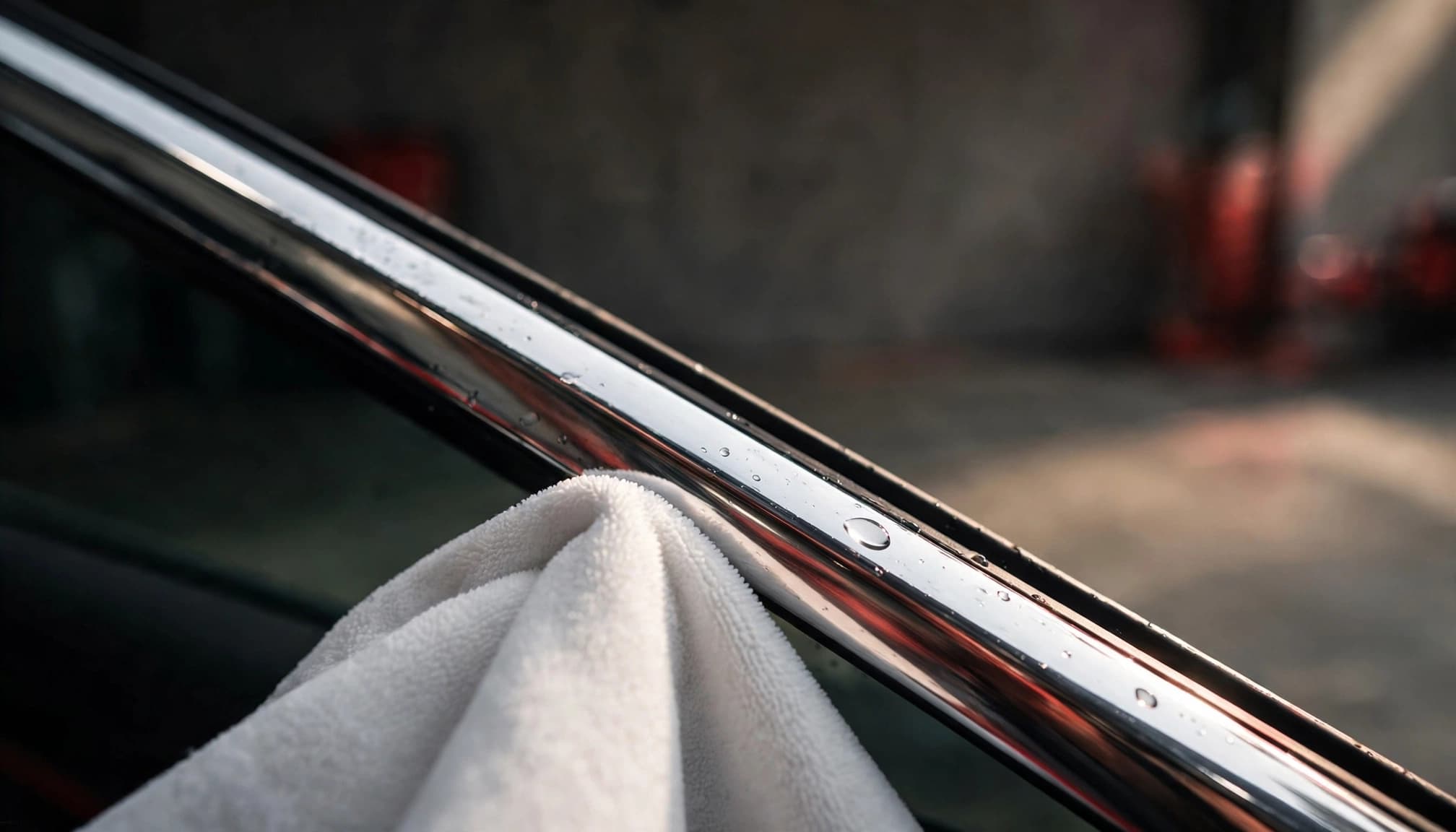
Rinse the surrounding panel and trim first so loose dust doesn’t get rubbed across the finish. Then wash with the approved car-wash solution and a clean microfiber towel, using light pressure. Give attention to the edges where trim meets paint, rubber, or glass.
For routine care, there’s little reason to begin with a specialty product. The guidance on starting chrome-trim cleaning with soap makes the same practical point: use the simplest suitable cleaning approach first.
Rinse and dry before the surface heats up
Rinse the washed area thoroughly, including seams where suds can collect. Soap left at an edge may reappear as a pale line once the surrounding surface dries.
Dry with a fresh microfiber towel while the vehicle remains shaded. Turn the towel to a clean side as it becomes damp, and check the trim from more than one angle. A reflection that looks clear head-on may show a streak when viewed along the length of the strip.
A cloudy line at a trim edge may be leftover wash solution, but the same appearance can also indicate a changed finish. Check the surface before reaching for polish.
Keep water spots and streaks under control
Clean chrome trim can still look hazy if water or product residue dries on it. The most useful adjustment is to stop liquid from sitting on the surface, particularly around narrow door and window strips.
Watch the gaps beside the trim
Water can remain where brightwork meets a seal or body panel. After the main wash, inspect those joins while the car is still in the shade. A fresh, absorbent towel helps prevent moisture from running across an already dried section.
Keep the drying towel separate from any cloth used for protectant or interior dressing. Product transferred from another job may leave an uneven sheen on exterior trim.
Check the result in ordinary light
Strong reflections can hide a faint film. Look at the dry trim from the front and at an angle before you put the towels away. If a cloudy patch stays in the same place, don’t treat it as ordinary wash residue without checking further.
Repeated heavy rubbing is a poor test. It can affect delicate finishes while doing little to explain the mark. Check the vehicle’s care guidance before using another product, especially on trim whose material you can’t confirm.
Be careful with polish and stronger cleaners
Chrome polish sounds like a natural answer to dull trim, but the word “chrome” on a package doesn’t establish that it’s safe for every bright surface on your car. Chrome-look plastic, satin finishes, and surrounding painted or rubber parts need separate consideration.
Read both the vehicle instructions and the product label before using a polish or chemical cleaner. Check whether the manufacturer permits it on the exact finish, then test it in a hidden area as directed. If either set of instructions is unclear, stay with gentle washing until you can confirm the right care.
Avoid household abrasive powders, rough pads, and strong chemicals as shortcuts. These may damage a decorative coating or affect the surface around a narrow strip. More pressure isn’t a substitute for identifying the mark.
A visible change in colour, flaking, or a persistent cloudy patch deserves a closer inspection. Cleaning won’t correct every finish problem, and applying more products can make the condition harder to assess.
When haze remains after a careful wash
First, give the trim time to dry fully and inspect it in even light. Note whether the mark follows a seam, covers the whole part, or appears only in a few patches. Those details help distinguish a cleaning issue from a possible change in the finish, without guessing at a treatment.
If you cannot identify the material or the cause, consult the vehicle manufacturer or an experienced detailer. Share which wash product you used and whether the mark was present beforehand. That gives them a better starting point than another round of trial and error.
For Dubai drivers, Bud Car Wash offers exterior detailing in Ras Al Khor with 24/7 availability. Ask the team to assess the trim and explain which care is suitable before approving polishing or another treatment. This is especially useful when several types of brightwork sit close together on the same vehicle.
Make trim care part of your travel routine
A long drive exposes the front grille, window surrounds, and door handles to road dust and frequent handling. Washing those areas as part of normal exterior care is easier than leaving buildup until you need a stronger product.
Before a road trip, check the trim after the car is washed, not while it’s still wet. A dry inspection gives you a clearer view of streaks and any marks that need professional attention. Pack a clean microfiber towel separately from used cleaning cloths if you plan to care for the car while away.
Appearance also matters when someone else provides the vehicle. Travelers often notice clean and comfortable chauffeur cars as part of a premium ride. The same attention to small exterior details helps your own car look cared for when you arrive.
Key takeaways
- Identify whether the part is metal chrome, chrome-look plastic, or another finish before using anything beyond approved routine care.
- Wash in the shade with a gentle product permitted by the vehicle manufacturer, and test it in a hidden area.
- Rinse seams thoroughly and dry with clean microfiber towels to reduce streaks and leftover film.
- Check persistent haze before polishing. Some marks need a finish assessment rather than more cleaning.
Frequently asked questions
Can I use chrome polish on plastic car trim?
Don’t assume you can. Chrome-look plastic has a decorative surface that may not tolerate an abrasive metal polish. Check the vehicle manufacturer’s instructions and the polish label for that exact type of finish. If suitability isn’t clear, ask a qualified detailer before using it.
Why does the trim look cloudy only after it dries?
Moisture, wash solution, or transferred product can be easier to see on a dry, reflective surface. A cloudy appearance may also come from the finish itself. Inspect the location and pattern of the mark, then check your vehicle’s care guidance before deciding what it needs.
Are paper towels suitable for drying chrome trim?
Clean microfiber is the safer routine choice for delicate exterior trim. It gives you a dedicated towel that can absorb moisture without borrowing residue from another cleaning job. Use a fresh section as you work, and don’t continue with a towel that has collected grit.
Can I wash chrome-look trim with regular car-wash soap?
A mild car-wash soap is a sensible starting point for routine automotive trim cleaning, but your vehicle’s instructions take priority. Confirm that the soap is suitable for the finish, follow its label, and test it in an inconspicuous area. Rinse it away before it dries on the part.
A clear finish starts with the right care
Chrome trim shouldn’t look cloudier after a wash. Identify the finish first, use gentle, approved supplies, and give rinsing and drying as much attention as washing.
If the haze remains after the trim is dry, pause before polishing. Knowing what surface you’re caring for is the best way to protect its shine.
Get a price on manual car wash
Shop #7, 44, 22nd Street, Ras Al Khor Industrial Area 2, open 24 hours. Tell us the car and we reply with a price and a time.
Would rather talk? Call +971 55 168 5050. Someone answers 24 hours.
See us first on Google
Google lets you choose the sites you want to see more of. Add Bud Car Wash as a preferred source and our car care guides show up more often in Top Stories and in Google’s AI answers.
Opens Google in a new tab. You can remove us again at any time.

Sammie O is the owner of Bud Car Wash, a 24 hour hand car wash and detailing shop at Shop #7, 44, 22nd Street, Ras Al Khor Industrial Area 2, Dubai. He writes the car care guides on this site based on work done in his own bay.
View All Articles