
Last updated 29 September 2026 by Sammie O, owner of Bud Car Wash in Ras Al Khor Industrial Area 2, Dubai.
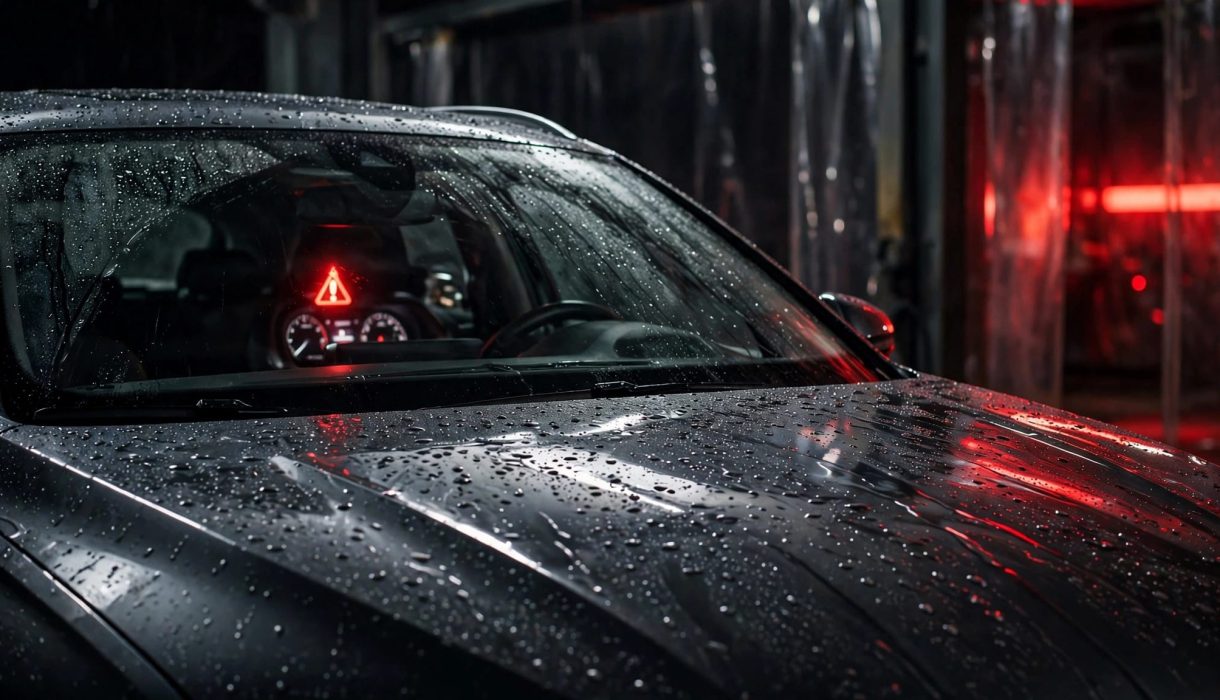
A warning light that appears after a car wash can be worrying, especially when you’re preparing for a long drive. A car wash warning light may be related to moisture near a sensor or electrical connection, but the timing alone doesn’t prove the cause.
First, identify the warning and follow the guidance in your owner’s manual. Some lights call for an immediate stop, while others may allow cautious driving to a safe place or repair shop.
Want us to do it instead?
We do computer diagnostics at our Ras Al Khor bay, 24 hours a day. Fill this in and we reply with a price and a time. The message writes itself, so you only tap send.
Would rather talk? Call +971 55 168 5050. Someone answers 24 hours.
Key Takeaways
- Check the symbol and colour, then consult your owner’s manual.
- Stop safely for an oil pressure warning, overheating, brake problems or another urgent warning.
- A light appearing after a wash may be connected to moisture, or it may be coincidental.
- Don’t assume a warning is harmless because the vehicle still drives normally.
- Arrange a professional inspection if a warning stays on, returns or is difficult to identify.
What to Do First When a Warning Light Appears
Stay calm and keep your attention on the road. Don’t try to read the manual, take a photo or inspect the vehicle while driving. If the warning appears in traffic, move to a safe stopping place only when it’s safe to do so.
Identify the symbol and colour
Note the light’s shape, colour and whether it is steady or flashing. Red warnings commonly call for prompt attention, but colours and meanings vary by vehicle. An amber or yellow light can also point to a problem that needs a timely check.
A dashboard message may give more detail than the symbol alone. Record the message or take a photo once the car is safely parked. This information can help a technician understand what you saw.
Check the owner’s manual
Look up the exact warning in your vehicle’s manual, including any instructions about stopping or driving. The same-looking symbol can have different meanings between makes and models.
If the manual says to stop, follow that direction. If the warning is unfamiliar and you can’t confirm it’s safe to drive, contact roadside assistance or a repair professional before continuing.
Why a Warning Light After a Car Wash Needs a Careful Check
The timing can be useful information, but it isn’t a diagnosis. A light may appear after washing because moisture has affected a sensor or electrical connection. It may also have been triggered by an unrelated issue that happened to appear at the same time.
Note when and how the light appeared
Write down whether the warning appeared during the wash, immediately after it or later on the drive. Note any related symptoms, such as reduced power, unusual noise, a change in braking or a temperature reading outside its normal range.
Also record whether the warning is steady or flashing and whether it disappears after the vehicle is parked. A light that goes away still deserves attention if it returns, or if the manual says to arrange service.
Don’t assume water is the cause
A car wash doesn’t confirm that a sensor or electrical part has been damaged. Avoid opening sealed components, unplugging connectors or spraying products into the engine bay to test a theory. These steps can create new problems or make an inspection more difficult.
Continue with the warning light’s instructions, not an assumption about the wash. If the cause isn’t clear, a diagnostic check can identify stored fault information and help determine what needs attention.
Warning Lights That Call for an Immediate Stop
Some warnings can point to conditions that may damage the vehicle or affect safe control. If one appears, use the manual’s instructions and move out of traffic to a safe place. Don’t continue a trip simply because the car still seems to run normally.
Oil pressure warning
An oil pressure warning requires prompt action. AAA advises pulling over and shutting off the engine at the earliest safe opportunity. Low oil pressure can lead to rapid engine wear, and possible causes include insufficient oil or an oil pump problem.
Read AAA’s guide to dashboard lights for general guidance, then check your owner’s manual for the vehicle-specific steps. Don’t keep driving to see whether the warning clears. If the light stays on or you’re unsure what to do next, arrange professional help.
Overheating, brake or other serious warnings
If the temperature warning indicates overheating, stop safely and follow the manual. Don’t open a hot radiator cap or touch hot engine components. If the brake warning remains on after you’ve checked that the parking brake is fully released, or the brakes feel different, stop driving and seek assistance.
Other warnings can also require an immediate response. A flashing warning, sudden loss of power, smoke, unusual smells or a new mechanical noise are reasons to pull over safely and get help rather than continue to your destination.
When Cautious Driving May Be Possible
Not every warning means the car must stop in its current position. Some may allow you to drive carefully to a safe parking place or nearby repair shop. The symbol, the vehicle’s behaviour and the manual’s instructions all matter.
A steady check engine light
A steady check engine light may not require an immediate roadside stop if the vehicle feels and sounds normal. However, it still needs attention. Arrange a diagnostic check soon, and avoid a long trip until you understand the warning.
If the light flashes, the car runs roughly, loses power or develops unusual sounds, pull over when safe and contact a professional. AAA’s overview of check engine and other warning lights explains why the exact warning and symptoms matter.
ABS or tyre pressure warnings
An ABS warning may mean the anti-lock braking feature isn’t available, even if regular braking still works. Drive slowly and cautiously only if the manual supports it and the brakes feel normal. If braking changes, stop and seek assistance.
For a tyre pressure warning, check the tyres in a safe place and use the vehicle’s recommended pressure information. Don’t continue if a tyre looks flat, is visibly damaged or the car pulls to one side. A warning that stays on after a pressure check needs attention.
Safe Checks You Can Make After the Wash
Once the vehicle is parked safely, a few basic checks can help you describe the issue. They won’t confirm the cause, and they shouldn’t replace the manual or a professional inspection.
Check visible areas only
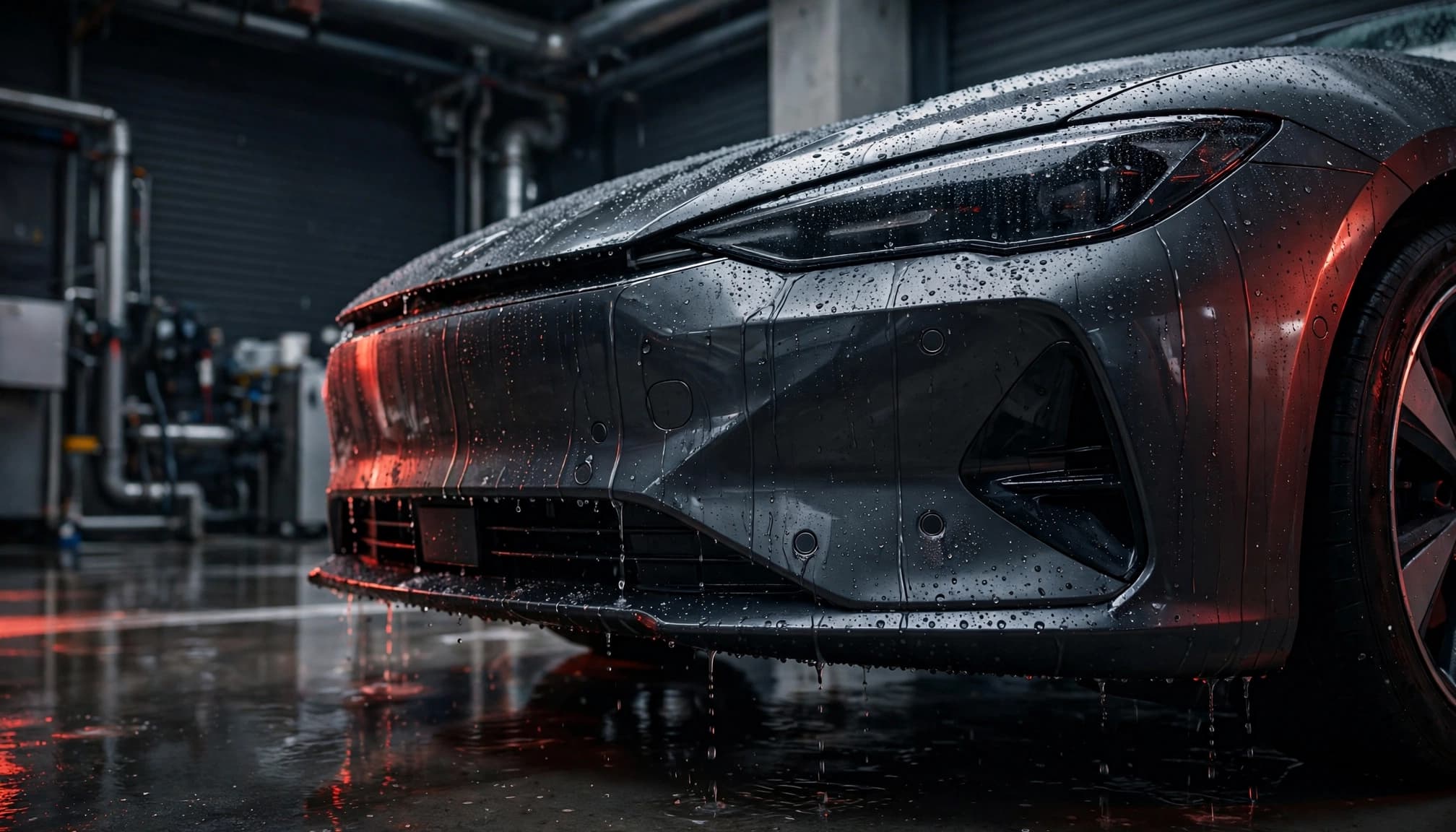
If a parking sensor warning appears, look for visible dirt, foam or water on the sensor surfaces. Wipe the area gently with a clean, soft cloth. Don’t use sharp objects, strong cleaners or forceful spray, and don’t assume cleaning has fixed the issue if the warning stays on.
Check the instrument display for any message that identifies the affected system. Avoid reaching into the engine bay or touching wiring, fuses and electrical connectors, especially when parts may be wet or hot.
Keep a clear record
Note the time of the wash, the warning symbol, any dashboard message and any change in how the car drives. Record whether the warning stays on after parking or appears again on a later trip. This can give a repair shop useful context without asking you to diagnose the vehicle.
Don’t disconnect the battery or clear a warning code to make the light disappear. That can erase information a technician may need to find the fault.
When to Arrange a Professional Inspection
Arrange an inspection if a warning stays on, returns after disappearing or is paired with a change in vehicle performance. Seek help promptly if the manual advises it, if you can’t identify the symbol, or if you’re unsure whether the car is safe to drive.
A technician can check stored diagnostic information, inspect the relevant system and look for moisture-related concerns without treating the wash as a confirmed cause. Share the details you recorded, including when the warning appeared and whether it was steady or flashing.
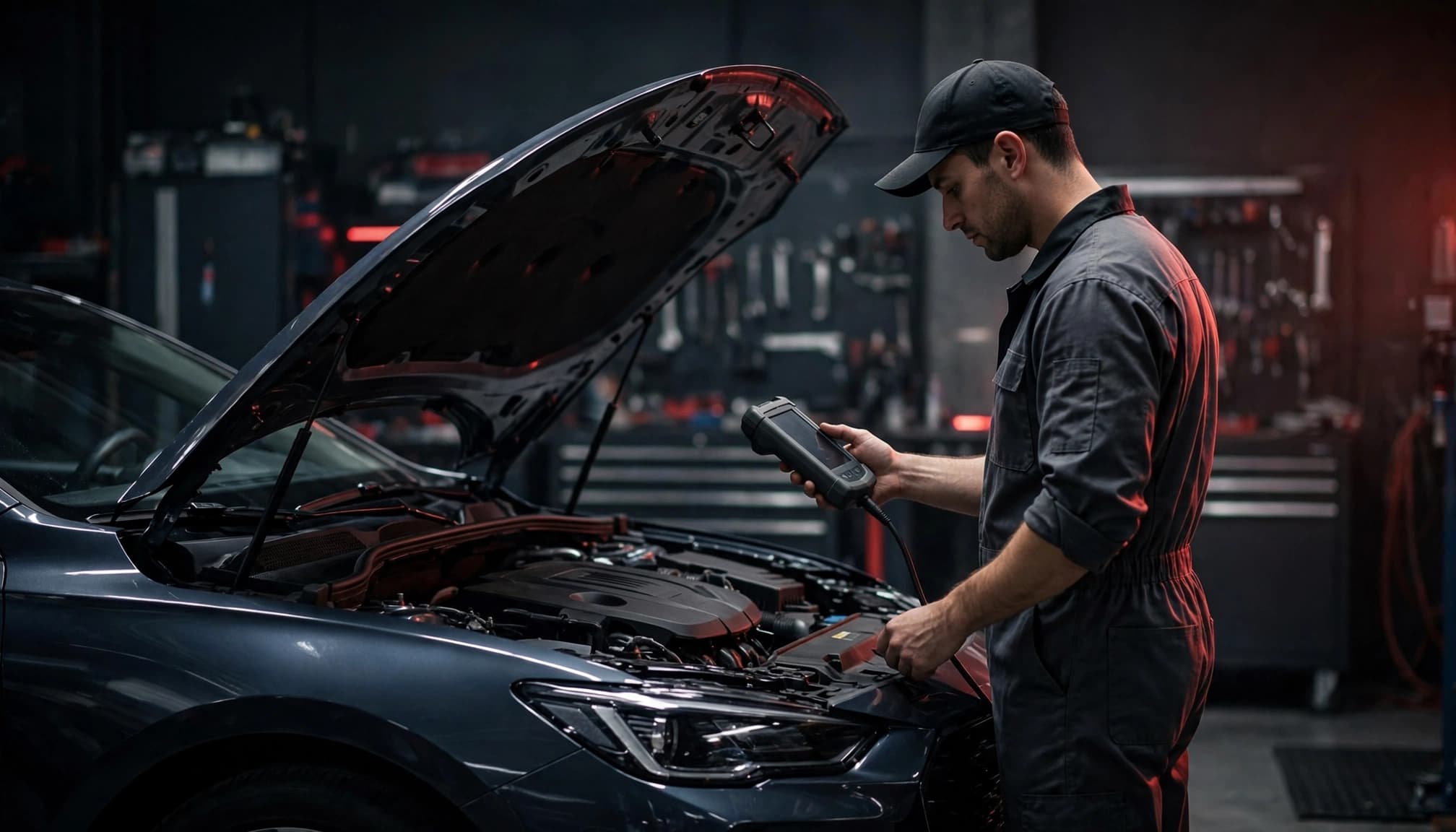
Before a long drive, have unresolved warnings checked. Bud Car Wash offers practical vehicle services and professional care for drivers in Ras Al Khor and nearby Dubai areas. A warning that affects engine, brake or electrical operation should be assessed before setting off.
Frequently Asked Questions
Can a car wash cause a warning light?
Moisture may affect a sensor or electrical connection, but a warning appearing after washing doesn’t prove that happened. The timing may be coincidental. Use the warning symbol, owner’s manual and vehicle symptoms to decide what to do.
Should I drive if the light turns off?
A warning that disappears may still need attention, especially if it returns or the manual recommends service. Keep a record of when it appeared. If the original warning was urgent, don’t treat its disappearance as proof that the car is safe to drive.
Can I dry the sensor myself?
You can gently wipe visible exterior sensor surfaces with a clean, soft cloth. Avoid forceful spray, sharp tools and work on electrical parts. If the warning remains or the system doesn’t work as expected, arrange an inspection.
Respond to the Warning, Not Just the Timing
A warning light after a wash may relate to moisture, or it may have appeared by coincidence. The safest response is to identify the symbol, check the manual and act according to the level of risk.
Stop for urgent warnings, and don’t ignore a light that stays on or returns. A professional check can clarify the issue before it interrupts a trip or affects your safety.
Get a price on computer diagnostics
Shop #7, 44, 22nd Street, Ras Al Khor Industrial Area 2, open 24 hours. Tell us the car and we reply with a price and a time.
Would rather talk? Call +971 55 168 5050. Someone answers 24 hours.
See us first on Google
Google lets you choose the sites you want to see more of. Add Bud Car Wash as a preferred source and our car care guides show up more often in Top Stories and in Google’s AI answers.
Opens Google in a new tab. You can remove us again at any time.

Sammie O is the owner of Bud Car Wash, a 24 hour hand car wash and detailing shop at Shop #7, 44, 22nd Street, Ras Al Khor Industrial Area 2, Dubai. He writes the car care guides on this site based on work done in his own bay.
View All Articles