
Last updated 23 July 2026 by Sammie O, owner of Bud Car Wash in Ras Al Khor Industrial Area 2, Dubai.
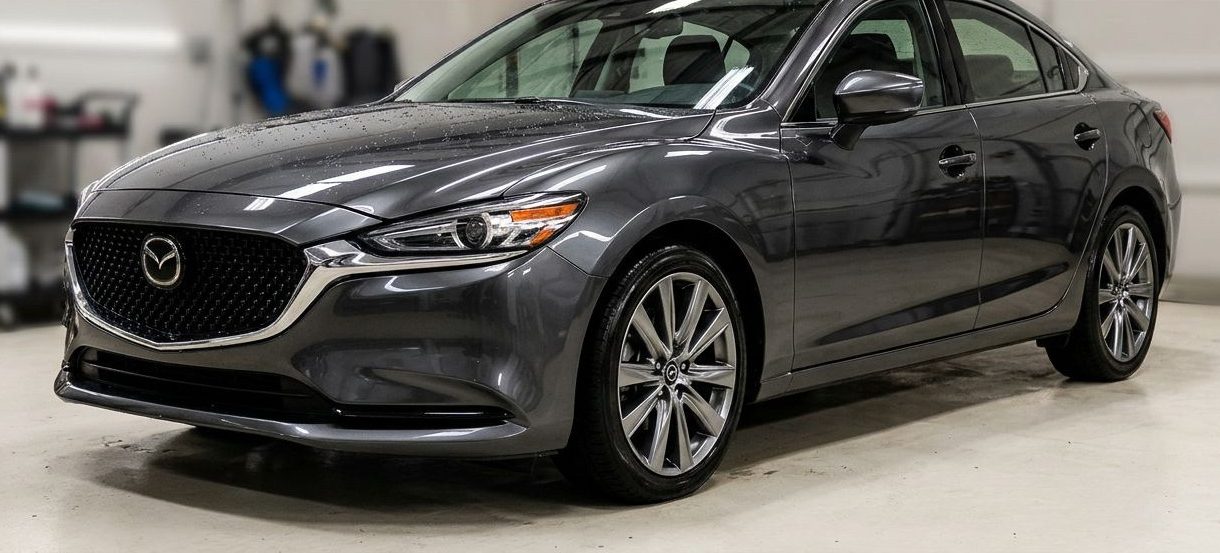
Yes, car wax can make a clean car look noticeably shinier. The car wax shine comes from a thin layer that smooths the paint’s surface, improves light reflection, and adds a richer finish. Wax also helps protect the clear coat from water, dust, and everyday contamination.
Wax doesn’t remove deep scratches, repair peeling clear coat, or restore heavily oxidized paint by itself. The quality of the result depends on preparation, product type, paint condition, and application. Once the surface is clean and smooth, the right wax can give your vehicle a glossy, refreshed appearance.
Want us to do it instead?
We do detailing and surface protection at our Ras Al Khor bay, 24 hours a day. Fill this in and we reply with a price and a time. The message writes itself, so you only tap send.
Would rather talk? Call +971 55 168 5050. Someone answers 24 hours.
Key Takeaways
- Wax makes clean paint look glossier, smoother, and deeper in color.
- Carnauba wax gives a warm finish, while synthetic sealants usually last longer.
- Ceramic spray protectants add water repellency but aren’t the same as ceramic coatings.
- Wax won’t correct oxidation, deep scratches, or damaged clear coat.
- Proper washing and surface preparation create most of the final shine.
How Car Wax Shine Is Created
A vehicle’s paint reflects light best when its surface is clean and smooth. Dirt, road film, old wax, mineral deposits, and fine surface marks scatter light. This makes the paint look dull, even when the color underneath is still healthy.
Wax forms a thin protective layer over the clear coat. That layer can fill very small surface imperfections and create a more even surface for light to reflect from. The result is a brighter gloss, smoother touch, and stronger color depth.
Dark colors often show the change most clearly. Black, navy, deep red, and dark grey paint can look richer after waxing. White and silver vehicles also benefit, although the improvement may appear as cleaner reflections and better clarity rather than a dramatic color change.
Wax can also make water bead on the paint. This is useful because water and loose dirt are less likely to spread across the surface. However, water beading isn’t a complete measure of paint protection. A product may still protect the paint after its beads become less pronounced.
A waxed surface may feel smooth and look glossy, but the wax hasn’t corrected the paint. It hasn’t removed swirl marks or leveled scratches. It has improved the way the existing surface looks.
Carnauba Wax, Synthetic Sealants, and Ceramic Sprays
Not all paint protection products create the same finish or last for the same period. Choosing between them depends on the look you want, how often you maintain your car, and the condition of the paint.
Traditional carnauba wax
Carnauba wax is made with natural wax blended with oils and other ingredients. It is known for producing a warm, rich finish, especially on darker paint. Many car owners choose it because the surface feels smooth and the gloss looks soft rather than sharp.
Traditional wax is usually easy to apply by hand. It also offers a pleasant finish for vehicles that receive regular care. Its main limitation is durability. Heat, strong cleaners, frequent washing, and outdoor exposure can reduce its life.
Carnauba wax is a good choice when you want a noticeable finish for a special occasion, a weekend detailing project, or regular appearance maintenance. It isn’t the best option if you want the longest possible protection with the fewest applications.
Synthetic paint sealants
Synthetic sealants use manufactured polymers to bond to the paint. They often produce a brighter, sharper reflection than carnauba wax. A sealant can be a practical choice for daily drivers because it generally lasts longer than traditional wax.
The finish may look more reflective and glass-like, while carnauba often provides a warmer appearance. Neither option is automatically better. The best choice depends on your vehicle’s color and the type of finish you prefer.
A synthetic sealant can protect paint against normal environmental exposure, but it still needs proper washing. It won’t stop stone chips, deep scratches, or damage caused by neglected contamination.
Ceramic spray protectants
Ceramic sprays usually contain silicon-based ingredients that add slickness, gloss, and water repellency. They are often faster to apply than paste wax and can work well as a maintenance product after washing.
A ceramic spray protectant isn’t the same as a professionally installed ceramic coating. It typically provides a thinner, shorter-term layer and doesn’t create a permanent shield. It also doesn’t correct paint defects.
For a clear comparison of wax and longer-lasting coating products, see this guide to car wax and paint protection. The main point is simple: all three products can improve appearance, but their finish, application, and service life are different.
| Product | Typical finish | Main advantage | Main limitation |
|---|---|---|---|
| Carnauba wax | Warm and rich | Attractive traditional gloss | Shorter durability |
| Synthetic sealant | Bright and reflective | Longer protection | Less warm-looking finish |
| Ceramic spray | Slick with strong water behavior | Quick maintenance application | Not a full ceramic coating |
These products improve a prepared surface. None of them can replace cleaning, paint correction, or repairs when the paint is damaged.
Prepare the Paint Before Waxing
Waxing over dirt traps contamination under the product. That can leave streaks, reduce gloss, and cause scratches during application. Preparation is the most important part of achieving a clean car wax shine.
Start by washing the vehicle in a shaded area. Use a dedicated car shampoo, a clean wash mitt, and separate tools for the wheels. Rinse the car thoroughly before washing, especially around the lower doors, bumpers, and wheel arches.
Dry the paint with a clean microfiber towel. Avoid allowing hard-water spots to dry on the surface. If the paint feels rough after washing, use a clay bar or clay mitt with suitable lubricant to remove bonded contamination such as overspray, tree sap, and industrial fallout.
Inspect the paint under good lighting. If you can see light swirls or haze, a mild polish may improve the result before waxing. Follow the polish with another wipe-down so oils and residue don’t interfere with the wax.
The surface should be:
- Clean and free from loose dirt
- Dry before product application
- Cool to the touch
- Smooth when you run your hand lightly across it
- Free from heavy polish or old product residue
Wax should be applied to paint, not rubber trim, textured plastic, glass, or tires unless the product label allows it. Some waxes leave white residue on black plastic that can be difficult to remove.
How to Apply Wax for a Better Gloss
Read the product instructions before starting. Paste wax, liquid wax, sealants, and ceramic sprays don’t all use the same process.
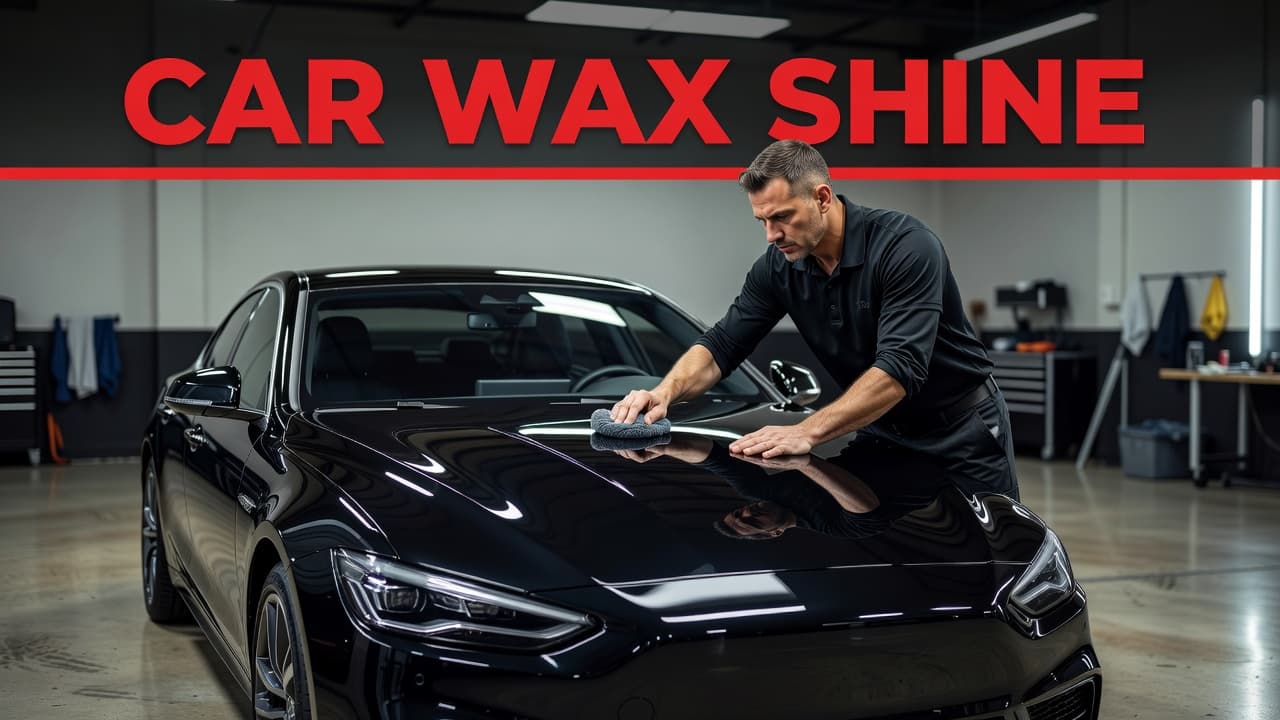
For traditional wax or liquid sealant, apply a thin, even coat with a clean foam applicator. Work on one small panel at a time. Use light pressure and overlapping motions rather than scrubbing the paint.
More product doesn’t create more shine. A thick layer takes longer to remove and often leaves uneven residue. A thin coat usually spreads more easily and cures more evenly.
Allow the product to haze or set according to the label. Then remove it with a clean, dry microfiber towel. Turn the towel often so you aren’t wiping with a loaded section. A second towel can help with the final buffing pass.
Spray protectants are often applied to a wet or dry vehicle, depending on the instructions. Apply a small amount, spread it evenly, and buff away excess product. Too much spray can cause smears, especially on dark paint or in warm weather.
For the best result, avoid waxing in direct Dubai sunlight or on hot body panels. High temperatures can cause the product to dry too quickly. A shaded, cool workspace gives you more control and reduces streaking.
Common waxing mistakes
Many poor results come from the application process rather than the product itself.
- Waxing a dirty car can create fine scratches.
- Applying a heavy coat can leave haze and difficult residue.
- Using one dirty towel can spread dust across the paint.
- Working on hot panels can cause uneven curing.
- Waxing over oxidation can make the finish look patchy.
- Applying wax to plastic trim can leave pale marks.
- Washing with harsh detergents can shorten the product’s life.
A wax or sealant can be removed unevenly if the surface is contaminated. Wash gently and use clean microfiber towels during every maintenance wash. Practical detailing discussions, such as this wax and paint protection explanation, also highlight how product choice and surface preparation affect the final result.
Will Wax Fix Dull or Oxidized Paint?
Wax can improve mildly faded paint for a short time, but it won’t repair oxidation. Oxidation happens when the clear coat or exposed paint breaks down after prolonged exposure to sunlight, heat, moisture, and air.
Light oxidation may respond to a suitable polish or paint cleaner. These products remove or reduce the damaged surface layer and create a smoother base for protection. Wax should be applied after that work, not used as the main correction step.
Heavy oxidation often appears chalky, cloudy, or uneven. If the clear coat is peeling, bubbling, or missing, polishing and waxing won’t restore it permanently. The panel may need professional refinishing.
Paint correction should also be considered when the car has obvious swirl marks, water spots, or fine scratches. A polish can improve clarity, but aggressive machine polishing requires the correct pad, compound, and technique. Removing too much clear coat can create further damage.
Professional wax-and-polish service is useful when the paint needs more than a basic wash. A proper detailer can inspect the surface, select a safe correction method, and apply protection after the paint is prepared. This creates a more even finish than applying wax over visible defects.
How Long Does the Shine Last?
The visible gloss can last until the surface becomes dirty or contaminated. The protective product may last longer, but its performance changes with weather, washing, storage, and product quality.
Traditional carnauba wax often needs more frequent reapplication. Synthetic sealants normally last longer, while ceramic spray products vary widely by formula and use. Treat the manufacturer’s instructions as a guide, not a guarantee.
Wash the vehicle with a pH-balanced car shampoo and a soft microfiber mitt. Avoid automatic brushes that can create swirl marks. Dry the vehicle carefully, then refresh the protection when water no longer behaves as expected or the surface loses its slick feel.
Regular washing protects the finish between waxing sessions. It also allows you to spot bird droppings, tree sap, and water marks before they bond to the paint.
Conclusion
Yes, wax makes a car shine when it is applied to clean, healthy paint. It improves reflection, adds smoothness, and gives the vehicle a more polished appearance. Traditional carnauba wax creates a warm finish, synthetic sealants offer longer protection, and ceramic sprays provide quick water-repellent maintenance.
Wax cannot correct oxidation, deep scratches, peeling clear coat, or serious paint damage. Prepare the surface first, apply a thin coat in the shade, and use clean microfiber towels for removal. The best car wax shine comes from careful preparation followed by the right protection product.
Get a price on detailing and surface protection
Shop #7, 44, 22nd Street, Ras Al Khor Industrial Area 2, open 24 hours. Tell us the car and we reply with a price and a time.
Would rather talk? Call +971 55 168 5050. Someone answers 24 hours.
See us first on Google
Google lets you choose the sites you want to see more of. Add Bud Car Wash as a preferred source and our car care guides show up more often in Top Stories and in Google’s AI answers.
Opens Google in a new tab. You can remove us again at any time.

Sammie O is the owner of Bud Car Wash, a 24 hour hand car wash and detailing shop at Shop #7, 44, 22nd Street, Ras Al Khor Industrial Area 2, Dubai. He writes the car care guides on this site based on work done in his own bay.
View All Articles