
Last updated 14 August 2026 by Sammie O, owner of Bud Car Wash in Ras Al Khor Industrial Area 2, Dubai.
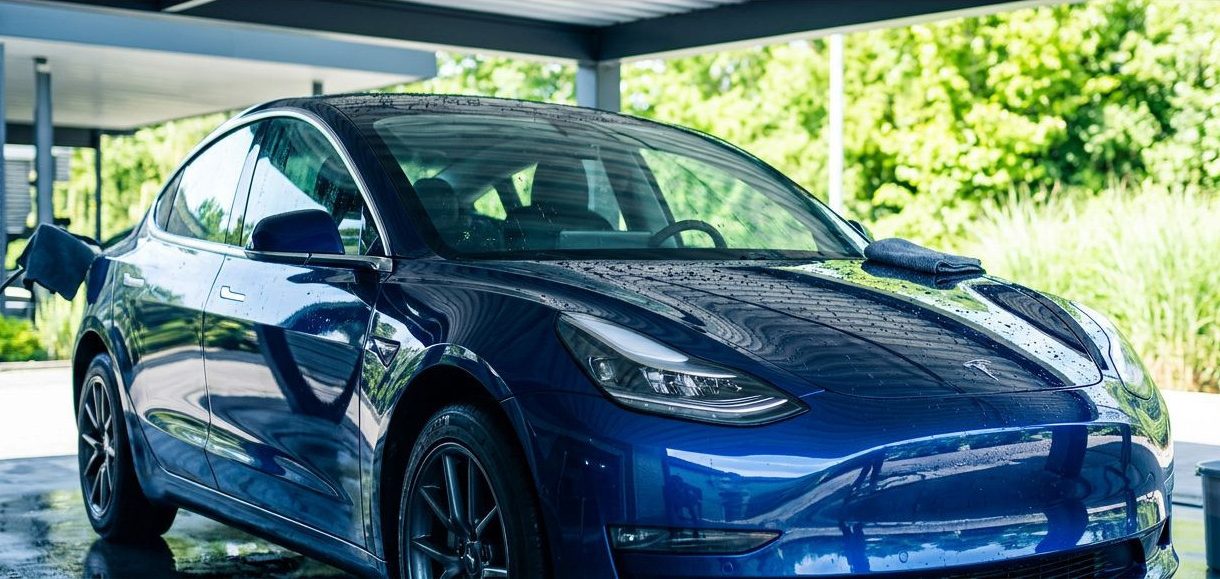
A hot, sunny day can turn a simple wash into a race against drying soap and mineral-rich water. A proper car wash hot weather routine keeps the paint cool, prevents residue, and gives your vehicle a cleaner finish.
Washing in direct sunlight can leave water spots before you have time to rinse them away. The safest approach is to work in shade, wash small sections, keep the surface wet, and dry the vehicle promptly.
Want us to do it instead?
We do manual car wash at our Ras Al Khor bay, 24 hours a day. Fill this in and we reply with a price and a time. The message writes itself, so you only tap send.
Would rather talk? Call +971 55 168 5050. Someone answers 24 hours.
Key Takeaways
- Wash your vehicle in full shade, preferably early in the morning or later in the afternoon.
- Keep the paint cool and wet, and clean one small section at a time.
- Use pH-neutral car shampoo, clean microfiber towels, and separate tools for wheels.
- Dry the vehicle immediately to reduce mineral deposits and soap residue.
- Light water spots may be removed at home, but etched deposits often need professional detailing.
Why Hot Weather Makes Car Washing More Difficult
Vehicle paint can become much hotter than the surrounding air. Dark-colored cars absorb more sunlight, while metal panels can heat quickly even on a moderately warm day.
When water or soap sits on a hot panel, it evaporates faster. The minerals remain behind as white or cloudy marks. Shampoo can also dry into a thin film that takes more effort to remove.
The main problem isn’t the water itself. The problem is rapid evaporation. A clean rinse can become a collection of mineral spots within minutes.
Hot surfaces also make waxing and polishing more difficult. Wax may spread unevenly, dry too quickly, or become difficult to buff. Some products can leave streaks when applied to warm paint.
A useful reference from Chemical Guys’ guide to washing a car in the sun also highlights the importance of shade, timing, and proper preparation.
Hot-weather washing is mainly a timing and temperature problem. If the panel dries before you rinse it, the process is already working against you.
Choose a shaded driveway, covered parking area, or professional wash bay. If shade isn’t available, wait until the vehicle is cool to the touch. Avoid washing immediately after driving, especially when the bonnet, roof, and wheels are still hot.
Car Wash Hot Weather: The Safest DIY Method
A good car wash hot weather routine starts before the first bucket is filled. Prepare every product and towel in advance so the vehicle isn’t sitting wet while you look for supplies.
Park in shade and close the windows. Remove watches, rings, and other items that could scratch the paint. Keep your wash mitts and drying towels clean, because trapped grit can create fine marks during washing.
1. Rinse the vehicle first
Use a gentle stream of water to remove loose dust, sand, and surface dirt. Pay attention to lower doors, wheel arches, bumpers, and the area behind the wheels.
Don’t begin rubbing a dry, dusty panel. Dust can act like fine sandpaper when dragged across the paint.
A pre-rinse also cools the surface. Let excess water run off, but don’t allow the panels to dry completely before applying shampoo.
2. Wash one small section at a time
Use a bucket of clean water with a pH-neutral car shampoo. Avoid household dish soap, strong degreasers, and abrasive cleaners unless the product is designed for automotive surfaces.
Start with the roof or upper panels, then work down toward the dirtier lower areas. Wash half a roof, one window, or one door at a time. Rinse each section before moving to the next one.
Keep the panel wet while you work. If the water begins to disappear quickly, stop and rinse again. A shaded vehicle may still need frequent rinsing in hot conditions.
Use straight, light passes with the wash mitt. Heavy pressure is unnecessary. The shampoo and water should lift dirt away without forcing grit across the surface.
3. Rinse thoroughly
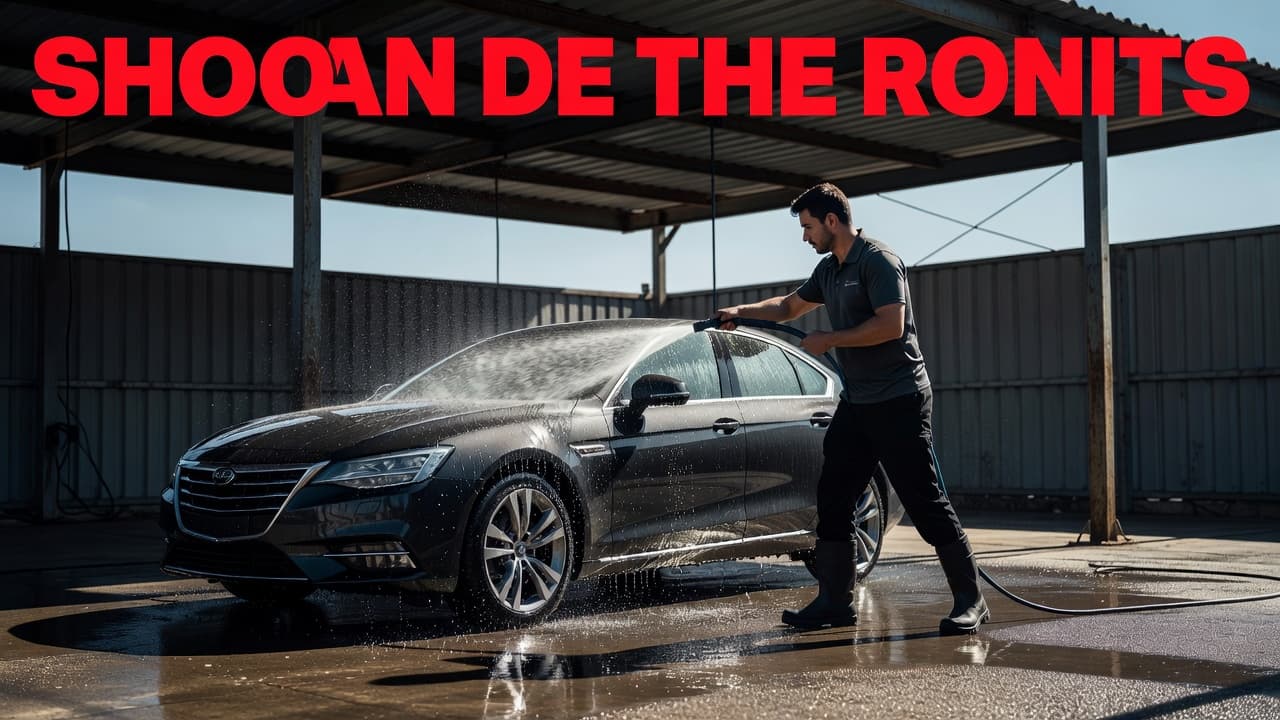
Rinse from the top down so dirty water moves toward the ground instead of back over clean panels. Check mirrors, door handles, trim gaps, badges, and the edges of the boot or tailgate.
Soap left in a panel gap can run out later and create streaks. This is common around side mirrors and black window trim.
Don’t let rinse water dry naturally on the paint. Move directly to drying while the surface is still wet.
4. Dry promptly with microfiber towels
Use a clean, high-quality microfiber drying towel. Lay it flat over a panel and pull it gently across the surface, or use light blotting pressure.
Work in small areas and inspect the towel regularly. If it picks up dirt, replace it with a clean towel. Never use a towel that has fallen on the ground.
Dry the glass, mirrors, lights, door jambs, and panel gaps. Water trapped in these areas can drip onto freshly dried paint when you drive away.
An air blower can help remove water from grilles, badges, mirrors, and trim. Drying quickly is one of the most effective ways to reduce water spots during hot weather.
Products and Tools That Protect the Finish
The products you use matter more when the weather is hot. A mild, pH-neutral shampoo provides cleaning power without being unnecessarily harsh on wax or paint protection.
Use a soft wash mitt and a separate set of tools for the wheels. Brake dust and road grit can damage paint when they are transferred from wheels to body panels.
Keep these items ready:
- Two buckets, one for shampoo and one for rinsing the mitt
- A pH-neutral car shampoo
- A hose with a gentle spray setting
- A soft wash mitt
- Separate wheel brushes
- Several clean microfiber towels
- A dedicated glass towel
- A drying aid suitable for automotive paint
A drying aid can add lubrication while you dry and may help reduce streaking. Follow the product directions and avoid applying it to a hot, dry panel.
For regular protection, a suitable wax or paint sealant can make future cleaning easier. Apply it only when the paint is cool and dry. Work in small sections and remove it before it becomes difficult to buff.
Avoid products that promise instant results but provide no clear instructions for hot surfaces. The Carwash.com guide to detailing in the heat explains why soap and wax can bake onto warm paint.
Water Spots or Etched Mineral Deposits?
Not every mark requires polishing. Identifying the type of damage helps you choose the correct treatment.
Cosmetic water spots are usually mineral residue sitting on top of the clear coat. They may look white, cloudy, or ring-shaped. Fresh spots can often be removed with a proper car wash, a dedicated water-spot remover, or a mild clay treatment.
Test any product on a small, hidden area first. Apply it to a cool surface, follow the instructions, and avoid aggressive rubbing.
Etched mineral deposits are different. They form when minerals remain on the paint and the acidic or alkaline residue begins to affect the clear coat. The mark may remain after washing and may feel smooth because the damage is inside the surface rather than sitting on top.
You can often identify etching by inspecting the panel from different angles. If the outline remains after careful cleaning, the clear coat may need machine polishing.
| Condition | Common appearance | Suitable first step |
|---|---|---|
| Fresh water residue | Light rings or cloudy marks | Wash and dry the panel correctly |
| Older mineral spots | Noticeable white marks | Use a paint-safe water-spot remover |
| Etched deposits | Marks remain after cleaning | Seek professional paint inspection |
| Scratches mixed with spots | Lines or dull patches | Professional polishing may be needed |
Don’t use kitchen vinegar, scouring pads, rough sponges, or household powders on automotive paint. These methods can create new marks or weaken surrounding protection.
If spots cover the entire vehicle, professional detailing is safer. A trained detailer can measure the condition of the paint, select an appropriate polish, and apply protection after correction. More polish isn’t always better, because clear coat removal is permanent.
When to Choose a Professional Car Wash
DIY washing works well when you have shade, clean equipment, and enough time to dry the vehicle properly. It becomes less practical when the car is heavily soiled, the weather is extremely hot, or the paint already has widespread spotting.
Professional services provide controlled washing, dedicated tools, and careful drying. A quality exterior wash should include attention to wheels, lower panels, trim, mirrors, and areas where soap commonly collects.
Professional detailing may be needed when:
- Water spots remain after a careful wash
- Mineral marks cover several panels
- The paint feels rough after cleaning
- The finish looks dull or uneven
- You want polishing, wax, or paint sealant
- You don’t have a shaded place to wash safely
This is especially useful in hot, dusty climates such as Dubai. Sand, road dust, intense sunlight, and mineral deposits can build up quickly. A regular professional wash removes contamination before it becomes harder to correct.
For more summer care guidance, Pony Car Wash’s paint protection tips also recommends combining regular cleaning with suitable wax or sealant protection.
How Often Should You Wash in Hot Weather?
Wash frequency depends on where you drive and where the vehicle is parked. A car exposed to dust, construction areas, coastal air, or bird droppings may need more frequent cleaning than a vehicle kept in covered parking.
Don’t wait for heavy dirt to build up. Contamination becomes harder to remove when it sits under strong heat and sunlight.
A gentle weekly wash is suitable for many daily-driven vehicles. If the car is only lightly dusty, a professional rinse or carefully used waterless wash may be appropriate, but the product must match the level of dirt.
Bird droppings, tree sap, and bug residue should be removed as soon as possible. Soften the area with water and a suitable cleaner. Avoid scraping dry contamination from the paint.
The best time for a hot-weather wash is early morning or late afternoon, when the panels are cooler and evaporation is slower. Shade remains important at any time of day.
Conclusion
A safe car wash hot weather routine depends on control. Keep the vehicle in shade, wash small sections, use pH-neutral products, maintain a wet surface, and dry promptly.
Fresh water spots are often manageable with careful cleaning. Etched mineral deposits need a different approach and may require professional polishing. When the weather is harsh or the paint already shows damage, a dependable professional wash and detailing service can protect the finish while restoring a clean, refreshed appearance.
Bud Car Wash is open 24 hours. Hand wash, interior detailing, wax and polish at any hour of the day or night in Ras Al Khor Industrial Area 2, Dubai. No appointment needed. See our 24 hour car wash service.
Get a price on manual car wash
Shop #7, 44, 22nd Street, Ras Al Khor Industrial Area 2, open 24 hours. Tell us the car and we reply with a price and a time.
Would rather talk? Call +971 55 168 5050. Someone answers 24 hours.
See us first on Google
Google lets you choose the sites you want to see more of. Add Bud Car Wash as a preferred source and our car care guides show up more often in Top Stories and in Google’s AI answers.
Opens Google in a new tab. You can remove us again at any time.

Sammie O is the owner of Bud Car Wash, a 24 hour hand car wash and detailing shop at Shop #7, 44, 22nd Street, Ras Al Khor Industrial Area 2, Dubai. He writes the car care guides on this site based on work done in his own bay.
View All Articles