
Summer heat, dust, insects, and sudden rain can make a clean car look dirty within days. If you’re wondering how often to wash car in summer, the right answer depends on where you drive, where you park, and what lands on the paint.
Most cars need a full wash every one to two weeks during summer. Vehicles exposed to Dubai’s dust, coastal air, bird droppings, tree sap, or heavy traffic may need more frequent care. Prompt spot-cleaning also matters because some contaminants can damage the finish long before the whole car looks dirty.
Key Takeaways
- Wash most cars every one to two weeks during summer.
- Remove bird droppings, bugs, tree sap, and water spots as soon as possible.
- Wash in the shade or during cooler hours, never on hot panels under direct sunlight.
- Use a gentle wash method, clean microfiber towels, and separate tools for wheels.
- Add wax, sealant, or professional detailing when the paint needs longer-lasting protection.
How Often Should You Wash Your Car in Summer?
A full wash every 7 to 14 days is a practical summer schedule for most vehicles. This removes dust, road film, pollen, insects, and mineral deposits before they build up on the paint.
A car driven daily through busy roads may need weekly washing. A vehicle parked in a covered area and driven less often may stay in good condition with a wash every two weeks. The calendar is useful, but the car’s condition is more important than a fixed routine.
You should wash more often when your vehicle is exposed to:
- Fine desert dust and sand
- Coastal salt air
- Bird droppings or insects
- Tree sap and pollen
- Construction dust
- Mud after rain
- Frequent highway driving
In Dubai, dust can settle quickly across the roof, glass, wheels, and lower body panels. Rubbing a dry, dusty surface can create fine scratches. Regular rinsing and careful washing reduce that risk.
Summer washing also helps maintain wax, sealant, and other paint protection products. A summer car care guide can provide additional advice on washing and protecting the exterior during hotter months.
When a Full Wash Is Not Enough
A regular wash removes general dirt. It doesn’t replace prompt cleaning when a harmful substance lands on the paint.
Bird droppings
Bird droppings contain acids and can etch clear coat, especially when they dry on a hot panel. Remove them as soon as you notice them. Place a damp microfiber towel over the area for a few minutes, then lift the residue gently.
Don’t scrape dried droppings with a card, fingernail, or rough cloth. The particles can scratch the surface as you drag them across the paint.
Bugs
Bug remains contain proteins and acidic compounds that can bond to the front bumper, bonnet, mirrors, and windscreen. Heat makes them harder to remove.
A quick rinse may loosen fresh remains. For dried marks, use a car-safe insect remover and a soft microfiber towel. Avoid household kitchen cleaners because they may strip protection or leave the finish dull.
Tree sap
Tree sap becomes sticky and difficult to remove when exposed to sunlight. It can also hold dust against the paint.
Use a dedicated automotive sap remover according to its instructions. Apply it to a cloth rather than pouring large amounts directly onto the panel. Wipe gently, then wash the area and apply fresh protection if needed.
Water spots
Hard water can leave mineral deposits after the water evaporates. These spots become more visible on dark paint and glass.
Drying the car after every wash helps prevent them. If spots have already formed, a suitable water-spot remover may be needed. Severe etching may require machine polishing by a trained detailer.
Bird droppings, bug remains, and tree sap should be treated as urgent spot-cleaning jobs, not problems to leave until the next scheduled wash.
The Best Time to Wash Your Car in Hot Weather
The timing of a wash matters as much as the frequency. Direct sunlight can dry shampoo and rinse water before you have time to remove them. This creates streaks, soap marks, and mineral spots.
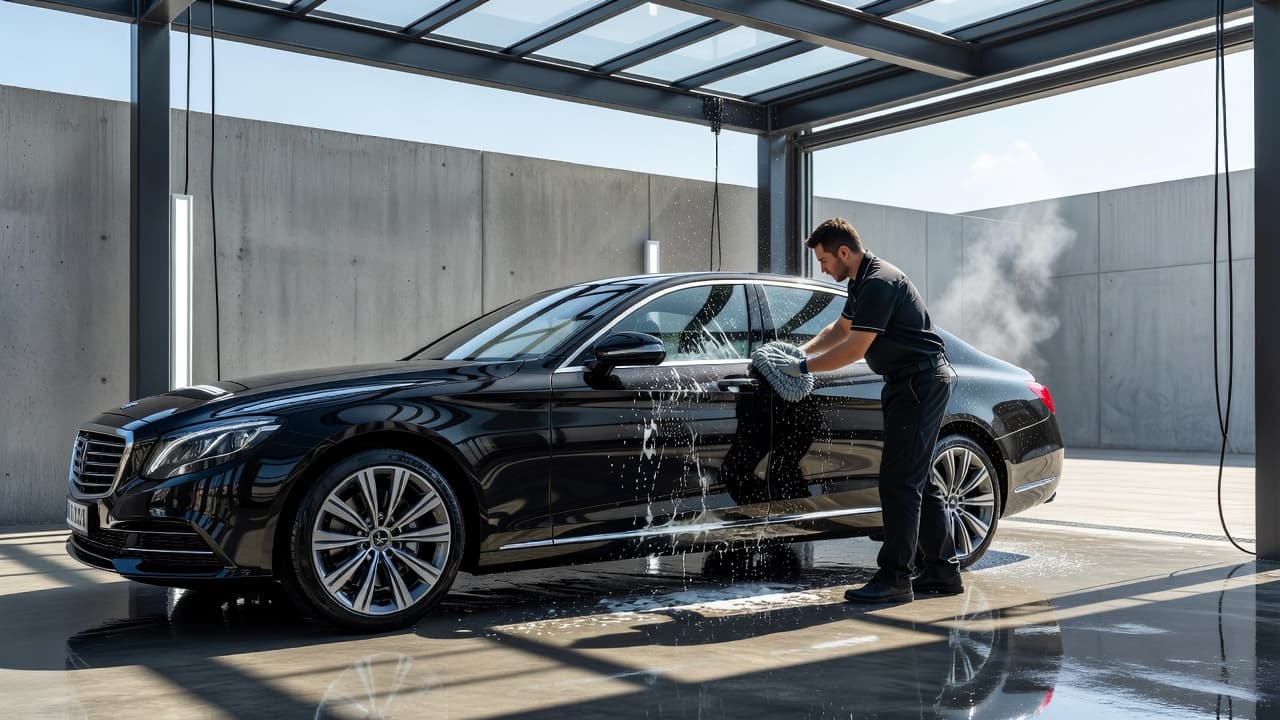
Wash your car in a shaded area during the early morning or late afternoon. A covered detailing bay is also a good option. The panels should feel cool or only slightly warm before you begin.
Avoid washing immediately after driving. Brakes, wheels, and body panels can hold high temperatures. Allow the vehicle to cool first, especially if it has been parked in direct sun.
Work on one section at a time. Rinse the panel, apply car shampoo, rinse again, and dry it before moving to the next area. This keeps dirt and water from drying on the surface.
Summer heat doesn’t mean you should use cold water on extremely hot components. Sudden temperature changes can stress some surfaces, and hot brake parts can react poorly to water. A cool shaded location is the better solution.
How to Wash a Car Safely in Summer
The safest wash uses plenty of clean water, a pH-balanced car shampoo, and soft microfiber materials. The goal is to lift dirt away from the paint instead of dragging it across the surface.
Start with the wheels and tyres. They usually carry brake dust, road grime, and heavier contamination than the body. Use separate brushes and towels for them. Never use a wheel towel on painted panels.
Rinse the vehicle from top to bottom. This loosens loose dust before contact washing. A pressure washer can help, but keep the nozzle at a safe distance and avoid forcing water into seals, sensors, or damaged trim.
Use a clean wash mitt and a bucket with fresh shampoo solution. Move in straight lines with light pressure. Rinse the mitt often so trapped grit doesn’t return to the paint.
After washing, rinse thoroughly and dry with a clean, plush microfiber drying towel. Don’t allow the car to air-dry in strong sun. If your area has hard water, filtered water or professional drying equipment can help reduce mineral spots.
Avoid these common mistakes:
- Washing with dish soap or household detergent
- Using one towel for wheels and body panels
- Wiping heavy dust from dry paint
- Scrubbing stubborn marks with pressure
- Reusing dirty or abrasive towels
- Leaving shampoo to dry on the finish
A professional wash is useful when the vehicle has heavy dust, baked-on insects, difficult wheels, or delicate paint protection. Proper tools and careful technique give a cleaner result with less risk of swirl marks.
Does Wax or Ceramic Protection Change Your Wash Schedule?
Paint protection can make summer maintenance easier, but it doesn’t make washing unnecessary. Wax, sealant, ceramic coating, and paint protection film all benefit from regular cleaning.
A wax may provide a smooth surface that sheds water and helps dirt release more easily. Its durability depends on the product, preparation, driving conditions, and washing method. Harsh detergents and automatic brushes can reduce its performance.
Ceramic coatings create a durable protective layer, but coated cars still collect dust, bugs, and bird droppings. Use the wash products recommended for the coating. Avoid strong chemicals unless the manufacturer or detailer approves them.
Paint protection film also needs careful cleaning. Don’t use aggressive pressure on lifted edges or damaged sections. If a coating or film was recently installed, follow the installer’s curing instructions. Some products require several days before the first wash. These PPF and ceramic coating wash guidelines explain why curing time matters.
Protection changes how easy the car is to clean, not how often it should be cleaned. Continue washing every one to two weeks, then inspect the finish between washes.
Should You Use a Car Wash or Wash at Home?
Both options can work when the method is gentle and the equipment is clean. Home washing gives you control over the products and tools. It also requires suitable shade, water access, drying towels, and time.
A professional car wash is practical when you want a consistent result without exposing the paint to poor technique. A quality service should rinse loose dirt first, use clean equipment, separate wheel tools from body tools, and dry the car carefully.
Choose professional detailing when the vehicle has:
- Dried bird droppings or tree sap
- Heavy insect residue
- Mineral water spots
- Swirl marks or dull paint
- Wax or sealant that needs renewal
- Interior dust and heat buildup
For vehicles used every day, a maintenance wash can be combined with occasional wax and polish services. This keeps the exterior clean while adding extra protection and a more refined finish.
Automatic tunnel washes are convenient, but older brushes may carry grit from previous vehicles. Touchless systems reduce contact but may rely on stronger chemicals. Ask how the vehicle is cleaned before choosing a regular service.
A Practical Summer Car Maintenance Checklist
Use this simple routine throughout the season:
- Wash the exterior every one to two weeks.
- Spot-clean bird droppings, bugs, and sap on the same day.
- Rinse heavy dust before touching the paint.
- Clean wheels with separate tools.
- Dry the car after washing to reduce water spots.
- Check the windscreen, mirrors, lights, and number plate for buildup.
- Inspect door edges, bonnet gaps, and lower panels for trapped dirt.
- Refresh wax or sealant according to the product instructions.
- Check tyre pressure when the tyres are cold.
- Clean the interior regularly because heat and dust collect inside quickly.
A seasonal inspection is also a good time to check wiper blades, washer fluid, air-conditioning performance, and visible tyre wear. Clean glass and lights improve visibility, which is especially useful when glare and dust affect summer driving.
How Often to Wash Car in Summer: Final Recommendation
For most drivers, washing the car every one to two weeks is the right summer routine. Choose weekly washing for daily driving, outdoor parking, desert dust, coastal exposure, or frequent highway travel.
Don’t wait for the next full wash when bird droppings, bugs, tree sap, or hard-water spots appear. Prompt spot-cleaning protects the finish and prevents a small mark from becoming a costly correction job.
Wash in the shade, use clean tools, and dry the vehicle carefully. With consistent care and suitable protection, your car can remain clean, glossy, and well-maintained throughout the hottest months.
Bud Car Wash is open 24 hours. Hand wash, interior detailing, wax and polish at any hour of the day or night in Ras Al Khor Industrial Area 2, Dubai. No appointment needed. See our 24 hour car wash service.

Sammie O is the owner of Bud Car Wash, a 24 hour hand car wash and detailing shop at Shop #7, 44, 22nd Street, Ras Al Khor Industrial Area 2, Dubai. He writes the car care guides on this site based on work done in his own bay.
View All Articles