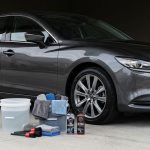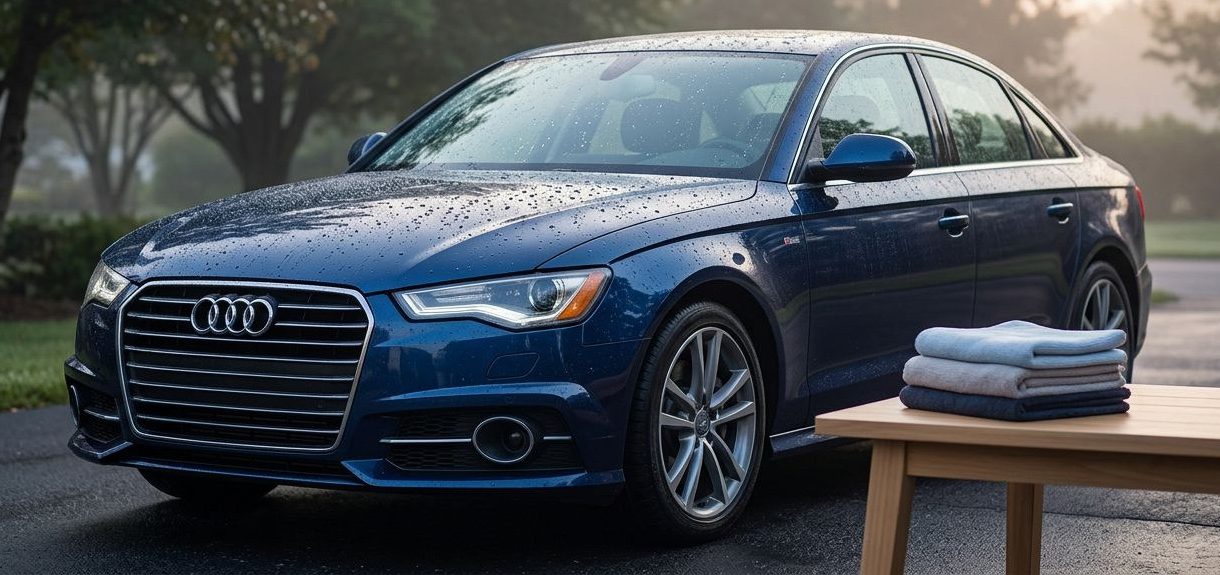

Washing your car at the wrong time can leave streaks, mineral marks, and dried soap across the paint. If you’re searching for the best time to wash car, choose a cool period when the vehicle is out of direct sunlight.
Early morning is usually the safest option. Late afternoon can also work after the panels have cooled. The right timing, proper shade, and careful drying will give you a cleaner finish with less effort.
Key Takeaways
- The best time to wash car is usually early morning, before the sun becomes strong.
- Late afternoon works well once the vehicle’s paint and glass have cooled.
- Avoid washing hot panels in direct sunlight because water and soap dry too quickly.
- Use a pH-neutral car shampoo, clean microfiber towels, and a panel-by-panel method.
- If you must wash in hot weather, work in shade and dry each section immediately.
The best time to wash car is when the paint is cool
Early morning offers the most reliable washing conditions. The air is cooler, the vehicle’s panels haven’t absorbed much heat, and soap has more time to loosen dirt before drying.
A time between 8:00 and 10:00 a.m. is often practical, depending on the season, shade, and local temperature. In Dubai and other hot climates, washing earlier may be necessary during summer. The main test is simple: touch the paint with the back of your hand. If the panel feels hot, wait or move the vehicle into complete shade.

The vehicle should be cool before you apply shampoo. A cool surface slows evaporation, which helps prevent soap marks and uneven drying. It also gives you more time to rinse dirt away safely.
Late afternoon is the second-best choice. Wait until the sun is lower and the car has been parked in shade for at least a short period. Don’t wash immediately after a long drive. The bonnet, roof, wheels, and brakes may still hold significant heat.
Avoid washing too close to sunset if you won’t have enough light to inspect the finish. Poor visibility can leave behind water on mirrors, door handles, trim, and wheels.
Morning or late afternoon, which is better?
Morning is usually better when the vehicle is cool and you can complete the wash before strong sunlight reaches the panels. It also gives you enough daylight to inspect the final finish.
Late afternoon is useful when mornings are busy, but the timing requires more care. The car must cool down first, and you need enough daylight for rinsing and drying.
The most important factor isn’t the clock alone. It is the condition of the vehicle’s surface. A shaded, cool car is easier to wash than a hot car at any time of day.
A cool panel gives you more control. A hot panel turns every rinse into a race against evaporation.
Why direct sunlight creates streaks and water spots
Direct sunlight heats the paint, glass, and metal trim quickly. When water lands on these surfaces, it evaporates before you can rinse or dry it properly. Minerals remain behind, creating visible water spots.
Hard water creates this problem more often. Tap water can contain calcium, magnesium, and other minerals. Once the water dries, those minerals can bond to the surface and leave pale circles or cloudy marks.
Soap can also dry on hot paint. Instead of lifting dirt and rinsing away cleanly, it leaves a film that may require another wash to remove. Strong sunlight makes this worse because it creates different drying speeds across the same panel.
For this reason, avoid:
- Washing a car that has been sitting in the sun.
- Applying shampoo to the entire vehicle before rinsing.
- Letting water sit on glass, black trim, or polished metal.
- Using a dirty towel that spreads mineral residue.
- Washing during strong wind, which carries dust onto wet paint.
Shade is helpful, but it doesn’t solve every problem. A shaded surface can still be hot after hours in warm weather. Allow the car to cool first, then begin with a thorough rinse.
Trees can provide shade, but they may drop sap, pollen, leaves, or bird waste onto the vehicle. A covered parking area or garage is usually a better choice.
How to wash your car and prevent water spots
Good timing reduces the risk of marks, but your washing method matters just as much. Use clean equipment and work in small areas so dirt and water never stay on the surface longer than needed.
1. Rinse the car before touching the paint
Start with a generous rinse using a hose or pressure washer on a moderate setting. Work from the roof downward. This removes loose dust, sand, and road grime before your wash mitt touches the paint.
Don’t hold a pressure washer close to rubber seals, badges, sensors, or damaged paint. A strong jet can push dirt across the surface or loosen an already weak trim piece.
Pay attention to the lower doors, wheel arches, rear bumper, and side skirts. These areas collect heavier grime and need extra rinsing.
2. Use a pH-neutral car shampoo
A dedicated car shampoo is safer for automotive paint than household dish soap. Choose a pH-neutral formula that provides lubrication while lifting dirt.
Prepare two buckets when possible. One bucket holds the shampoo solution, while the other holds clean water for rinsing the mitt. A grit guard can help keep heavier particles at the bottom of the bucket.
Use a separate mitt or brush for the wheels. Brake dust contains abrasive particles that shouldn’t be carried onto painted panels.
3. Wash one panel at a time
Begin with the roof, glass, and upper panels. Move toward the lower sections, which usually carry more dirt. Use straight, overlapping passes with light pressure.
Rinse the mitt often. Don’t scrub harder when dirt remains. Rinse the area again and use fresh shampoo instead.
Work quickly, but don’t rush with heavy pressure. The purpose of the shampoo is to provide lubrication so the mitt can move across the surface with less friction.
4. Rinse before the shampoo dries
Rinse each section after washing it. Don’t wait until the whole vehicle is covered in foam, especially in warm weather.
A final rinse from top to bottom removes remaining shampoo and carries water toward the ground. If your tap water is hard, a filtered or spot-free rinse can reduce mineral deposits.
5. Dry immediately with clean microfiber towels
Air-drying is one of the easiest ways to create water spots. Use a large, clean microfiber drying towel to remove water while the surface is still wet.
Lay the towel flat and gently pull it across the panel. Avoid twisting or pressing hard. Keep separate towels for wheels and lower bodywork.
Open the doors, boot, and fuel flap briefly to release trapped water. Dry the mirrors, door handles, grille, badges, and trim because these areas often drip after the main panels appear dry.
A final inspection in good light helps identify missed water before it dries.
How to wash a car in hot weather or direct sunlight
Sometimes you have no choice. Your vehicle may need cleaning during the afternoon, or your parking area may have limited shade. You can still wash it safely by changing the process.
Park under a carport, in a garage, or beside a building that provides full shade. If no shade is available, use a clean car cover or temporary canopy that allows safe working space. Never place a cover over a wet, dirty car because trapped grit can mark the paint.
Wash one small section at a time. Rinse the panel, apply shampoo, rinse again, and dry it immediately. Keep the remaining vehicle wet when possible, but don’t allow standing water to dry in the sun.
Use smaller amounts of shampoo so there is less residue to remove. Keep your buckets and towels out of direct heat. Hot water inside a bucket can reduce the shampoo’s working time and make the wash less comfortable.
If the bonnet or roof becomes hot, stop and move the vehicle. You can also rinse the panel with cool water, but don’t use ice-cold water on extremely hot glass or metal. A sudden temperature change is not helpful for the surface.
Direct sunlight is not automatically damaging during a careful wash. The risk comes from heat, rapid drying, poor visibility, and mineral-rich water left behind.
Choosing the right washing time for your schedule
Weather conditions should guide your decision as much as your calendar. Check for heat, wind, dust, and rain before preparing your equipment.
| Washing condition | Recommendation | Main reason |
|---|---|---|
| Cool early morning | Ideal | Paint stays cooler and water dries slowly |
| Late afternoon in shade | Good | Panels can cool before washing |
| Midday with strong sun | Avoid | Soap and water dry too quickly |
| Hot, cloudy weather | Use caution | Cloud cover may not mean cool panels |
| Windy or dusty conditions | Avoid when possible | Dust can settle on wet paint |
| Light rain expected soon | Usually postpone | Fresh water may carry dirt and minerals |
Rain after a wash doesn’t always damage the paint, but it can leave fresh spots when the rainwater mixes with dust. If rain is expected soon, postponing the wash may save time.
For vehicles that need a deeper clean, professional service is a practical option. A quality car wash can provide controlled shade, suitable products, dedicated drying towels, and careful attention to wheels, glass, trim, and hard-to-reach areas. Services such as exterior washing, deep interior detailing, wax, and polish also give the vehicle a more complete finish.
Keep your car cleaner between washes
Correct timing makes each wash safer, but a simple maintenance routine keeps the finish looking fresh for longer. Remove bird droppings, tree sap, and insect residue as soon as possible with a suitable detail spray and clean microfiber cloth.
Don’t wipe dry dust from the paint with a dry towel. Rinse the area first. Dry wiping can drag fine grit across the clear coat and create light scratches.
Apply a wax or paint sealant after the surface is clean and dry. These products can make future washing easier by helping water and dirt release from the paint. They don’t replace proper washing, but they add a useful layer of protection.
A regular professional wash can also help when the car has built-up road film, brake dust, or contamination that a quick home wash won’t remove safely.
Conclusion
The best time to wash car is early morning, when the panels are cool and the sun is still mild. Late afternoon is also suitable once the vehicle has cooled fully and you have enough daylight to dry every area.
Avoid hot paint, strong direct sunlight, wind, and washing products that dry before you can rinse them. With shade, a pH-neutral shampoo, clean microfiber towels, and immediate drying, you can maintain a clean finish without streaks or water spots.
Bud Car Wash is open 24 hours. Hand wash, interior detailing, wax and polish at any hour of the day or night in Ras Al Khor Industrial Area 2, Dubai. No appointment needed. See our 24 hour car wash service.

Sammie O is the owner of Bud Car Wash, a 24 hour hand car wash and detailing shop at Shop #7, 44, 22nd Street, Ras Al Khor Industrial Area 2, Dubai. He writes the car care guides on this site based on work done in his own bay.
View All Articles