
Last updated 6 August 2026 by Sammie O, owner of Bud Car Wash in Ras Al Khor Industrial Area 2, Dubai.
Sand, dust, food crumbs, and Dubai’s heat can make a clean car feel tired within days. Good car interior cleaning is not only about appearance. It helps protect upholstery, reduce odors, and make daily driving more comfortable.
The safest results come from using the right method for each surface. Cloth, leather, vinyl, plastic, screens, and carpet all need different levels of moisture and pressure. Start with routine care, then use a careful deep-cleaning process when stains or smells remain.
The first step is deciding how much cleaning your vehicle actually needs.
Want us to do it instead?
We do interior detailing at our Ras Al Khor bay, 24 hours a day. Fill this in and we reply with a price and a time. The message writes itself, so you only tap send.
Would rather talk? Call +971 55 168 5050. Someone answers 24 hours.
Car Interior Cleaning: Routine Maintenance or Deep Cleaning?
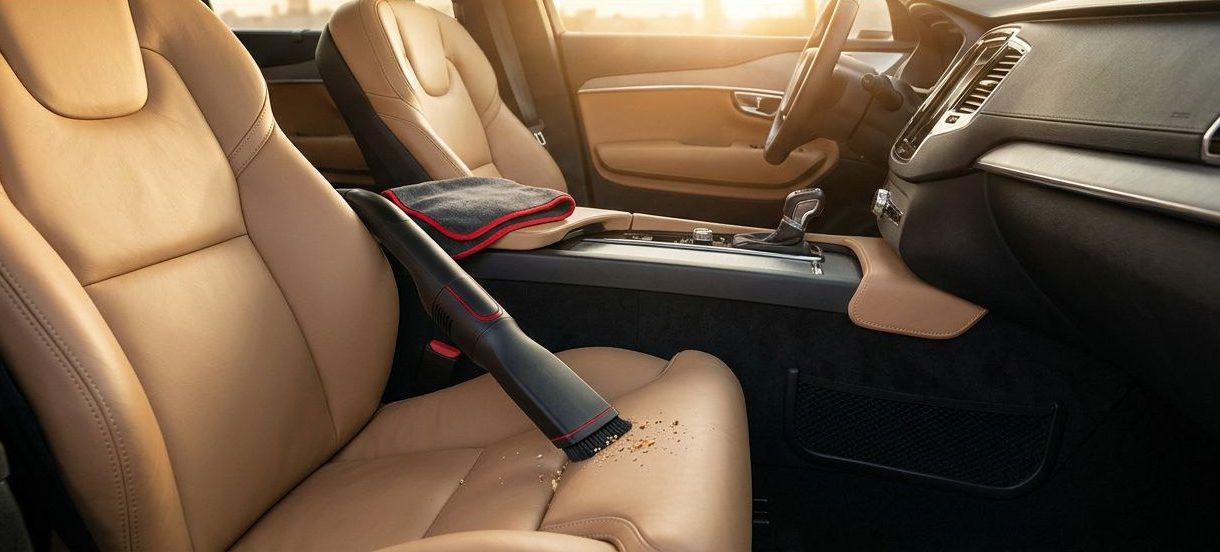
Routine car interior cleaning keeps small problems from becoming difficult stains. It usually includes removing rubbish, shaking out floor mats, vacuuming the seats and carpet, wiping the dashboard, and cleaning fingerprints from high-touch areas.
For most daily-use vehicles, a short cleaning every one or two weeks helps control dust and crumbs. Pay extra attention to the steering wheel, gear selector, door handles, cup holders, and areas beside the seats. These surfaces collect skin oils and dust faster than the rest of the cabin.
Deep cleaning is more thorough. It may include fabric stain treatment, carpet extraction, leather conditioning, detailed work around seat rails, and odor treatment. A deep service is useful after a drink spill, a long road trip, pet travel, or months without proper interior care.
The package name doesn’t always tell you what is included. Ask whether the service covers the boot, floor mats, headliner, seat belts, leather treatment, and drying time. A reliable car wash will also identify surfaces that need special care instead of using one product everywhere.
Prepare the Car Before You Start
Work in a cool, shaded area with the engine switched off. Edmunds’ interior detailing basics also recommends cleaning in a cool, shady place. Direct sun can dry products too quickly and leave marks on hot plastic or glass.
Remove personal items, rubbish, child seats, and floor mats. Check under the seats and inside door pockets before vacuuming. You don’t want coins, cables, or small objects blocking the vacuum nozzle.
Keep these supplies nearby:
- A vacuum with a crevice tool and soft brush attachment.
- Several clean microfiber cloths, separated by task.
- A soft interior brush for vents, seams, and textured plastic.
- A pH-neutral cleaner suitable for the material you are treating.
- A fabric cleaner for cloth seats and carpet.
- Leather cleaner and conditioner for genuine or coated leather.
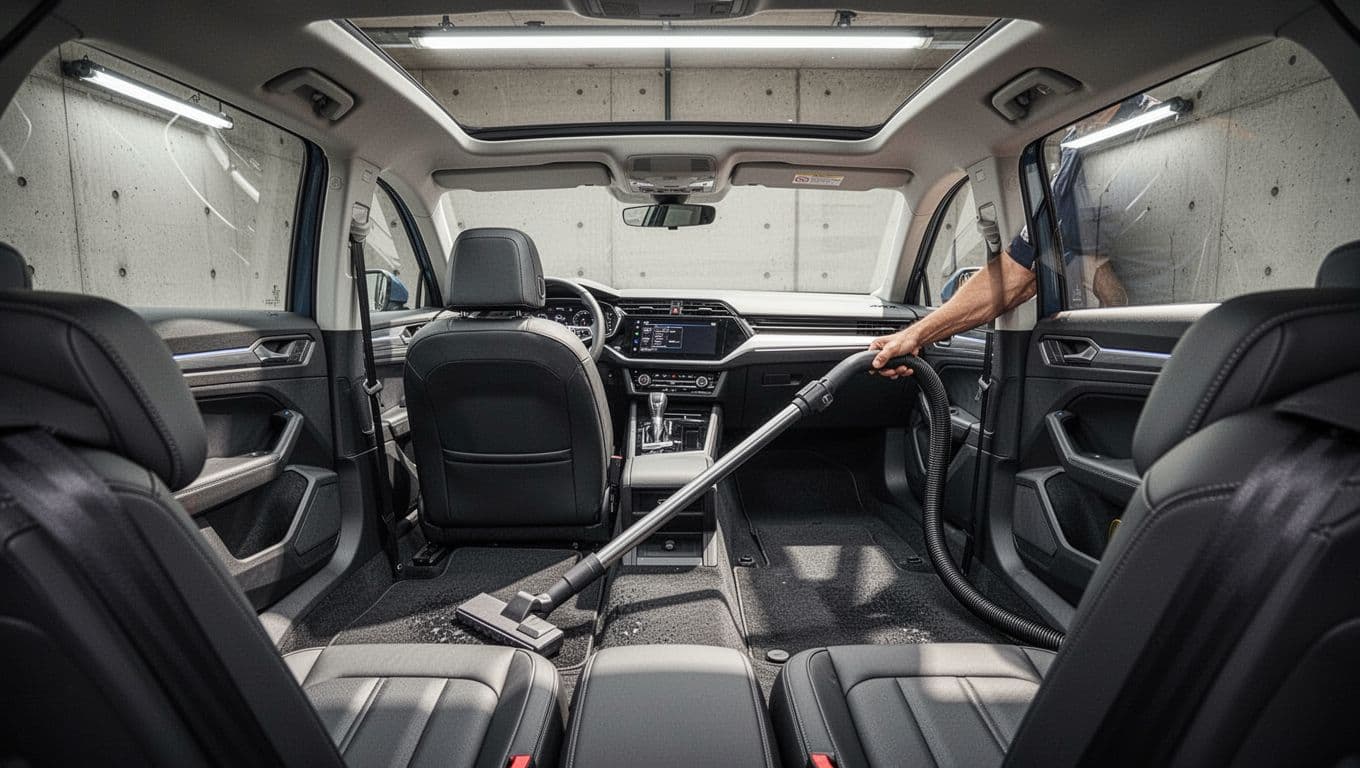
Work from the top of the cabin down. Dust the dashboard, vents, and door panels first. Then vacuum the seats, gaps, mats, and carpet so loosened dirt doesn’t settle on a freshly wiped surface. The Car and Driver interior cleaning guide also places floor mats and vacuuming near the beginning of the process.
Safe Cleaning Methods for Every Interior Material
Different materials react differently to water, heat, and chemicals. Always test a product on a hidden area first, especially in an older vehicle or a car with dyed leather.
Cloth seats and fabric upholstery
Begin with thorough vacuuming. Use the soft brush attachment on seat seams and avoid pressing the nozzle hard against delicate fabric. Dirt trapped in the weave can act like fine grit and wear the surface over time.
For a fresh spill, blot with a dry microfiber cloth. Don’t rub in circles, as this can push the liquid deeper into the foam. Apply a small amount of fabric cleaner to the cloth or brush, then work gently from the outside of the stain toward the center.
Avoid soaking cloth seats. Excess water can remain inside the foam and create a musty smell. Open the doors and windows after cleaning, and allow the upholstery to dry fully before using the vehicle.
Leather seats and trim
Leather needs cleaning and conditioning, but too much product can leave the surface greasy. Vacuum loose dirt first, then apply a leather-safe cleaner to a microfiber cloth. Wipe a small section at a time and use a soft brush for stitching and perforations.
Choose products made for automotive leather. Household soap, strong degreasers, alcohol-based solutions, and rough scrubbing can remove protective coatings or change the finish. After the surface dries, apply a light layer of leather conditioner if the product instructions recommend it.
Don’t ignore the steering wheel. Oils from your hands build up quickly, but the wheel must not become slippery. Remove excess conditioner with a clean, dry cloth.

Vinyl, plastic, and dashboard surfaces
Use a damp microfiber cloth for light dust and fingerprints. For heavier marks, apply an interior-safe cleaner to the cloth rather than spraying the dashboard directly. A soft brush can loosen dirt around buttons, vents, and textured panels.
Avoid products that leave a glossy, oily finish. They can create glare on the dashboard and make the steering wheel or pedals slippery. Never use abrasive pads on clear plastic instrument covers.
Screens need extra care. Turn the display off, remove loose dust with a dry microfiber cloth, and wipe gently in straight passes. If more cleaning is needed, slightly dampen the cloth with a screen-safe solution.
Never spray cleaner directly onto a screen, switch, air vent, or control panel. Put a small amount on the cloth instead.
Don’t use ammonia-based glass cleaner on touchscreens or interior plastics. Keep liquid away from seams, speakers, USB ports, and electronic controls.
Carpet, floor mats, and the headliner
Take rubber mats outside and rinse them separately if their material allows it. Use a suitable rubber or plastic cleaner, scrub the tread with a soft brush, and let the mats dry before returning them to the vehicle.
For carpet mats and cabin carpet, vacuum slowly in several directions. Treat spots with a small amount of upholstery cleaner and blot with a clean towel. Carpet extraction can remove more embedded dirt, but the area must dry properly afterward.
The headliner needs very little moisture. Spray cleaner onto a cloth, not overhead, and wipe lightly in small sections. Heavy scrubbing or soaking can loosen the fabric and damage the adhesive beneath it.
How to Remove Common Stains and Odors
Fast action makes stain removal easier. The longer coffee, juice, grease, or milk remains in the material, the more likely it is to leave both a mark and an odor.
- Coffee and soft drinks: Blot the liquid first, then use a fabric-safe cleaner. Repeat with small amounts instead of flooding the seat or carpet.
- Grease and oily marks: Lift loose residue with a dry cloth before using a cleaner designed for the material. Strong kitchen degreasers can damage automotive surfaces.
- Ink: Avoid rubbing, as the color can spread quickly. Use only a product approved for the specific upholstery, and send persistent marks to a professional detailer.
- Food, milk, and pet accidents: Remove solid residue, clean the affected area thoroughly, and dry it completely. An upholstery-safe enzyme cleaner can help with organic odors when its instructions allow it.
Perfume and air fresheners only cover odors for a short time. The smell usually returns because the source remains in the carpet, seat foam, floor mats, or air vents. Clean the affected area, leave the cabin open to dry, and check the cabin air filter if the odor continues.
Don’t scatter powder into vents, seat tracks, or electrical areas. It can be difficult to remove and may create a second cleaning problem.
What to Expect from a Professional Interior Car Wash
A professional interior service should begin with an inspection. The technician checks the upholstery type, stain condition, electronic controls, and areas that need extra attention. This helps prevent the wrong chemical or too much moisture from being used.
A complete service may include vacuuming, crevice cleaning, fabric spot treatment, carpet extraction, plastic and vinyl cleaning, leather care, and odor treatment. Some providers also clean the boot, floor mats, seat rails, and storage compartments.
Ask how the vehicle will be dried after wet cleaning. A clean cabin that remains damp can develop a musty smell. You should also confirm whether the service includes stain removal or only general wiping and vacuuming.
Bud Car Wash provides deep interior detailing for vehicle owners who want a more thorough result at home. Professional equipment and suitable products can reach areas that are easy to miss during a quick home clean, while careful workmanship helps protect the cabin’s original finish.
Conclusion
Effective car interior cleaning starts with the right order and the right product for each surface. Vacuum before wiping, blot stains instead of scrubbing them deeper, use limited moisture, and give every wet area enough time to dry.
Routine maintenance keeps dust, crumbs, and fingerprints under control. Deep interior detailing handles embedded dirt, stubborn stains, and lingering odors with more complete treatment. When your vehicle needs a cleaner, fresher cabin without risking damage, professional interior care is a dependable choice.
Get a price on interior detailing
Shop #7, 44, 22nd Street, Ras Al Khor Industrial Area 2, open 24 hours. Tell us the car and we reply with a price and a time.
Would rather talk? Call +971 55 168 5050. Someone answers 24 hours.
See us first on Google
Google lets you choose the sites you want to see more of. Add Bud Car Wash as a preferred source and our car care guides show up more often in Top Stories and in Google’s AI answers.
Opens Google in a new tab. You can remove us again at any time.

Sammie O is the owner of Bud Car Wash, a 24 hour hand car wash and detailing shop at Shop #7, 44, 22nd Street, Ras Al Khor Industrial Area 2, Dubai. He writes the car care guides on this site based on work done in his own bay.
View All Articles