
Last updated 19 October 2026 by Sammie O, owner of Bud Car Wash in Ras Al Khor Industrial Area 2, Dubai.
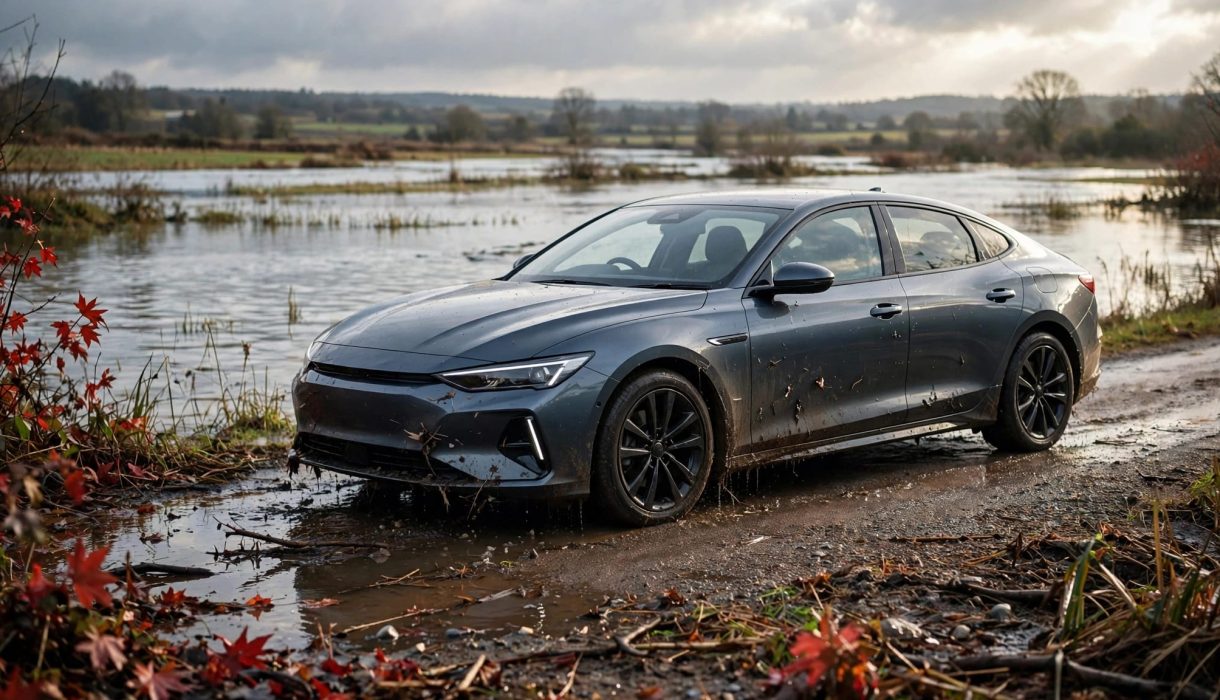
Floodwater can leave damage that isn’t visible once your car reaches dry pavement. If you’ve been driving through floodwater, put occupant safety first, then arrange a professional inspection if water may have reached the engine, transmission, brakes, or electrical systems.
A car that starts and moves normally isn’t automatically safe. These practical checks can help you respond, but a visual review can’t confirm that critical parts are undamaged.
Want us to do it instead?
We do manual car wash at our Ras Al Khor bay, 24 hours a day. Fill this in and we reply with a price and a time. The message writes itself, so you only tap send.
Would rather talk? Call +971 55 168 5050. Someone answers 24 hours.
Key Takeaways
- Pull over somewhere safe and get passengers away from moving traffic.
- If the engine stalled in water, don’t restart it. Arrange a tow.
- Look for visible water, mud, debris, or dampness, but don’t treat a clean exterior as proof of safety.
- Have the vehicle professionally inspected if water may have reached essential mechanical or electrical systems.
- Don’t continue a road trip in a vehicle with possible flood damage until a qualified professional has assessed it.
Stop Safely and Protect Everyone in the Car
Once you’re out of floodwater, focus on your passengers before the vehicle. Stop in a safe place away from traffic, and don’t pull over somewhere that leaves you exposed to moving water or another road hazard. If your location isn’t safe, move only as far as needed to reach a safer spot.
Turn on your hazard lights if the car is stopped where other drivers need to see it. Keep passengers clear of traffic, and call local emergency services if anyone is injured or you can’t reach a safe location.
If the engine stalled, don’t restart it
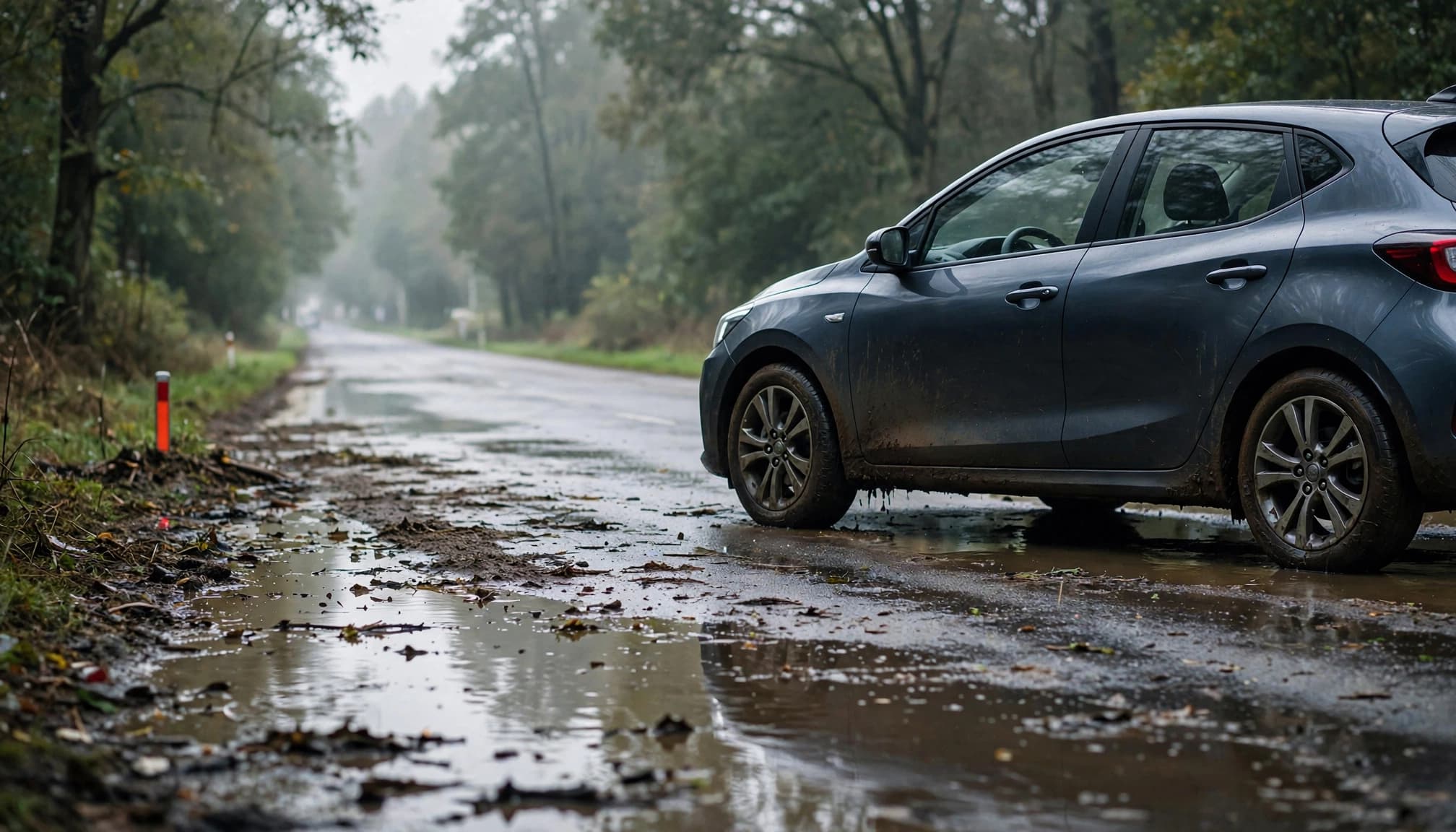
A stalled engine after water exposure needs a tow, not another attempt to start it. Water in the engine can cause serious damage when the engine turns over. AAA advises drivers not to restart a vehicle that stalls in floodwater because doing so can cause permanent engine damage. AAA’s guidance on a stalled car is clear: leave the engine off.
Don’t try to drive the car to a nearby garage. Arrange professional towing and explain that it stalled in floodwater, so the vehicle can be handled with the exposure in mind.
If the car is still running
A running engine doesn’t confirm that the vehicle is safe. Avoid continuing your journey if water may have reached important components or you notice unusual sounds, warning lights, or changes in handling. Pull over safely and arrange an inspection rather than relying on the car’s ability to move.
Look for Signs of Water Contact
A brief visual check can help you describe what happened to a towing service or mechanic. It cannot determine whether the vehicle is safe to drive, so keep the engine off if there are signs of possible damage.
Check the exterior without getting under the car
From a safe position, look for mud, leaves, or other debris caught around the wheels, bodywork, or lower edges of the car. Notice whether the tires and lower body are wet or marked by a visible waterline. These details can help explain how the vehicle was exposed.
Don’t crawl beneath the car or reach into engine components. If you see substantial debris or damage, leave it for a professional to assess. The goal is to report what you can see, not to clear or repair the vehicle yourself.
Notice dampness inside
Check for wet floor mats, damp carpets, water on seat surfaces, or a musty smell. These observations can indicate that water entered the cabin, but a dry-looking interior doesn’t rule out exposure elsewhere.
If the car has been parked in a safe location, take a few photos of visible mud or water marks for your records. Avoid switching the ignition on to test lights or accessories. Electrical systems can be affected even when the cabin appears dry.
Pay Attention to Changes in How the Car Behaves
If you already moved the car out of danger, take note of anything unusual. Do not continue driving to see whether a symptom gets worse. A new warning light or change in the way the vehicle responds is a reason to stop safely and arrange professional help.
Engine or transmission concerns
A stall, rough running, unusual noise, or warning light after flood exposure needs professional attention. Don’t repeatedly start the engine to see whether the issue clears. If the car stalled in water, keep it off and have it towed.
Water exposure can affect the transmission as well as the engine. A vehicle that moves under its own power may still need inspection before it can be driven safely.
Brake, electrical, or airbag warnings
Pay attention to changes in braking, electrical warnings, or an airbag warning light. Floodwater can affect brakes, electronics, and airbags, according to KBB’s guidance on flood-damaged vehicles. Don’t assume the systems are working properly because the car starts or the warning lights aren’t on.
If braking feels different, the car responds unpredictably, or an important warning appears, stop in a safe place. Arrange a tow rather than driving farther.
A Visual Check Cannot Confirm the Car Is Safe
Floodwater may affect components that aren’t visible from outside the car or inside the cabin. A quick look can show obvious mud or dampness, but it can’t confirm the condition of the engine, transmission, brakes, or electrical systems.
The National Highway Traffic Safety Administration’s flood-damage guidance notes that, after floodwaters recede, owners may need to assess whether a vehicle can be used again. That decision isn’t made by checking whether the car starts. A professional needs to assess areas that may have been exposed.
Don’t use a clean appearance as a safety test
A car can look clean and still need inspection. Water and debris can reach components without leaving an obvious mark on the body or upholstery. Likewise, a wet carpet is a reason to report possible cabin exposure, not a full measure of damage.
Avoid driving the vehicle based on appearance alone. When you’re unsure whether water reached an essential system, choose towing and professional inspection over a test drive.
Keep the details of the incident
Write down where and when the vehicle entered the water, whether the engine stalled, and what warnings or changes you noticed. Share those details with the towing service and the mechanic. A clear account can help them decide what areas to assess.
Photos of visible water marks or debris may also help document the condition. Keep them for your records and avoid making adjustments to the car before it has been assessed.
Arrange a Tow and Professional Inspection
If flooding may have reached the engine, transmission, brakes, or electrical systems, don’t drive the vehicle to a repair shop. Arrange a tow and tell the service provider that the car was exposed to floodwater. If the engine stalled, make that detail clear before the vehicle is moved.
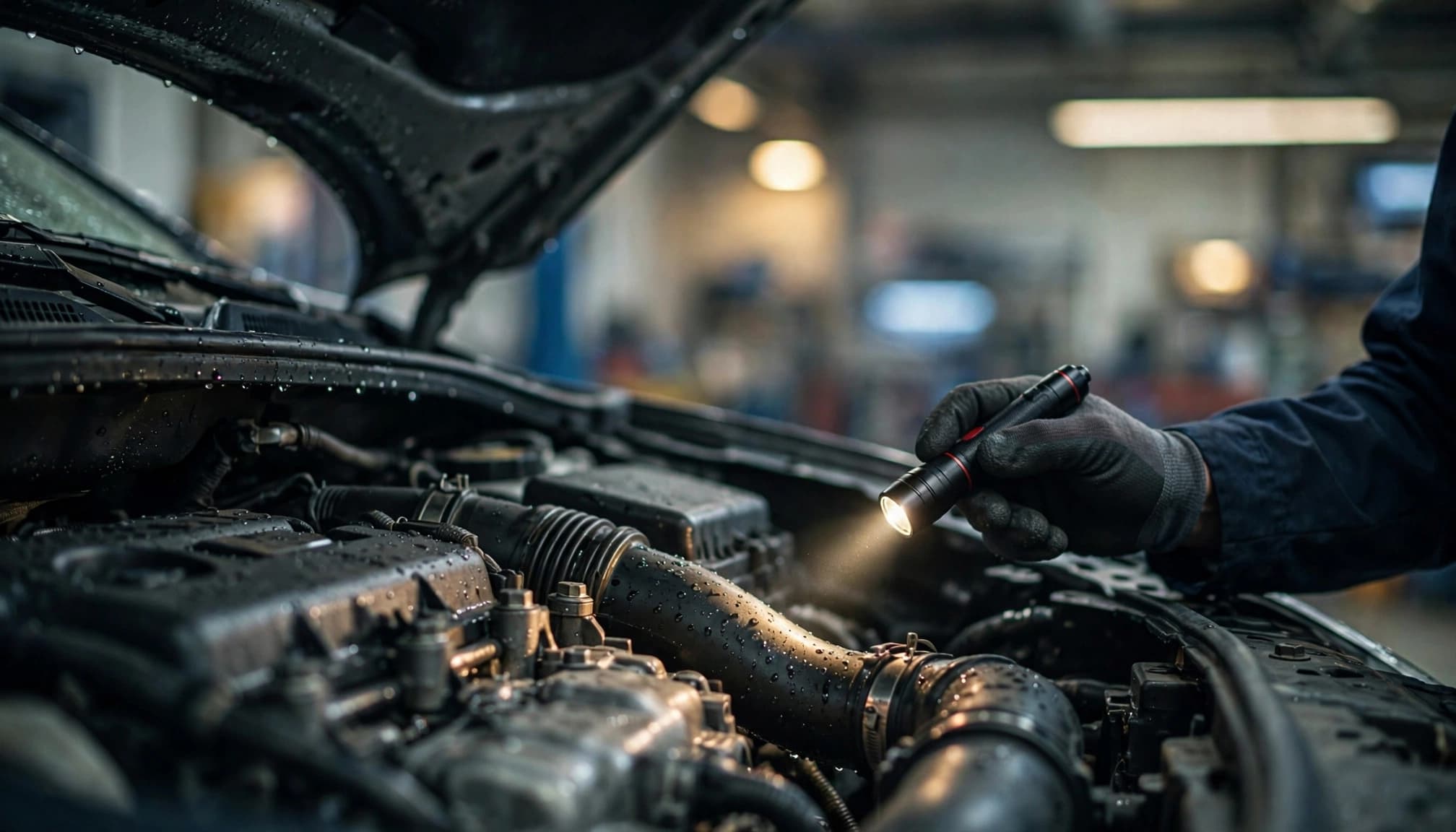
A qualified mechanic can assess areas that a driver can’t safely inspect from the roadside. Ask for the inspection to cover the systems that may have been exposed, including the engine, transmission, brakes, and electrical components. Don’t treat a basic wash, drying, or visible cleanup as a substitute for that assessment.
Wait for a clear decision before driving again
Keep the car parked until a qualified professional has inspected it and told you whether it’s safe to drive. If repairs or further checks are needed, follow that advice before returning the vehicle to the road.
NHTSA notes that flood-damaged vehicles may not be usable again. A mechanic’s assessment helps clarify the condition of your vehicle and the next step. Don’t rely on a short trip around the block to test it.
Make a Safe Plan for the Rest of Your Trip
If you’re away from home, protect your passengers and arrange another way to continue the journey while the car is assessed. Don’t let a hotel booking, train connection, or planned stop push you into driving a vehicle that may be unsafe.
Contact your roadside assistance provider or a local towing service to arrange transport. Keep personal items with you if you can collect them without entering an unsafe area or operating the car. Share the vehicle’s location and the fact that it encountered floodwater.
For future drives through unfamiliar places, plan stops and transport options before you set out. Our Anniston travel guide for drivers includes practical travel information for visitors arriving by road. Leaving room in your schedule can make it easier to respond safely when weather changes your plans.
Frequently Asked Questions
Can I drive my car if it seems normal after floodwater?
A normal start or a short drive doesn’t prove that the car is safe. If water may have reached the engine, transmission, brakes, or electrical systems, arrange towing and professional inspection before driving again.
What should I do if my engine stalled in water?
Keep the engine off. Don’t try to restart the car, even if it has reached dry pavement. Arrange a tow and tell the mechanic that the engine stalled during water exposure.
Can I check the car myself before calling a mechanic?
You can note visible mud, debris, damp carpets, water marks, and warning lights. Those observations can help describe the incident, but they can’t confirm whether critical parts are safe. Don’t crawl under the vehicle or switch it on to test it.
Is a dry interior proof that the car is undamaged?
No. A dry cabin doesn’t establish that water stayed away from the engine, transmission, brakes, or electrical components. If you don’t know whether those systems were exposed, have the vehicle professionally inspected.
Keep the Car Parked Until It’s Assessed
Getting out of the water is only the first step. Protect passengers, keep a stalled engine off, and look for visible signs of exposure without treating them as a safety test.
If floodwater may have reached a critical system, arrange towing and professional inspection before driving again. A careful decision now is safer than relying on how the car looks or sounds.
Get a price on manual car wash
Shop #7, 44, 22nd Street, Ras Al Khor Industrial Area 2, open 24 hours. Tell us the car and we reply with a price and a time.
Would rather talk? Call +971 55 168 5050. Someone answers 24 hours.
See us first on Google
Google lets you choose the sites you want to see more of. Add Bud Car Wash as a preferred source and our car care guides show up more often in Top Stories and in Google’s AI answers.
Opens Google in a new tab. You can remove us again at any time.

Sammie O is the owner of Bud Car Wash, a 24 hour hand car wash and detailing shop at Shop #7, 44, 22nd Street, Ras Al Khor Industrial Area 2, Dubai. He writes the car care guides on this site based on work done in his own bay.
View All Articles