
Last updated 20 October 2026 by Sammie O, owner of Bud Car Wash in Ras Al Khor Industrial Area 2, Dubai.
A car losing coolant without leaving a puddle can still have a problem that needs attention. Coolant may be escaping somewhere you can’t see, or the loss may be linked to an internal fault.
A dry driveway doesn’t prove the cooling system is healthy. Track the coolant level, watch for overheating signs, and arrange an inspection if the level keeps dropping. Here’s how to understand the clues and protect your car before a long drive.
Want us to do it instead?
We do lubrication and fluid services at our Ras Al Khor bay, 24 hours a day. Fill this in and we reply with a price and a time. The message writes itself, so you only tap send.
Would rather talk? Call +971 55 168 5050. Someone answers 24 hours.
Key Takeaways
- Repeated coolant loss is not normal, even when there’s no visible puddle.
- A falling level can have more than one explanation, and symptoms alone rarely identify the exact cause.
- White exhaust smoke, contaminated oil, or overheating can point to a serious issue. They don’t confirm a head-gasket failure on their own.
- If the temperature rises, steam appears, or the engine loses power, pull over safely and stop driving.
- Never open a radiator cap while the engine is hot.
Car Losing Coolant: What a Dry Driveway Means
A puddle is a clear warning, but it isn’t the only sign of coolant loss. AAA Club Alliance describes coolant beneath the engine compartment as the clearest visible sign of a leak. When that sign is absent, it tells you only that coolant hasn’t collected on the ground where you parked.
The level matters more than one inspection
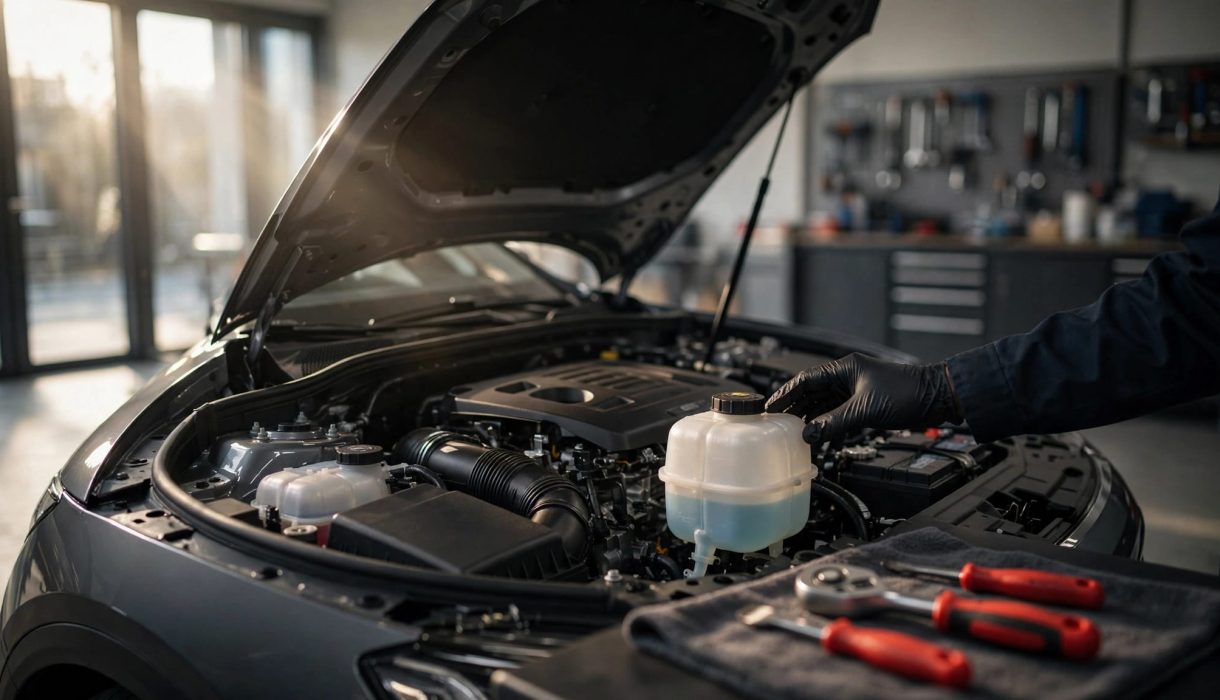
Check the coolant level when the engine is fully cool and the car is parked on level ground. Use the markings on the reservoir and follow the vehicle manual. Comparing readings under similar conditions makes changes easier to notice.
If the level falls again after you top it up with the correct coolant, treat that as a continuing problem. A single reading can be misleading if the engine is hot or the car is on a slope. Repeated readings give you a clearer pattern.
Don’t judge the issue by the parking spot
Coolant can leave the system without forming a visible pool where the car is parked. The fluid may not reach the ground, or it may be involved in an internal problem. Those are different possibilities, and a lack of puddles doesn’t distinguish between them.
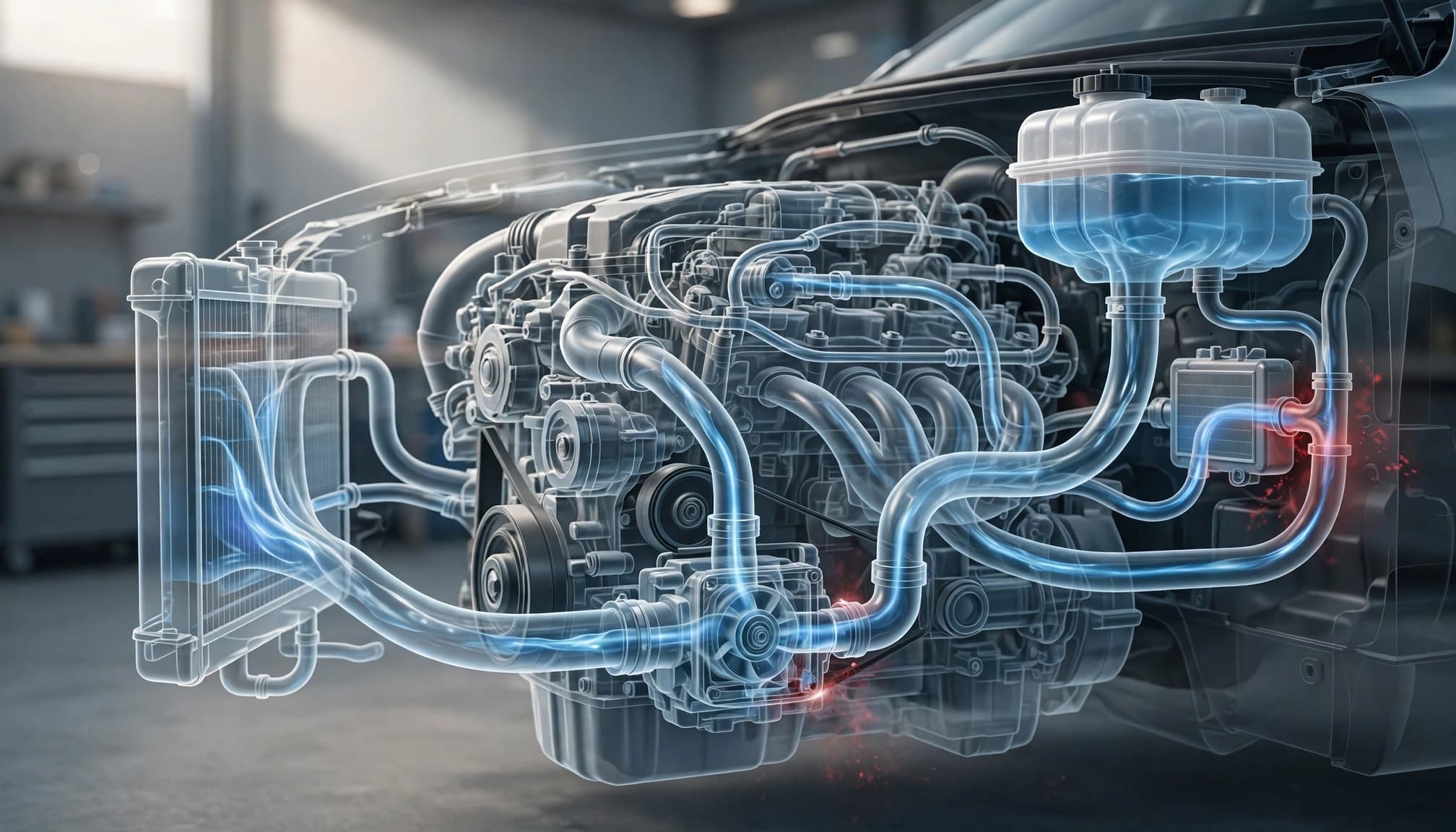
A visual check can help you describe what’s happening, but it can’t identify every source of coolant loss. If the level keeps dropping, arrange a professional cooling-system inspection rather than relying on the absence of a leak on the ground.
Possible Reasons Coolant Disappears
The broad possibilities are an external leak that isn’t obvious during a quick check, or coolant loss linked to an internal fault. The symptoms can overlap, so avoid treating one sign as a diagnosis.
An external leak may not be easy to spot
A quick look under the car won’t show every cooling-system problem. A leak can be difficult to locate without a closer inspection, and the absence of a puddle doesn’t rule it out. A technician can assess the cooling system and determine whether coolant is escaping externally.
An internal fault is another possibility
Coolant loss can occur with a head-gasket problem, but that isn’t the only explanation. CRC Industries lists overheating, white exhaust smoke, contaminated oil, and coolant loss among possible blown head-gasket symptoms. These signs can help guide an inspection, but they don’t prove that the gasket has failed.
If you notice more than one symptom, share the full pattern with the repair professional. The coolant level, exhaust appearance, oil condition, and temperature behavior can all help narrow down what needs attention.
Signs That Help Narrow Down the Problem
Look for changes beyond the coolant reservoir. A combination of symptoms gives a more useful picture than a single clue, especially if the loss happens over several drives.
Watch the temperature, smell, and sound
An illuminated temperature gauge, burning smell, or unusual thumping or ticking sounds can accompany an overheating engine. AAA’s overview of car overheating causes and warning signs describes these signs along with coolant under the vehicle.
Pay attention to when the warning appears. Note whether the temperature rises during slow traffic, after a long drive, or soon after starting the car. That information can help a technician assess the problem.
Check for exhaust and oil changes
White smoke from the exhaust or oil that looks contaminated can occur with a head-gasket problem. These clues deserve prompt attention, particularly alongside a dropping coolant level, but they’re not enough to identify the fault by themselves.
Avoid trying to confirm a diagnosis by driving until the symptoms become more obvious. Continued overheating can cause further engine damage. Get the vehicle inspected when coolant loss is paired with warning signs.
How to Monitor Coolant Safely
A simple record can show whether the level is stable or continuing to fall. It also gives a repair professional useful details without requiring you to diagnose the system yourself.
Check only when the engine is cool
Hot coolant is under pressure and can cause serious burns. Wait until the engine has cooled fully before checking the reservoir, and never remove a radiator cap while the engine is hot. Follow the owner’s manual for the correct coolant type and filling instructions.
Keep the car on level ground and use the same method each time. If the reservoir has minimum and maximum marks, note whether the level sits within that range. Don’t mix coolant types unless the vehicle manufacturer says they’re compatible.
Record the pattern
Write down the date, odometer reading, coolant level, and any symptoms. Include whether you added coolant and how much, if known. This record helps distinguish an occasional change from a repeated drop.
If you need to add coolant more than once, don’t treat topping up as a repair. A continuing loss needs a proper assessment, even if the car still starts and drives normally.
When to Stop Driving
Coolant loss becomes an immediate safety concern when the engine starts to overheat. Driving while the temperature is high can turn a manageable repair into serious engine damage.
Pull over if warning signs appear
If the temperature gauge rises, steam appears, you smell something hot, or the engine loses power, find a safe place to stop. Turn off the engine and don’t continue the trip while the warning remains. Oregon AAA lists steam, unusual engine sounds, a hot smell, and loss of power among overheating signs in its advice on what to do if your car overheats.
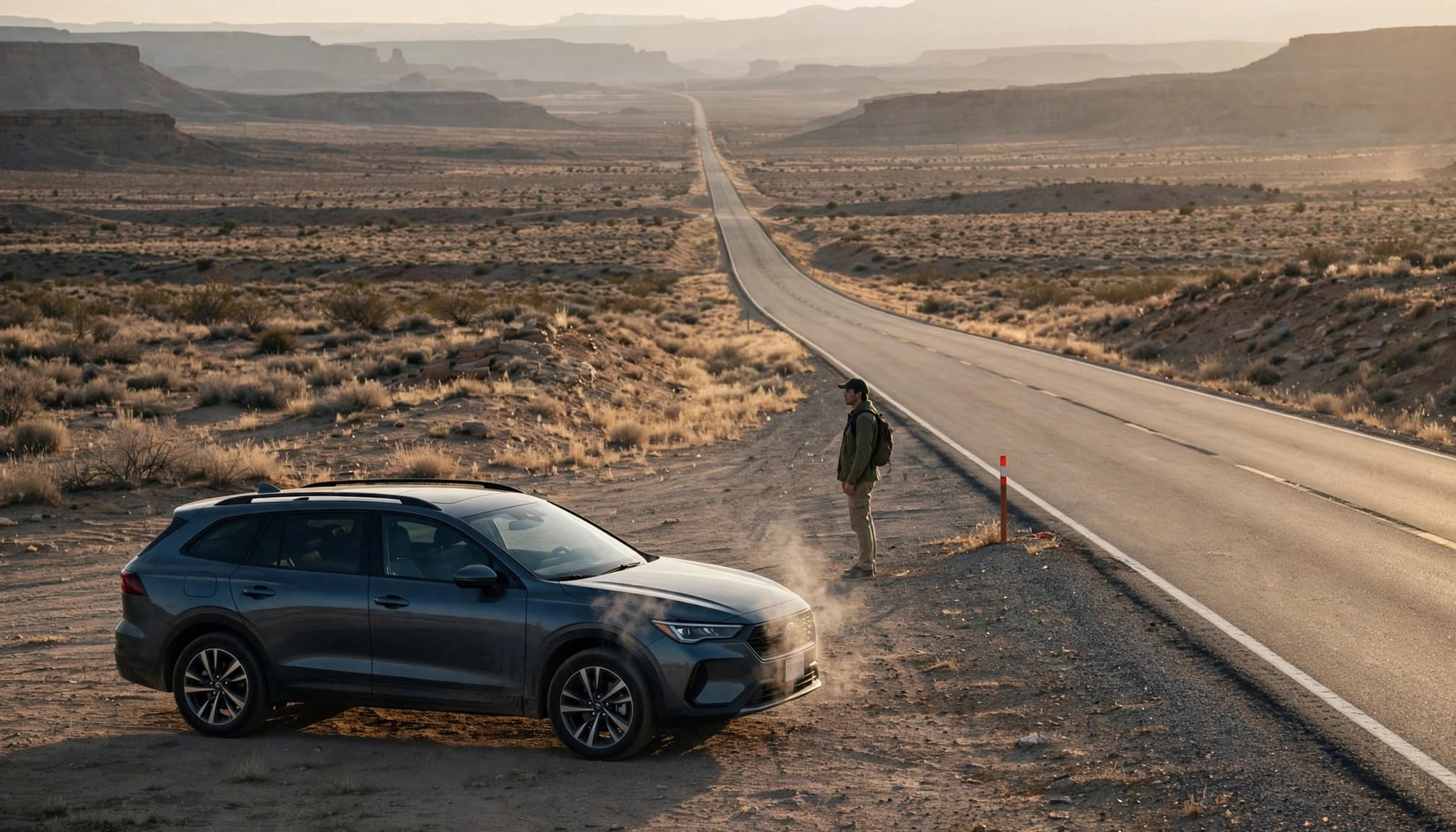
Let the engine cool before checking anything
Don’t open the cooling system while the engine is hot. Once the car is safely stopped, arrange roadside assistance if the temperature warning stays on, steam continues, or the engine doesn’t run normally. A short delay is safer than continuing with an overheating engine.
What a Professional Inspection Can Clarify
A mechanic can inspect the cooling system for signs of external leakage and assess whether the symptoms point to an internal fault. That matters because a falling reservoir level doesn’t identify the source, and some signs can fit more than one problem.
Describe what you’ve seen rather than guessing at the cause. Share how quickly the level changes, whether the temperature rises, and whether you’ve noticed smoke, unusual smells, or changes in the oil. Bring your coolant-level notes if you’ve kept them.
If overheating or repeated coolant loss is present, avoid a long drive until the car has been assessed. A wash or visual check of the exterior won’t resolve a mechanical cooling-system issue. The right inspection helps identify the source and the next repair.
Before a Long Drive
Check the coolant level while the engine is cold before setting off, especially if it has dropped recently. Look at the temperature gauge during the drive and stop somewhere safe if it rises. Pack the owner’s manual and know how to contact roadside assistance along your route.
Don’t start a trip with a coolant level that keeps falling or an unresolved overheating warning. If you’re planning a rural route, knowing where services are located can also prevent a stressful detour. These tips for avoiding wasted detours on rural drives can help with planning practical stops.
Frequently Asked Questions
Can I keep driving if the coolant level is low?
A low level needs attention, even if the car appears to run normally. If the temperature rises, steam appears, or the engine loses power, pull over safely and stop driving. Don’t open the cooling system while it’s hot.
Can coolant disappear without a visible leak?
Yes. No puddle doesn’t rule out coolant loss. The fluid may not collect beneath the parked vehicle, or the problem may involve an internal fault. An inspection is needed to identify the cause.
Does white smoke mean the head gasket has failed?
No single symptom confirms a head-gasket failure. White exhaust smoke can be one possible sign, especially alongside coolant loss, overheating, or contaminated oil. A professional diagnosis is needed before deciding what repair is required.
Keep Coolant Loss From Becoming a Breakdown
A clean parking spot doesn’t guarantee that the cooling system is working properly. Watch the level, record repeated changes, and take overheating signs seriously.
If your car keeps losing coolant, arrange an inspection before the next long drive. Finding the cause early can help protect the engine and keep your journey safer.
Get a price on lubrication and fluid services
Shop #7, 44, 22nd Street, Ras Al Khor Industrial Area 2, open 24 hours. Tell us the car and we reply with a price and a time.
Would rather talk? Call +971 55 168 5050. Someone answers 24 hours.
See us first on Google
Google lets you choose the sites you want to see more of. Add Bud Car Wash as a preferred source and our car care guides show up more often in Top Stories and in Google’s AI answers.
Opens Google in a new tab. You can remove us again at any time.

Sammie O is the owner of Bud Car Wash, a 24 hour hand car wash and detailing shop at Shop #7, 44, 22nd Street, Ras Al Khor Industrial Area 2, Dubai. He writes the car care guides on this site based on work done in his own bay.
View All Articles