Paint Decontamination Explained: What Your Car Wash May Miss
Posted in :

Last updated 18 August 2026 by Sammie O, owner of Bud Car Wash in Ras Al Khor Industrial Area 2, Dubai.
A car can look spotless after a wash and still feel rough under your fingertips. That roughness often comes from bonded contaminants, not poor washing.
Paint decontamination removes particles and residue that cling to the clear coat after normal cleaning. It helps restore a smoother surface before polishing, waxing, or applying another form of protection.
Knowing what a wash can and cannot remove helps you choose the right level of care for your vehicle.
Want us to do it instead?
We do detailing and surface protection at our Ras Al Khor bay, 24 hours a day. Fill this in and we reply with a price and a time. The message writes itself, so you only tap send.
Would rather talk? Call +971 55 168 5050. Someone answers 24 hours.
Why Paint Decontamination Is Needed After a Wash
A routine car wash removes loose dirt, dust, mud, and surface road film. Shampoo and water lift this material away before it can cause more scratches during drying.
A wash doesn’t dissolve every contaminant, though. Some particles attach tightly to the paint and remain behind even when the vehicle looks clean.
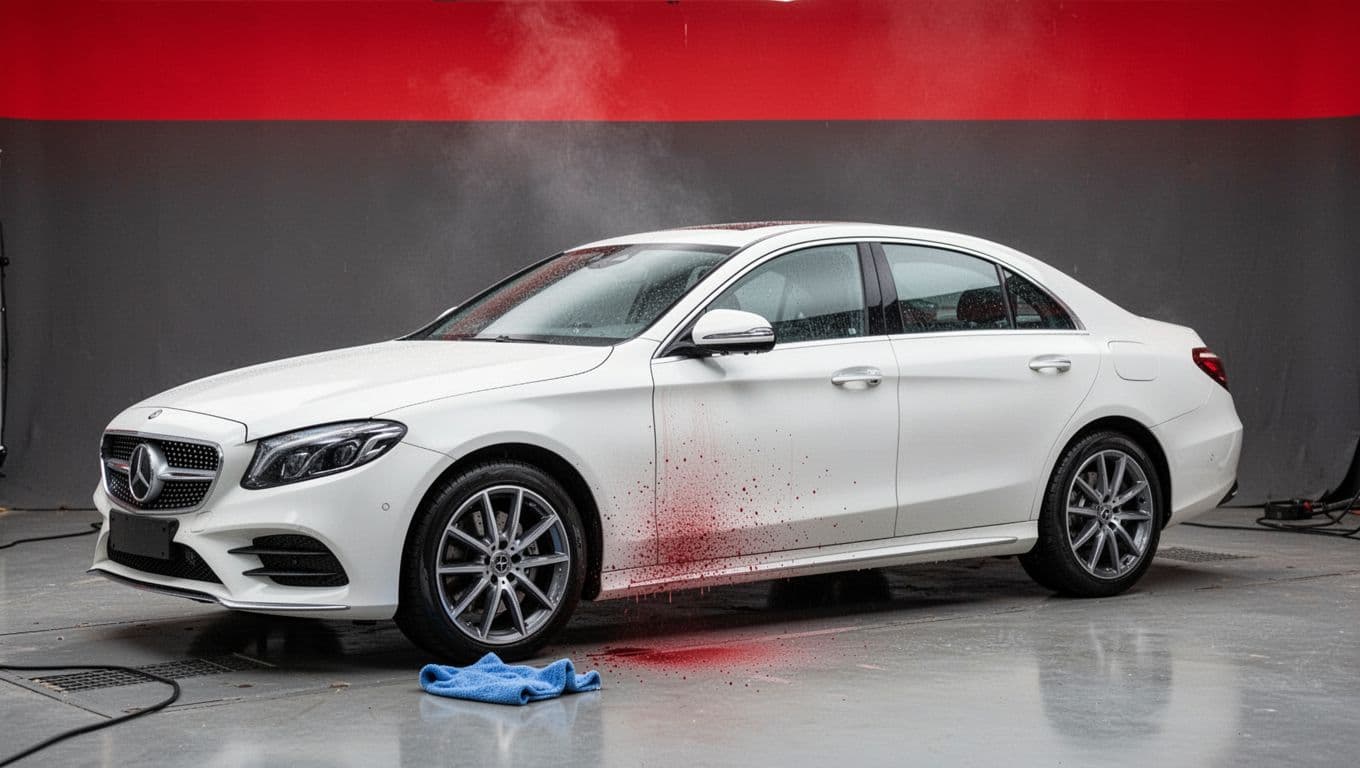
Loose dirt and bonded particles are different
Run your clean hand across a freshly washed bonnet or door. If the surface feels gritty, sandy, or slightly rough, the paint may have bonded contamination.
These particles sit on the clear coat and interfere with smooth reflections. They can also make waxes, sealants, and coatings harder to apply evenly.
Pressure washing is useful for removing loose dirt from panel gaps, wheels, and lower bodywork. It doesn’t always release particles that have attached themselves to the paint.
Common sources of paint contamination
Brake dust is one of the most common sources of iron particles. Fine metallic dust can settle on nearby panels and bond to the surface over time.
Other common contaminants include:
- Road tar and asphalt residue
- Tree sap and bird droppings
- Industrial fallout and rail dust
- Overspray from paint or construction work
- Hard water minerals and stubborn road film
Dubai vehicles can collect fine dust quickly, but dust isn’t the only concern. Traffic, parking areas, construction zones, and daily driving all expose paint to different types of residue.
The difference between surface dirt and bonded iron is also covered in CarPro’s explanation of bonded iron. A normal wash removes the obvious dirt, while bonded particles need a separate treatment.
What Paint Decontamination Includes
Paint decontamination is not one single product or fixed process. The correct method depends on the type and amount of contamination present.
Some vehicles need a light chemical treatment. Others need chemical treatment followed by carefully controlled clay work. A clean, well-maintained vehicle may not need aggressive mechanical decontamination at all.
Chemical decontamination targets certain residues
Iron removers are designed to react with ferrous particles. They are useful for brake dust and other iron-based fallout that washing leaves behind.
Tar removers target asphalt and oily tar deposits. Dedicated products may also help soften stubborn tree sap, although sap and other organic residue can require different treatment.
Chemical products don’t remove every type of contamination. Iron remover won’t correct scratches, remove all water spots, or dissolve every type of overspray.
Always read the product label before use. Work on a cool panel in the shade, test the product on a small area first, and never allow the chemical to dry on the paint. Rinse thoroughly after the recommended dwell time. Titan Coatings’ iron fallout remover guide also stresses the need to control surface temperature during this step.
Clay removes what remains attached
Clay bars, clay mitts, and clay towels provide mechanical decontamination. They pick up fine particles that remain after washing and chemical treatment.
The surface must stay well lubricated. Use a purpose-made clay lubricant or an approved soapy solution only when the product instructions allow it. Do not assume that an iron remover is safe to use as clay lubricant.
Use light pressure and short sections. If the clay falls on the ground, discard it. Dirt trapped in the clay can scratch the clear coat.
Clay work can create light marring, especially on soft paint or when lubrication is poor. A practical discussion of iron decontamination and clay shows why product sequence and lubrication should be treated as separate decisions.
Paint Decontamination Is Not Paint Correction
These services often appear together, but they do different jobs. Understanding the difference helps prevent unnecessary work and protects the clear coat.
Correction removes defects through polishing
Paint correction uses abrasive compounds and polishes to reduce or remove defects. These may include swirl marks, light scratches, oxidation, haze, and water-spot etching.
The process works by refining the paint surface and, in some cases, removing a very small amount of clear coat. It requires controlled machine or hand polishing.
Paint decontamination removes material that sits on top of the paint. It doesn’t repair scratches or restore etched clear coat. A vehicle can be fully decontaminated and still need correction.
Polishing after decontamination may improve the finish, but it shouldn’t be automatic. If the paint already has strong gloss and minimal marring, polishing may not be needed.
Protection is applied after the surface is prepared
Wax, paint sealants, and ceramic coatings protect a clean, prepared surface. They can improve gloss and make future washing easier.
Protection won’t hide or remove bonded contamination. Applying wax over a rough surface can seal in an uneven finish and make the final result less consistent.
A clean surface gives protection products better contact with the paint. The preparation stage should match the condition of the vehicle, not follow a fixed routine.
A Safe Paint Decontamination Process
Careful preparation matters more than using the strongest product available. A controlled process reduces the risk of staining, marring, and unnecessary clear-coat wear.
Inspect the vehicle before washing
Start by looking at the paint in good light. Check the bonnet, roof, doors, rear bumper, and lower panels for roughness, tar spots, water marks, and visible fallout.
Wash the vehicle using a clean mitt, suitable shampoo, and separate wheel tools. Keep wheel and paint tools apart because brake dust can scratch body panels.
Dry the car with clean microfiber towels, unless the product label calls for application to a wet surface. Inspect a small panel before treating the entire vehicle.
Apply chemical products with control
Move the vehicle into shade and confirm that the panels are cool to the touch. Product instructions may specify a dry or wet surface, so follow the label rather than relying on a general rule.
Test the product in a small, less noticeable area. Look for staining, discoloration, or an unexpected reaction before continuing.
Apply the product to a limited section. Allow it to dwell for the stated time, but don’t let it dry. Rinse the panel completely and repeat only when the contamination remains.
Use separate products for separate problems. An iron remover, tar remover, and water-spot treatment don’t perform the same task.
Clay only when the paint needs it
After chemical treatment, rinse and inspect the paint again. If the surface still feels rough, use a clean clay product with plenty of approved lubricant.
Work gently across small sections. Keep the clay moving, avoid heavy pressure, and wipe each area with a clean microfiber towel.
Stop when the surface feels smooth and the towel glides without catching. More passes don’t always produce a better result. Excessive clay work can create marring that later requires polishing.
How to Check the Finish After Decontamination
Inspection should happen throughout the process, not only after the final towel is put away. Touch and sight reveal different problems.
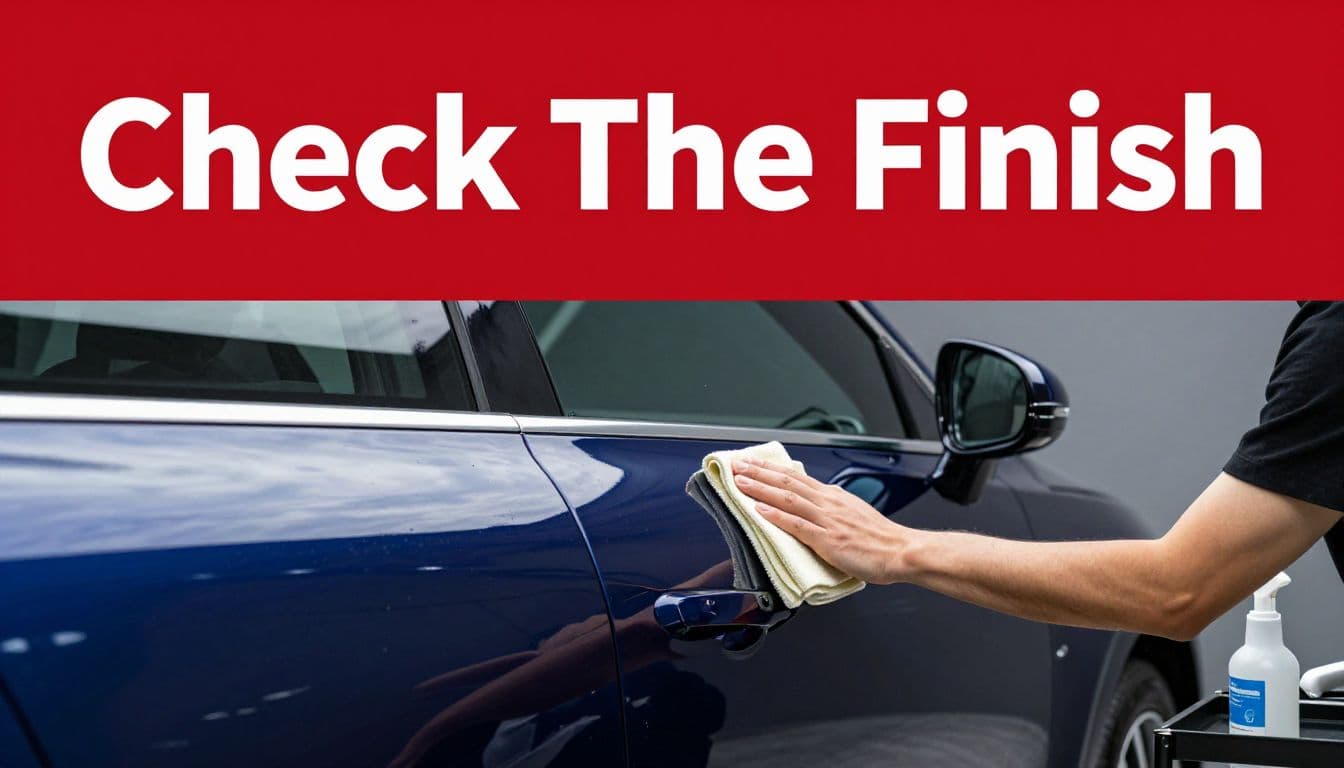
Use touch and light to inspect the paint
Place a clean plastic bag over your hand and glide it lightly across the panel. The thin plastic can make small grains easier to detect than bare fingertips.
You can also use a clean, dry hand after the panel is fully rinsed and dried. The surface should feel consistent rather than rough in isolated areas.
Visually inspect the paint under bright, direct lighting. Look for remaining tar, specks, streaks, chemical residue, or new clay marring.
A smooth surface doesn’t always mean the paint is defect-free. Decontamination can remove bonded material while leaving scratches, etching, or dullness unchanged.
Know when to stop
Light contamination may disappear after one chemical treatment. Heavy contamination may require another controlled section, but repeated applications aren’t always the right answer.
If the paint is smooth, clean, and visually consistent, stop the process. Don’t keep claying because the vehicle was scheduled for a full treatment.
If the surface remains rough after suitable chemical and clay work, the issue may be overspray, etched mineral deposits, or another defect that needs professional assessment. A dedicated vehicle decontamination guide can help explain when clay and iron removers are appropriate.
When Professional Decontamination Makes Sense
DIY paint decontamination is manageable when the contamination is light and the vehicle owner has the right products, lighting, towels, and time.
Professional service is a better choice when the car has heavy fallout, widespread tar, paint overspray, delicate finishes, or a history of aggressive washing. Detailers can inspect the surface, select suitable products, and limit mechanical work to areas that need it.
This is especially useful before polishing or applying long-lasting protection. A professional assessment can prevent unnecessary clay use and identify defects that chemical products cannot remove.
For Dubai vehicle owners, Bud Car Wash can combine an exterior wash with the right level of detailing and a wax-and-polish service based on the paint’s condition. Ask whether the service includes chemical decontamination, clay treatment, polishing, or protection, since these steps have different purposes.
Conclusion
A routine wash removes loose dirt, but it may leave iron fallout, tar, sap, and other bonded residue behind. Paint decontamination addresses that residue with controlled chemical treatment, careful clay work, or both.
The safest approach is simple: inspect first, work on cool paint, test products in a small area, follow the label, keep chemicals from drying, and use plenty of clay lubricant. Decontamination prepares the surface, while polishing corrects defects and protection helps maintain the finish.
A clean-looking car deserves more than repeated washing. The right process leaves the paint smooth, clear, and ready for its next stage of care.
Get a price on detailing and surface protection
Shop #7, 44, 22nd Street, Ras Al Khor Industrial Area 2, open 24 hours. Tell us the car and we reply with a price and a time.
Would rather talk? Call +971 55 168 5050. Someone answers 24 hours.
See us first on Google
Google lets you choose the sites you want to see more of. Add Bud Car Wash as a preferred source and our car care guides show up more often in Top Stories and in Google’s AI answers.
Opens Google in a new tab. You can remove us again at any time.

Sammie O is the owner of Bud Car Wash, a 24 hour hand car wash and detailing shop at Shop #7, 44, 22nd Street, Ras Al Khor Industrial Area 2, Dubai. He writes the car care guides on this site based on work done in his own bay.
View All Articles