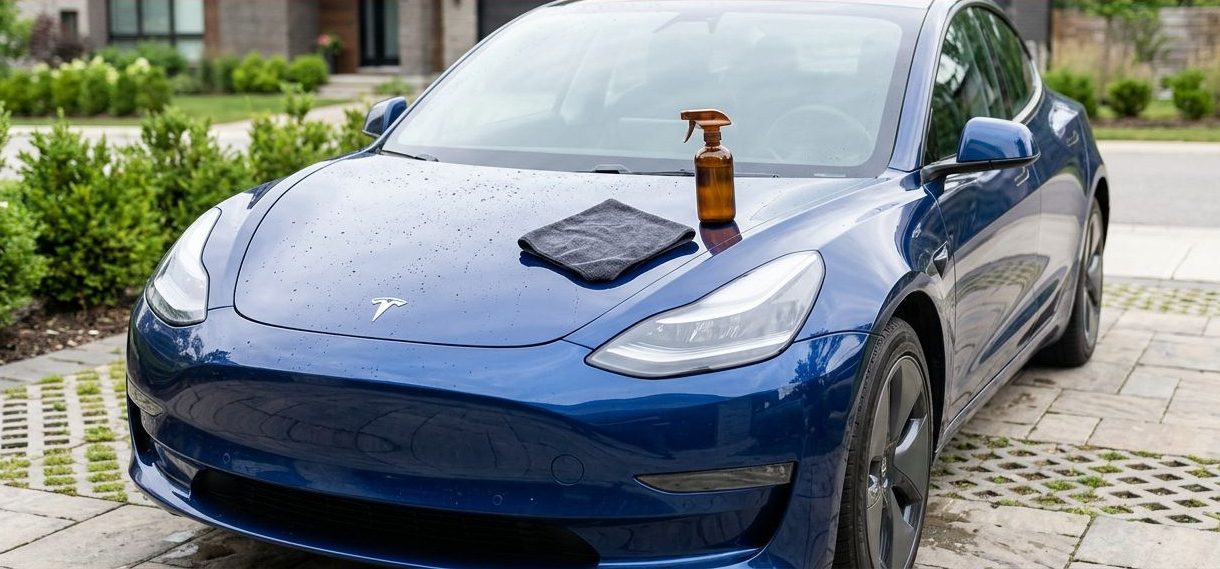

A spotless car doesn’t need harsh chemicals or excessive water. The right eco friendly car cleaner can remove dust, road film, and interior marks while reducing unnecessary impact on your vehicle and surroundings.
The important part is knowing what each label means. Biodegradable, phosphate-free, VOC-conscious, and waterless products address different concerns. They aren’t interchangeable, and no single label proves that a cleaner is safe in every situation. The right product depends on your car’s surface, the amount of dirt, and how you handle the used water.
What Makes an Eco Friendly Car Cleaner Different?
An environmentally conscious car cleaner is designed to reduce one or more common problems linked to vehicle washing. It may contain ingredients that break down more readily, avoid phosphates, release fewer volatile organic compounds, or require less water during use.
These terms have different meanings:
- Biodegradable means the ingredients can break down through natural processes under suitable conditions. It doesn’t mean the product is harmless when poured into a storm drain.
- Phosphate-free products avoid phosphates that can contribute to excessive plant and algae growth in waterways. Other cleaning ingredients can still affect aquatic life.
- VOC-conscious cleaners contain fewer volatile organic compounds. This can improve indoor air quality and reduce strong fumes, but VOC-conscious doesn’t mean chemical-free.
- Waterless cleaners use a spray-and-wipe process with little or no added water. They aren’t automatically biodegradable or suitable for heavy dirt.
- Rinseless products are diluted with water and wiped away without a full hose rinse. They use less water than a traditional wash, but they still produce wastewater.

The product label should be treated as a starting point, not a complete environmental assessment. Look for clear ingredient information, usage instructions, surface warnings, and disposal guidance. Avoid products that rely only on broad claims such as “green” or “natural” without explaining what those claims cover.
Fragrance also deserves attention. A strong scent doesn’t indicate better cleaning, and fragrance compounds can add unnecessary indoor air pollutants. A mild, low-odor formula is often a better choice for interior detailing.
How to Choose an Eco Friendly Car Cleaner
Start with the type of cleaning you need. Exterior paint, alloy wheels, glass, leather, fabric, and dashboard plastics all respond differently to cleaning agents.
A pH-neutral car shampoo is a practical choice for regular exterior washing. It is less likely to disturb existing wax or damage sensitive finishes when used as directed. A wheel cleaner may need stronger ingredients, but it should be designed for the wheel material and used on a cool surface.
This quick comparison can help you match the product to the task.
| Cleaner type | Best use | Main point to check |
|---|---|---|
| Biodegradable shampoo | Routine exterior washing | Breakdown claims and runoff instructions |
| Phosphate-free soap | Regular washing near water-sensitive areas | Full ingredient and disposal information |
| Waterless cleaner | Light dust and fresh fingerprints | Lubrication, towel use, and surface compatibility |
| Rinseless wash | Moderate dirt with controlled water use | Correct dilution and pre-rinse instructions |
| Interior cleaner | Vinyl, plastic, fabric, or leather | Surface-specific directions and odor level |
The takeaway is simple: choose by cleaning job first, environmental label second. A waterless product used on sand-covered paint can create scratches. A biodegradable soap poured into a drain can still carry oil and metal particles into the water system.
Check whether the formula is safe for clear coat, ceramic coatings, paint protection film, vinyl wraps, matte finishes, tinted glass, and rubber trim. If the label doesn’t mention your surface, test a small hidden area before treating the whole vehicle.
For product comparisons, Car and Driver’s tested car wash soap guide can help you review different cleaning and protection features. Testing information is useful, but always compare it with the cleaner’s own instructions and your vehicle manufacturer’s recommendations.
Avoid mixing products. Combining an acidic wheel cleaner, interior disinfectant, polish, or bleach-based household product can damage surfaces and create unsafe fumes.
Choose the Washing Method Based on Dirt and Water
Waterless cleaning works best when the vehicle has light dust, fingerprints, or a small fresh mark. It is not the right method for thick sand, dried mud, heavy road film, or bird droppings that have hardened onto the paint.
The reason is mechanical. Every towel movement can drag particles across the clear coat. In a dry climate such as Dubai, fine dust and sand can collect quickly. Wiping a heavily dusty car without enough lubrication may create fine scratches and dull the finish.

A rinseless wash is more suitable for moderate dirt when you can prepare the solution correctly. It uses a bucket of diluted cleaner, several clean microfiber towels, and a controlled panel-by-panel process. You still need enough liquid to lift dirt safely from the surface.
For a traditional wash, use a low-flow nozzle or a professional wash facility with wastewater controls. Pre-rinsing removes loose grit before contact washing. Work from the roof downward because lower panels usually hold more road dirt.
A careful exterior routine follows this order:
- Park the vehicle in shade and allow hot panels to cool.
- Remove loose dust and sand with a suitable rinse or approved air method.
- Prepare the cleaner at the stated dilution, without adding extra concentrate.
- Wash one section at a time with a clean microfiber mitt.
- Rinse or remove the solution according to the product instructions.
- Dry with clean, soft towels before water spots form.
Replace a towel when it becomes visibly dirty. Keep separate towels for paint, wheels, glass, and the interior. This prevents brake dust and oily residues from moving onto delicate surfaces.
A professional car wash can be the more responsible option when your home setup sends runoff toward a storm drain. The best facility will control water use, manage wastewater, and use products suited to the vehicle’s finish.
Protect Paint, Wheels, Glass, and Interior Surfaces
A cleaner can be environmentally considerate and still be wrong for a particular surface. Product compatibility protects the vehicle, prevents repeat cleaning, and reduces waste caused by damaged materials.
For glossy paint and clear coat, use a soft microfiber mitt and avoid abrasive kitchen sponges. Products made for matte paint or satin vinyl should not contain gloss-enhancing ingredients unless the manufacturer approves them. Wax and polish can change the appearance of matte finishes.
Ceramic coatings, paint protection film, and vinyl wraps also need compatible formulas. A strong solvent or abrasive compound may weaken the finish or leave uneven results. Read the coating provider’s care instructions before using a new eco friendly car cleaner.
Wheels need separate treatment. Clean them only when they are cool, and use a wheel product that matches the finish. Painted, polished, chrome, and coated wheels can react differently to acidic or alkaline formulas. Never allow a wheel cleaner to dry on the surface.
Glass needs a streak-free product that won’t leave an oily film. Keep glass cleaner away from leather and dashboard plastics unless the label allows it. For tinted windows, use a tint-safe formula and follow the film manufacturer’s care instructions.
Interior materials need controlled moisture. Spray cleaner onto a microfiber cloth instead of soaking seats, vents, switches, or door controls. Keep liquids away from screens and electrical connections. Leather needs a leather-specific cleaner, while fabric seats may need a low-moisture product that dries fully.
A cleaner’s environmental label doesn’t replace surface safety. The safest product is one that cleans effectively without causing damage or requiring a second treatment.
Ventilation also matters. Open doors when cleaning the cabin, avoid mixing chemicals, and stop using any product that causes eye, skin, or breathing irritation. Wear the protective gloves listed on the label, especially when handling wheel cleaners or concentrated formulas.
Dispose of Wash Water and Cleaning Materials Properly
Used car wash water contains more than soap. It can carry oil, grease, brake dust, tire residue, metals, and dirt from the road. That mixture shouldn’t flow into a storm drain or onto a paved area that leads directly to one.
King County’s car wash guidance recommends choosing a non-toxic, biodegradable soap without phosphates, fragrance, chlorine, or petroleum-based ingredients. It also explains why commercial car washes can be preferable, since their wastewater is handled through an appropriate drainage system.
Local rules differ, so check Dubai Municipality requirements, building management rules, or the instructions for your washing area before disposing of runoff. Never assume that biodegradable soap makes any drain acceptable.
Keep concentrate out of soil, drains, and waterways. Follow the product label for empty containers. Washable microfiber towels should be cleaned separately from household laundry when they contain oil, tire dressing, or heavy grime. Oily absorbent materials may need disposal through a local hazardous-waste service.
Waterless washing reduces water use, but the used towels still hold removed dirt and chemicals. Shake them outdoors only where particles won’t enter a drain, and store heavily contaminated materials safely until they can be washed or discarded according to local guidance.
When Professional Cleaning Is the Better Choice
Professional service is useful when the vehicle has heavy contamination, delicate finishes, deep interior stains, or limited access to safe wastewater disposal. A trained team can select separate products for paint, wheels, glass, leather, fabric, and trim.
For Dubai vehicle owners, Bud Car Wash provides exterior washing, deep interior detailing, and wax-and-polish services. Before booking, ask which products are used, whether they are biodegradable or phosphate-free, how waterless services are handled, and where wash water goes.
Good service includes more than a clean finish. It includes careful tools, controlled product use, proper surface treatment, and responsible cleanup. These details protect both the car and the surrounding area.
A Cleaner Car With Less Environmental Waste
An eco friendly car cleaner is not defined by one attractive label. Biodegradable, phosphate-free, VOC-conscious, waterless, and rinseless products each solve different problems, while none guarantees complete environmental safety.
Choose a formula made for your vehicle’s surfaces, match the method to the amount of dirt, and use clean microfiber tools. Keep wash water away from storm drains, dispose of contaminated materials responsibly, and choose a professional facility when runoff is difficult to control.
A spotless car and responsible cleaning can work together. The result depends on the product, the process, and the care taken after the wash.

Sammie O is the owner of Bud Car Wash, a 24 hour hand car wash and detailing shop at Shop #7, 44, 22nd Street, Ras Al Khor Industrial Area 2, Dubai. He writes the car care guides on this site based on work done in his own bay.
View All Articles