Last updated 28 July 2026 by Sammie O, owner of Bud Car Wash in Ras Al Khor Industrial Area 2, Dubai.
A clean car can lose its shine quickly when sand and dust settle on the surface. Whether it is fine grit from local roads or seasonal Sahara dust carried by the wind, the problem becomes worse when heat, moisture, or an unsafe wash turns loose particles into fine scratches.
Sand dust car damage often starts as a minor cosmetic issue, but repeated abrasion can wear down the clear coat and cause significant paintwork damage over time. Safe washing, covered parking, protective products, and timely detailing help keep your vehicle looking fresh in dusty, sandy, and coastal conditions.
Want us to do it instead?
We do manual car wash at our Ras Al Khor bay, 24 hours a day. Fill this in and we reply with a price and a time. The message writes itself, so you only tap send.
Would rather talk? Call +971 55 168 5050. Someone answers 24 hours.
Key Takeaways
- Sand and dust particles act as abrasives that scratch paint when dragged across the surface.
- Dry wiping your vehicle is one of the fastest ways to create swirl marks and paint dullness.
- Using a thorough pre-rinse, a high-quality microfibre cloth, and a gentle pH-neutral car shampoo helps minimize surface damage during washes.
- Applying wax, paint sealants, ceramic coatings, and paint protection film provides a robust barrier against environmental contaminants.
- Deep scratches, peeling clear coat, and etched marks often require professional paint correction to restore the vehicle finish.
How Sand and Dust Damage Car Paint
Sand is more than loose dirt sitting on your bonnet. When wind pushes it across the paint, these abrasive sand particles act like fine sandpaper. Driving through a sandstorm creates a sandblasting effect that damages the paint at higher speeds, particularly on the front bumper, bonnet, roof, mirrors, and door edges.
Dust causes damage when it is rubbed against the surface. A dry cloth, sleeve, or dirty towel can move particles across the clear coat and leave fine circular marks. These marks are often easier to see on black, dark blue, and other glossy colours.
The clear coat is the transparent layer that protects the coloured paint beneath it. Small scratches may not expose the colour coat, but they scatter light and reduce the sharp reflection that makes a vehicle look polished. Repeated washing without proper rinsing can gradually leave the clear coat finish hazy.
Moisture makes the problem more difficult. Dust can mix with humidity, road debris, oil, and salt, creating a stubborn layer that bonds to the paint. Coastal drivers may also deal with salt particles in the air. If a stone chip or scratch exposes bare metal, salt and moisture can encourage rust and corrosion around that damaged area.
A dusty car should be treated as an abrasive surface until the loose particles have been rinsed away.
The damage is not always obvious after one drive. Fine swirls build slowly through repeated dry wiping, automatic brush contact, rushed washing, and poor drying. A vehicle may still look clean, but its reflection becomes less clear over time.
Sand can also collect in panel gaps, around badges, under door handles, and near window seals. These areas release grit during later cleaning. A careful wash removes those particles before they can scratch the surrounding finish.
Damage Beyond the Paint Surface
Windshield damage often begins with the accumulation of fine particles that create tiny, abrasive marks when worn wiper blades move across the glass. Using wipers on a dry, dusty surface can significantly impair visibility and often leaves a persistent hazy trail that worsens over time.
Beyond the glass, dust and sand can negatively impact your engine performance if allowed to bypass filtration systems. Regularly checking your air filters is essential to prevent these contaminants from entering the intake, where they can cause internal wear and reduce overall efficiency.
Side windows can develop similar marks if the glass and rubber channels contain trapped grit. Before lowering a dusty window, take a moment to clean the surrounding seals and the glass itself. This small step prevents abrasive particles from being pulled into the delicate window mechanism.
Black plastic trim often shows dust buildup quickly. Rubbing these surfaces with a dry towel can create light scratches or uneven patches. Furthermore, unprotected exterior plastic may fade under strong sun and heat, making the vehicle look older even when the painted panels remain in good condition.
Wheels and brake components collect a stubborn mix of brake dust, sand, and road grime. This material sticks to the wheel finish and becomes increasingly difficult to remove once exposed to heat. Alloy wheels with glossy, painted, or machined surfaces require separate cleaning tools, as wheel grime can easily scratch paintwork if transferred to the body of the car.
Door jambs, lower sills, and the areas directly behind the wheels are common collection points for debris. While these spots may not be visible from a distance, trapped grit can shift onto clean panels when doors are opened or when the vehicle is in motion. A professional exterior wash should always include these overlooked areas. Removing dirt from the full exterior provides a cleaner appearance and reduces the amount of loose material that can eventually migrate back to the paint.
Safe Washing Techniques for a Dusty Car
The safest wash begins before a sponge touches the vehicle. Park in the shade when possible, allow hot panels to cool, and rinse the entire car with plenty of clean water. Using a snow foam as a pre-wash treatment is an excellent way to lift abrasive particles away from the surface before you begin physical contact. Use a broad spray with your pressure washer and keep the nozzle moving. Avoid holding a narrow, powerful stream close to paint chips, seals, badges, or damaged trim.
The first rinse should remove as much loose sand as possible. Do not replace this step with a quick wipe. A cloth can pick up dry particles, but it can also drag them across the clear coat, leading to swirl marks.
Use a pH-neutral car shampoo with a clean microfiber wash mitt. The two-bucket method is highly effective, especially when you use a grit guard at the bottom of each bucket to trap debris and prevent it from scratching your paint. Keep one bucket for soapy water and another for rinsing the mitt. Rinse the mitt often, especially after cleaning lower panels, wheel arches, and sills.
Work from the roof down. The upper panels usually contain less heavy grime than the lower doors, bumpers, and rear panels. Clean wheels with separate brushes and towels so brake dust and grit do not transfer to painted areas.
A safe wash usually follows these steps:
- Rinse the vehicle thoroughly, including the wheels, arches, mirrors, and panel gaps.
- Apply snow foam or car shampoo with a clean wash mitt, using straight passes instead of aggressive circles.
- Rinse the mitt after each small section and replace the water when it becomes dirty.
- Rinse all shampoo from the surface, seals, grilles, and door edges.
- Dry with a clean, soft microfibre cloth or a filtered air blower.
Never use a dry towel to remove a thick layer of dust. Do not use household dish soap as a regular car shampoo, and never reuse towels that have touched wheels or the ground. A towel that looks clean may still hold hard particles that can damage your finish.
Water spots also need careful handling. Letting water evaporate in strong heat can leave mineral deposits on paint and glass. Dry the car soon after rinsing, or ask a professional detailer to remove marks that have already bonded to the surface.
Wax, Sealants, Ceramic Coatings, and Paint Protection Film
Protective products make cleaning easier and add a useful barrier between the environment and your car’s finish. They do not make paint scratch-proof, but they can reduce how strongly dust, road film, and water spots stick to your vehicle.
Traditional car wax provides a smooth finish and a deep, visible shine. Many enthusiasts prefer a high-quality carnauba wax because it offers a natural, warm glow while providing a sacrificial layer of protection against environmental contaminants. Wax needs regular renewal, especially on vehicles exposed to strong sun, frequent washing, and blowing sand.
Paint sealants usually offer longer-lasting protection than traditional wax. They bond to the surface and help reduce contamination. A properly prepared panel is important because applying protection over embedded grit or old residue can lock an uneven finish beneath the product.
A professional ceramic coating creates a durable, slick layer over the paint when applied to a properly cleaned and prepared vehicle. These coatings make maintenance washes easier and improve resistance to chemical staining. However, a ceramic coating will not prevent stone chips, deep scratches, or damage caused by wiping a dusty car.
Paint protection film, often called PPF, provides a physical film over selected painted areas. Many owners choose it for the front bumper, bonnet, mirrors, and front fenders because these areas receive more sand and road impact. Some modern films can reduce the appearance of light surface marks with heat, but the film still needs safe washing techniques.
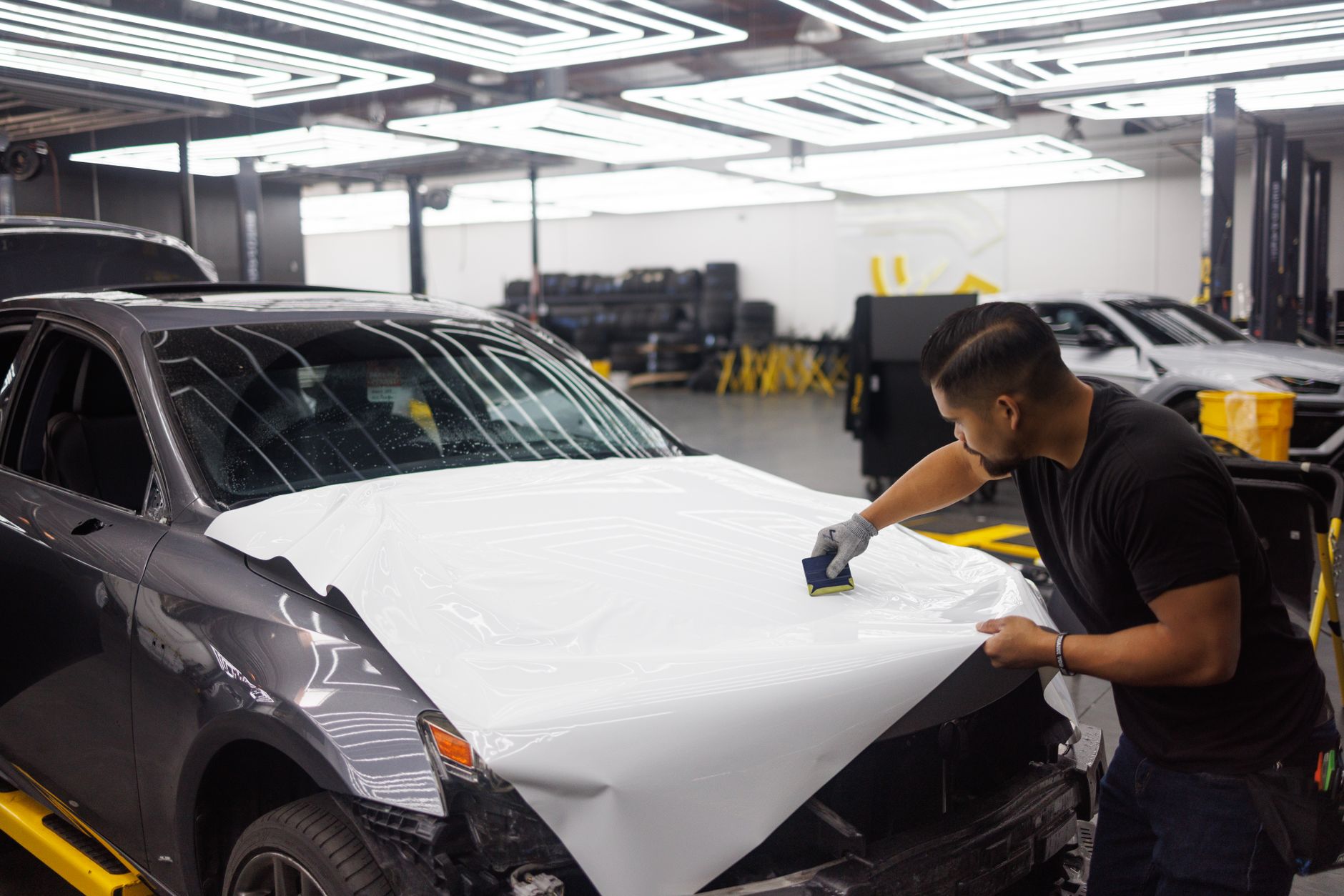
Photo by Auto Records
The right choice depends on the vehicle, parking conditions, budget, and desired finish. Wax is practical for regular maintenance. Sealants and ceramic coatings suit owners who want longer-lasting surface protection. PPF costs more, but it offers stronger physical protection against chips and abrasion on high-impact areas.
Covered Parking and Timely Maintenance
Covered parking is one of the simplest ways to reduce sand and dust exposure. A garage or shaded car park limits windblown particles and protects the finish from direct sunlight. It also reduces the heat that causes water and cleaning products to dry quickly on the paint.
If you decide to use a car cover, ensure you only place it on a clean, dry vehicle. Using a car cover over dusty paint can be counterproductive, as the fabric will rub trapped sand against the panels whenever it moves in the wind. To keep your vehicle protected, always choose a breathable, secure car cover and clean the material regularly according to the manufacturer instructions.
After a dust storm or exposure to Sahara dust, avoid the temptation to wipe the car clean. Loose particles may be sitting across every panel, including the roof and glass. Wait until you can rinse the vehicle properly, then wash it using clean tools and fresh water. During this process, remember to perform an undercarriage rinse to remove any salt, grit, or debris that may have collected in hard to reach areas beneath the vehicle.
Regular maintenance is easier than repairing neglected damage. Check the paint after harsh weather, long highway trips, and periods spent near construction or unpaved roads. Clean bird droppings, insect residue, and salt deposits promptly because they can stain or etch the surface when left in heat.
A quality wash and detailing service can remove bonded contamination without adding more scratches. Professional products, separate tools, and careful drying are especially useful when a vehicle is used daily in Dubai or other dusty environments.
Cosmetic Damage or Professional Paint Correction?
Not every mark requires paint correction. Light dust swirls, mild haze, and shallow washing marks are usually cosmetic issues. A professional detailer can inspect the surface, perform a thorough decontamination using a clay bar to remove bonded particles, and use a suitable polish to improve clarity and shine.
Paint polishing removes a small amount of clear coat to level shallow imperfections. This process should be performed by someone who understands the condition and thickness of the finish. Repeated polishing is not a substitute for better washing habits.
Professional attention from a qualified professional detailer is more suitable when a scratch catches your fingernail, exposes a lighter underlayer, or reveals bare metal. Peeling clear coat, spreading corrosion, cloudy glass, heavy water spots, and deep scratches also need more than a standard wash.
Paint correction will not repair missing paint or severe rust. Those problems may require touch-up work, refinishing, or a visit to a body shop. An expert can identify the difference and recommend the right service instead of treating every mark with abrasive products.
The best result often combines correction with protection. Once the surface is clean and improved, wax, sealant, ceramic coating, or paint protection film can help preserve the finish. Safe maintenance then protects the work for longer.
Frequently Asked Questions
Can I use a duster to remove sand from my car between washes?
You should avoid using any dry cloth, duster, or brush on a dusty vehicle. These tools drag abrasive particles across your clear coat, which acts like sandpaper and creates permanent swirl marks or haze on your finish.
Does a ceramic coating prevent sand damage?
While a ceramic coating makes the surface slicker and easier to clean, it is not a shield against sand or deep scratches. It provides a chemical barrier against contaminants, but you must still follow safe, thorough washing techniques to avoid causing surface damage.
Why does my windshield look hazy after using the wipers?
Using wiper blades on a dusty windshield grinds fine grit into the glass. This process creates microscopic scratches and a permanent hazy trail that impairs visibility, especially when you are driving toward direct sunlight at night or during the day.
How often should I wash my car if I live in a dusty area?
There is no set schedule, but you should wash your vehicle whenever you notice a significant accumulation of dust or after a heavy weather event. The goal is to remove grit before it bonds with moisture or heat, which makes the cleaning process much safer for your paintwork.
Conclusion
Sand and dust can turn a routine car wash into a primary source of paint damage when abrasive particles are wiped across the surface. By rinsing your vehicle thoroughly before washing, using clean microfiber tools, parking under cover, and maintaining high quality protective products, you can significantly reduce the risk of unsightly swirl marks and overall dullness.
Small cosmetic blemishes are often manageable with home detailing, while deep scratches, peeling clear coat, and etched surfaces usually require professional care. By committing to timely maintenance and a proper washing routine, your vehicle’s clear coat, glass, trim, and exterior shine can remain in excellent condition, even when exposed to dusty and sandy environments.
Get a price on manual car wash
Shop #7, 44, 22nd Street, Ras Al Khor Industrial Area 2, open 24 hours. Tell us the car and we reply with a price and a time.
Would rather talk? Call +971 55 168 5050. Someone answers 24 hours.
See us first on Google
Google lets you choose the sites you want to see more of. Add Bud Car Wash as a preferred source and our car care guides show up more often in Top Stories and in Google’s AI answers.
Opens Google in a new tab. You can remove us again at any time.

Sammie O is the owner of Bud Car Wash, a 24 hour hand car wash and detailing shop at Shop #7, 44, 22nd Street, Ras Al Khor Industrial Area 2, Dubai. He writes the car care guides on this site based on work done in his own bay.
View All Articles