
Last updated 31 October 2026 by Sammie O, owner of Bud Car Wash in Ras Al Khor Industrial Area 2, Dubai.
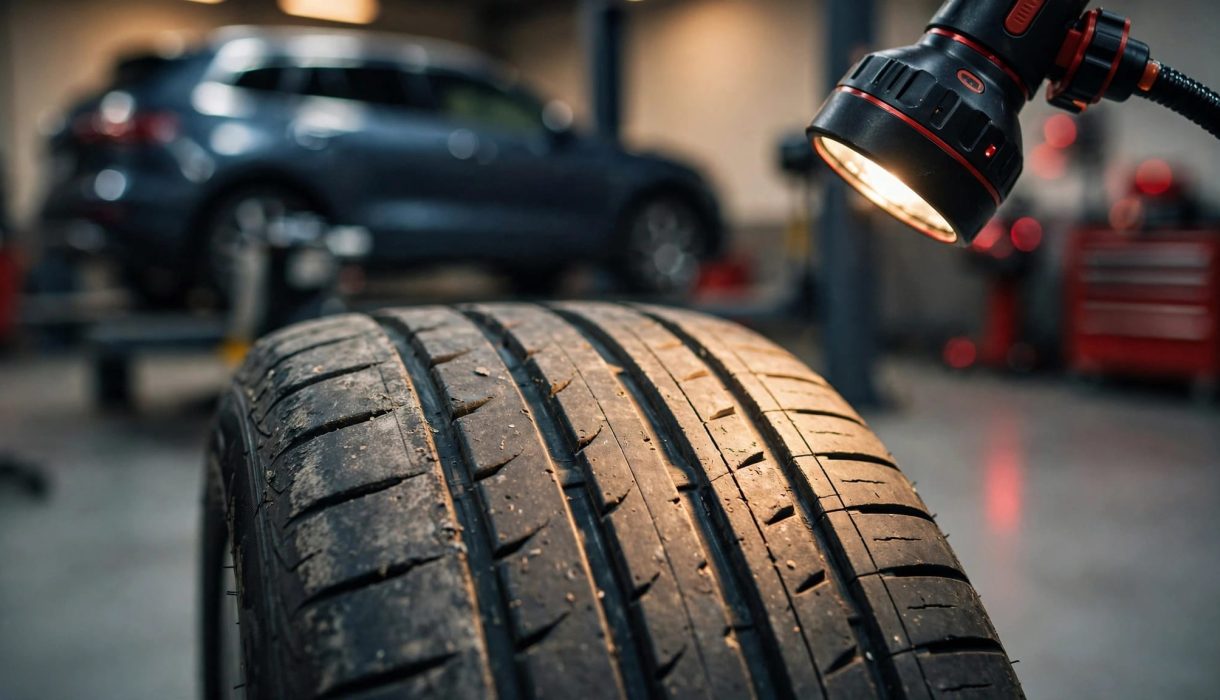
Uneven tire wear can point to problems with tire pressure, wheel alignment, or suspension parts. The pattern is a useful clue, but it can’t confirm a cause on its own.
A quick tread inspection before a long drive can help you spot changes early. If a tire is wearing heavily on one edge, or you notice vibration or handling problems, arrange a professional inspection promptly.
Want us to do it instead?
We do tyre and wheel services at our Ras Al Khor bay, 24 hours a day. Fill this in and we reply with a price and a time. The message writes itself, so you only tap send.
Would rather talk? Call +971 55 168 5050. Someone answers 24 hours.
Common tire-wear patterns and what they may mean
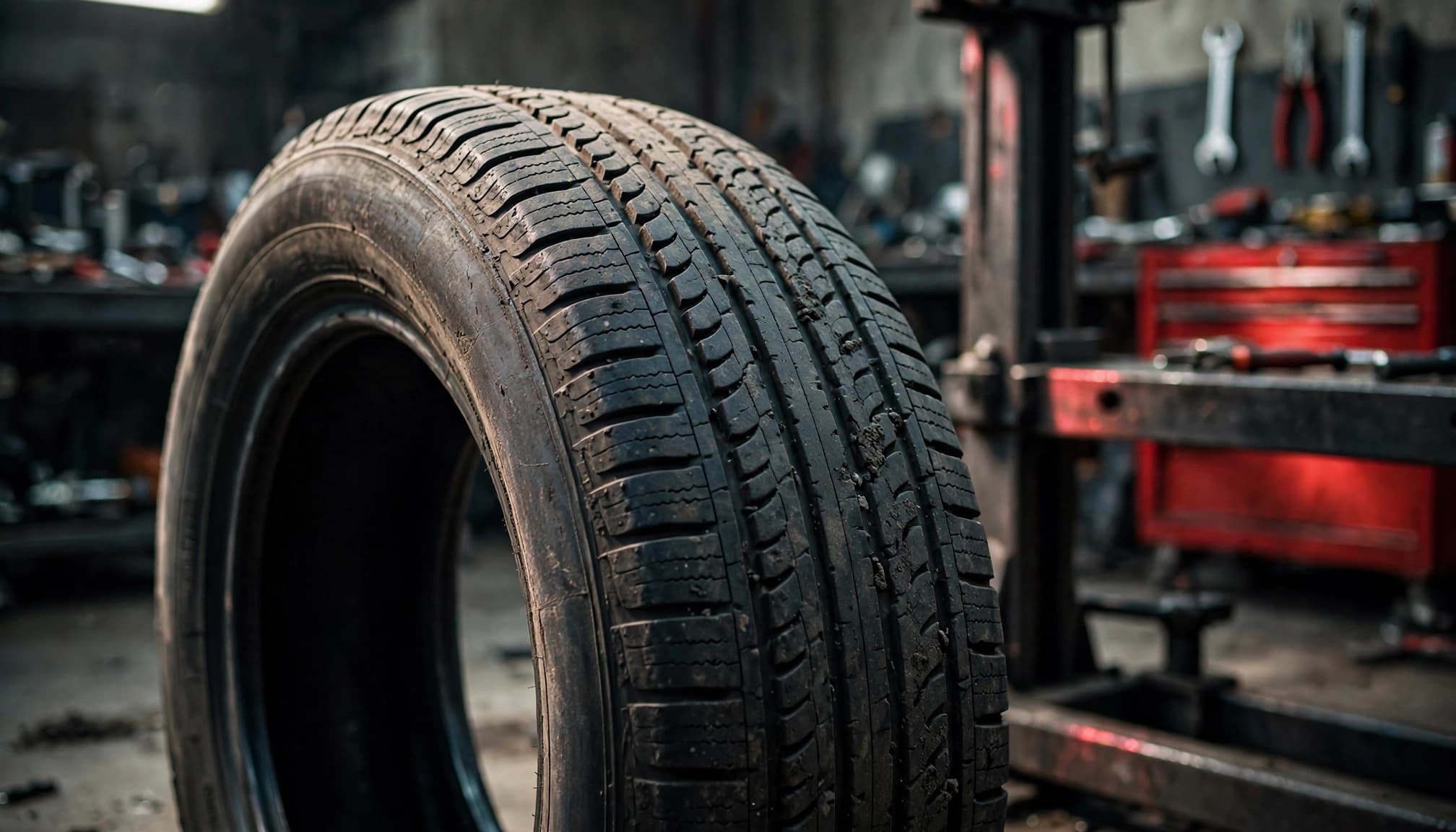
Tires wear across the tread surface as you drive. Compare the inner edge, centre, and outer edge of each tire. A difference between these areas can help identify what needs attention. Tracy Honda’s tire wear guide shows several common patterns, including centre, inner-edge, and outer-edge wear.
Centre and shoulder wear
When the centre of the tread wears faster than both shoulders, overinflation may be a factor. If both outer shoulders wear faster, the tires may be underinflated. These are common associations, not a diagnosis. Check the pressure against the vehicle manufacturer’s recommended setting before adding or releasing air.
Wear concentrated on just the inner or outer shoulder can point to an alignment or suspension concern. A wheel’s position affects how the tread meets the road, but other factors can create a similar pattern.
Cupping, feathering, and flat spots
Cupping appears as a series of shallow dips or scallops around the tread. It may be associated with worn shocks or other suspension issues. Feathering feels smooth in one direction and rough in the other across the tread blocks, and can be linked to alignment.
Flat spots are worn patches in one area of the tire. Toe wear, cupping, and flat spots are patterns worth raising with a technician. Each pattern deserves attention, especially if it appears with vibration or noise.
What tire pressure, alignment, and suspension can reveal
A pressure issue can affect more than comfort. If pressure is too high or too low for the vehicle’s recommendation, the tread may not contact the road evenly. Jiffy Lube’s overview of tire-wear patterns connects centre wear with overinflation, outer-edge wear with underinflation, and cupping with worn shocks.
Alignment affects how the wheels point and sit relative to the road. If the wheel angles are out of position, one part of the tread may carry more contact than the rest. A pull to one side or an off-centre steering wheel can add useful context for a technician, but neither confirms the cause by itself.
Suspension parts help keep tires in contact with the road. If a component is worn or not working as intended, the tire may bounce or load unevenly. Alignment and suspension problems can occur together, so a visible pattern may need more than a pressure adjustment.
What handling and noise add to the picture
Tread wear is only one part of the inspection. Pay attention to how the car feels and sounds, especially if the change appeared gradually after a long trip or a hard impact.
A steering wheel that pulls, a vehicle that feels unstable, or vibration through the steering wheel or seat can accompany tire or wheel problems. A humming or thumping sound that changes with speed can also be useful information for a technician. These symptoms have several possible causes, so don’t use them to identify a single faulty part.
If vibration or handling problems appear with uneven wear, arrange a prompt inspection. Severe vibration, a visible tire bulge, or exposed tire cords calls for urgent attention before the car is driven further.
Why a wear pattern isn’t a final diagnosis
A tire shows the result of the conditions it has faced, not a clear report of which part needs repair. Pressure, alignment, suspension condition, driving conditions, and tire history can all affect the tread. Crash Champions’ tire-checking guide also identifies pressure, alignment, and seasonal tire mismatch as possible factors in uneven wear.
One tire or several?
Compare all four tires. A similar pattern on both front tires may point to a different issue than one tire wearing heavily on its own. The location and severity of wear help a technician narrow down the inspection.
Changes over time matter
A tire that has worn unevenly for months may look different from one that develops a new pattern quickly. Note when you first saw the change, whether the tires were recently replaced, and whether the vehicle has started pulling or vibrating. These details help make the inspection more focused.
How to check your tires before a drive
A simple visual check takes only a few minutes. Park on level ground, turn the steering wheel to make the front tread easier to see, and inspect each tire without putting yourself under the vehicle.
Compare tread across the tire
Look at the inner edge, centre, and outer edge of each tire. Check for worn patches, scalloped dips, cracks, cuts, or objects lodged in the tread. A tread-depth gauge can help compare the different sections. The important point is to notice whether one area is wearing faster than another.
Also look at the sidewalls. A bulge or visible damage needs professional attention, even when the tread looks acceptable. Don’t rely on a quick glance at the outside shoulder alone, since wear can be more pronounced on the inside edge.
Check pressure when tires are cold
Use a reliable tire-pressure gauge and follow the pressure listed by the vehicle manufacturer, often on a placard inside the driver’s door. Tire pressure can change with temperature and driving, so check before a trip rather than immediately after a long drive.
If pressure is repeatedly low, don’t keep topping it up without finding the cause. A puncture, valve issue, or other leak may need repair.
What to do when you spot uneven wear
First, check tire pressure and compare it with the vehicle’s recommended setting. Correct pressure may help prevent additional wear, but it won’t repair damage already present or resolve an alignment or suspension fault.
Arrange an inspection when needed
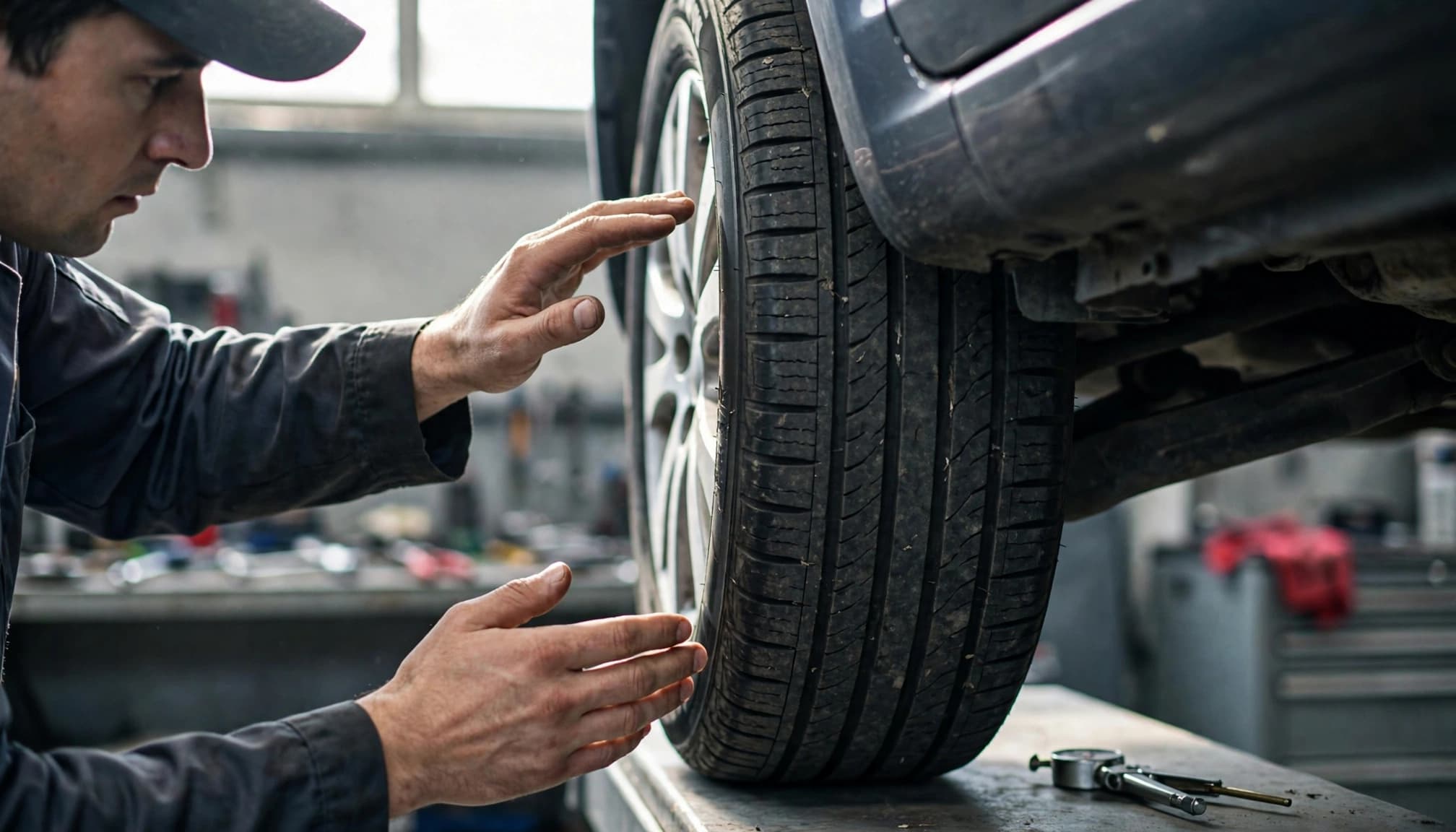
Book a professional inspection if wear is pronounced, appears on one edge, or returns after you correct the pressure. Ask the technician to assess the tires and, where appropriate, the alignment and suspension. A tire may need replacement if it is damaged or too worn to use safely.
If the wear is severe or you notice vibration, pulling, or a change in handling, don’t wait for a routine service. In Dubai, we offer wheel and mechanical services at Shop #7, 44, 22nd Street, Ras Al Khor Industrial Area 2.
Keep track after service
After an adjustment or repair, continue checking the tread and pressure. A pattern that keeps developing may mean the cause remains unresolved. Record when you noticed the wear and what changed after service, so the next inspection has clear details to work from.
Prepare tires before a long drive
Check all four tires before departure, including the inside edges where wear can be harder to see. Confirm pressure when the tires are cold, and look for any change in handling, noise, or vibration. If you spot a serious issue, have it inspected before setting off.
Leave enough time for vehicle checks before the travel day, and address any tire concern before the journey begins.
A tire with obvious damage or severe wear can affect the drive and your ability to manage an unexpected stop. If there’s doubt about its condition, get a professional assessment before carrying passengers and luggage over a long distance.
Key takeaways
- Centre wear may be linked to overinflation, while wear on both shoulders may be linked to underinflation.
- Inner-edge wear, cupping, and feathering can point to alignment or suspension concerns.
- Wear patterns are clues, not definitive diagnoses.
- Check pressure and tread regularly, and seek prompt inspection for severe wear, vibration, or handling changes.
Frequently asked questions
Can I keep driving with uneven tire wear?
It depends on how severe the wear is and whether the car has symptoms. If the tire is badly worn, damaged, or accompanied by vibration or handling problems, arrange a prompt inspection before driving further.
Does uneven wear always mean the wheels need alignment?
No. Alignment can contribute, but pressure, suspension condition, and other factors can also affect the tread. A pattern alone can’t confirm which repair is needed.
Should I replace a tire that has worn on one edge?
A technician should assess the tire’s condition and remaining tread. If the wear is severe or the tire is damaged, replacement may be necessary. Correcting the underlying cause helps prevent a replacement tire from developing the same pattern.
Keep tire wear in view
Uneven tire wear can give you an early reason to check pressure, alignment, and suspension condition. The pattern helps direct attention, while a professional inspection identifies the cause.
Before a long drive, compare the tread across each tire and notice any change in how the car handles. Prompt attention to severe wear or vibration helps you travel with greater confidence.
Get a price on tyre and wheel services
Shop #7, 44, 22nd Street, Ras Al Khor Industrial Area 2, open 24 hours. Tell us the car and we reply with a price and a time.
Would rather talk? Call +971 55 168 5050. Someone answers 24 hours.
See us first on Google
Google lets you choose the sites you want to see more of. Add Bud Car Wash as a preferred source and our car care guides show up more often in Top Stories and in Google’s AI answers.
Opens Google in a new tab. You can remove us again at any time.

Sammie O is the owner of Bud Car Wash, a 24 hour hand car wash and detailing shop at Shop #7, 44, 22nd Street, Ras Al Khor Industrial Area 2, Dubai. He writes the car care guides on this site based on work done in his own bay.
View All Articles