Last updated 20 August 2026 by Sammie O, owner of Bud Car Wash in Ras Al Khor Industrial Area 2, Dubai.
A search for car wash near me usually starts with one simple goal: get a clean car without wasting time. The closest option isn’t always the right one, especially when your vehicle has delicate paint, heavy road grime, or interior cleaning needs.
Before you visit, check the current hours, services, pricing, reviews, wait times, and appointment requirements. A few minutes of preparation can help you choose a service that delivers a cleaner finish and a better overall experience.
Start with the right car wash near me
Nearby car washes usually fall into five categories: automatic in-bay washes, conveyor or tunnel washes, self-service bays, hand washes, and mobile detailing. Each option offers a different balance of speed, control, cost, and attention to detail.
| Wash type | Best for | What to check |
|---|---|---|
| Automatic tunnel wash | Routine dirt and quick cleaning | Brush type, drying quality, queue length |
| Touchless automatic wash | Lower-contact exterior cleaning | Pressure cleaning, chemical process, drying |
| Self-service bay | Drivers who want more control | Equipment condition, brush cleanliness, bay availability |
| Hand wash | Sensitive finishes and detailed cleaning | Washing method, products, rewash policy |
| Mobile detailing | Interior work and convenient service | Appointment times, access requirements, service area |
A good nearby service should explain what each package includes. Look for clear descriptions of exterior washing, wheel cleaning, vacuuming, interior detailing, wax, polish, and drying. Avoid choosing a package based only on a name such as premium or deluxe.
Automatic washes for speed
Automatic tunnel washes are convenient when your car has light dust, road film, or everyday dirt. The vehicle moves through several cleaning stages, then may receive drying, vacuum access, or tire treatment.
Some systems use brushes or soft cloth materials. Others are touchless and rely on water pressure and cleaning chemicals. Touchless washing reduces contact with the paint, which can be helpful for a delicate clear coat or a vehicle that has collected loose grit.
Automatic washing still requires some care. Check whether the facility gives instructions for using the conveyor, folding mirrors, or disabling automatic wipers. If the vehicle has a matte finish, fresh paint, or a fragile protective surface, ask whether the wash is suitable before entering.
Self-service bays for more control
Self-service bays are useful when specific areas need extra attention. You can spend more time on wheels, lower panels, mudguards, or other areas that a quick tunnel wash may not clean fully.
Most bays provide a pressure wand, soap, rinse water, and sometimes a foam brush. Inspect the brush before touching it to the paint. If it contains visible dirt, use the pressure wand instead, especially on a dark or swirl-prone vehicle.
Self-service is also a practical choice when you want a lower-cost wash without giving up control. Rinse loose dirt first, work from the roof downward, and keep the wand at a safe distance from delicate trim, badges, sensors, and cameras.
Hand washing and mobile detailing
A hand wash gives the technician more control over the vehicle’s surface. It is often the better option for matte paint, newly repaired panels, luxury vehicles, and cars that need careful attention around trim and wheels.
The service should use clean wash mitts, suitable automotive products, and separate tools for wheels and paint. The AAA two-bucket washing method is a useful reference for reducing the chance of transferring grit back onto the bodywork.
Mobile detailing brings the service to your home, workplace, or another approved location. It is suitable when you need interior cleaning, stain removal, wax and polish, paint care, or a more thorough result than a drive-through wash provides. Mobile services normally require an appointment, so confirm the service area, arrival window, parking requirements, and access to water or electricity.
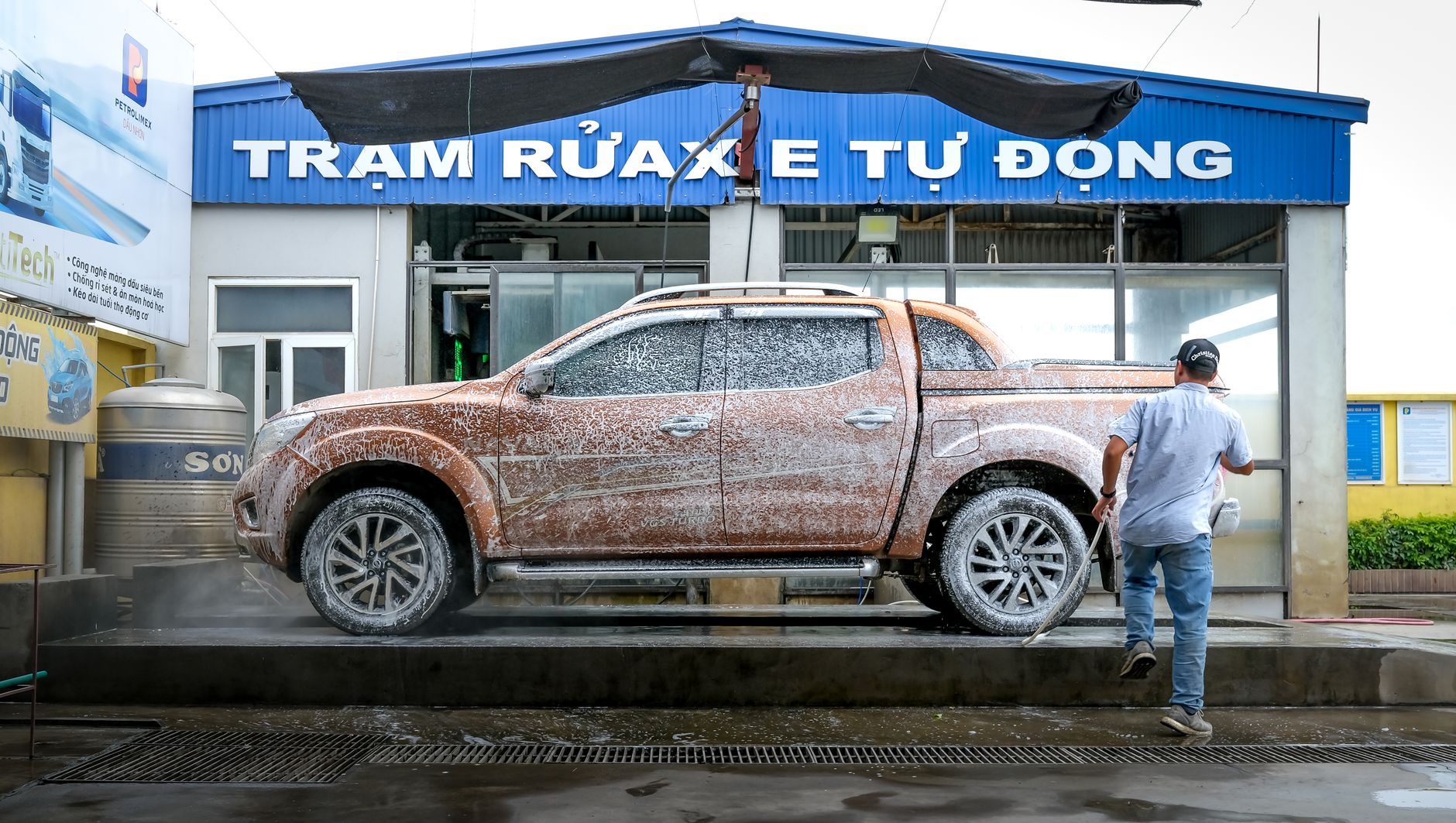
Photo by Quang Nguyen Vinh
Check the details before you leave
Search results can change, and business listings aren’t always updated immediately. Confirm the information before driving across town, particularly when you need a wash outside normal daytime hours.
Confirm hours and availability
Check the current opening hours on the business website, map listing, or phone recording. Look for holiday changes and the last entry time, not only the advertised closing time.
A wash may stop accepting vehicles before the main business closes. Self-service bays, vacuums, detailing lanes, or interior cleaning areas may also follow different schedules.
If you need a car wash near me late at night or early in the morning, check whether the facility specifically advertises extended or 24-hour access. Don’t rely on an old listing that only says open now.
Compare services and pricing
Review the package details before you choose. A basic exterior wash may not include wheel cleaning, hand drying, interior vacuuming, tire dressing, wax, or polish.
Pricing usually increases with the level of labor involved. Self-service is often the lowest-cost option, followed by automatic washing, full-service hand washing, and appointment-based mobile detailing. Add-ons and monthly memberships can change the final price.
Ask whether the listed price includes taxes, service fees, mat cleaning, or large-vehicle charges. A clear provider should explain the total before work begins.
Read recent reviews for useful details
Star ratings provide a quick impression, but recent written reviews offer better information. Look for repeated comments about long lines, poor drying, dirty equipment, soap residue, damaged brushes, or incomplete interior work.
Pay attention to how staff respond to complaints. Clean facilities, clear communication, and a fair rewash policy are strong signs of dependable service.
Reviews can also reveal changes in quality. A business may have new equipment, different staff, or a revised service menu, so recent feedback is more useful than comments from several years ago.
Check wait times and appointments
Tunnel washes can become busy after rain, during weekends, and around commuting hours. Full-service locations may also need extra time for vacuuming, hand drying, or interior detailing.
Use map activity, recent review comments, and the provider’s own booking system to estimate demand. If you have a fixed schedule, select a location that offers appointments or ask for the quietest visit time.
Automatic and self-service washes usually accept customers without appointments. Mobile detailing and more comprehensive hand services often need a reserved time slot.
Match the wash to your vehicle’s condition
The best wash depends on more than distance. Look at the type of dirt on the vehicle and the condition of the finish before selecting a service.
Light dust and normal road film
A standard automatic wash is suitable for routine dirt when speed is your main priority. A touchless option is a lower-contact choice if you want to reduce brush or cloth contact with the paint.
Self-service also works well for light dirt when you want to rinse the vehicle thoroughly before washing it. This can be useful after driving through dusty areas or around construction zones.
Mud, salt, and heavy wheel grime
Heavy dirt needs a proper pre-rinse. Self-service bays allow you to focus pressure on wheel arches, tires, lower doors, and other areas that collect grime.
A hand wash is a stronger option when mud has dried onto the paint or when the wheels need careful cleaning. Avoid rubbing heavy dirt across a dry surface. Loose grit can create fine marks when it moves across the clear coat.
Matte paint, new paint, and protective finishes
Matte and low-gloss paint need different care because polishing can change the appearance of the finish. PPG recommends hand washing with matte-specific soap, soft wash tools, two buckets, and microfiber drying in its matte finish care guide.
Newly painted or repaired panels also need special attention. Ask the body shop or paint provider when washing is safe, and follow their instructions instead of assuming every finish has the same curing period.
Vehicles with paint protection film, ceramic coatings, or other treatments may have product-specific washing recommendations. Confirm which soaps, brushes, drying methods, and waxes are approved before booking.
Protect the finish during washing
A quality wash begins with removing loose dirt before physical contact. The process should then move from cleaner upper panels to dirtier lower areas, with separate tools for wheels whenever possible.
The NHTSA-hosted matte paint recommendations advise wetting the bodywork thoroughly, using a soft sponge and neutral wax-free shampoo, and working from the top down. These basic practices are useful for many vehicles, not only matte finishes.
Don’t choose a brush-based automatic wash for a matte or low-gloss car. A touchless system is the safer automatic option, but hand washing gives the most control over pressure, products, and contact.
Avoid washing in extreme heat when possible. Hot panels can dry soap and water too quickly, leaving marks that require extra work to remove. Shaded work areas, fresh water, and careful drying all support a cleaner result.
Wax and polish also require attention. Traditional polishing can alter matte paint, while a suitable wax or protective product may improve gloss-finish protection. Ask what product will be used and whether it is compatible with your vehicle’s finish.
Prepare for a cleaner, faster visit
Remove personal items from the cabin before an interior service. Clear the floor area, take out child seats if the provider requires it, and tell the technician about stains, odors, fragile items, or areas that need extra attention.
For an exterior wash, close the windows and sunroof. Follow the facility’s instructions for neutral, brake operation, mirrors, antennas, and automatic wipers. These small steps help the service run smoothly and protect vehicle equipment.
Before leaving, inspect the lower doors, wheels, mirrors, glass, and rear of the vehicle. Check that the interior mats are dry and that no cleaning product remains on screens, pedals, or steering controls.
If something was missed, raise it before driving away. Professional providers that care about customer satisfaction should explain the issue and apply their stated rewash or correction policy.
Conclusion
The closest car wash isn’t automatically the best choice. Select an automatic wash for speed, a self-service bay for control, a hand wash for sensitive finishes, or mobile detailing when the vehicle needs more complete care.
Before you visit, verify current hours, total pricing, services, reviews, wait times, and appointment rules. A reliable car wash near me should offer clear information and a process that matches your vehicle’s condition.
A clean car looks better, but the right washing method also helps preserve the finish. Choose a provider that combines careful workmanship, suitable products, and consistent customer care.