
Last updated 16 October 2026 by Sammie O, owner of Bud Car Wash in Ras Al Khor Industrial Area 2, Dubai.
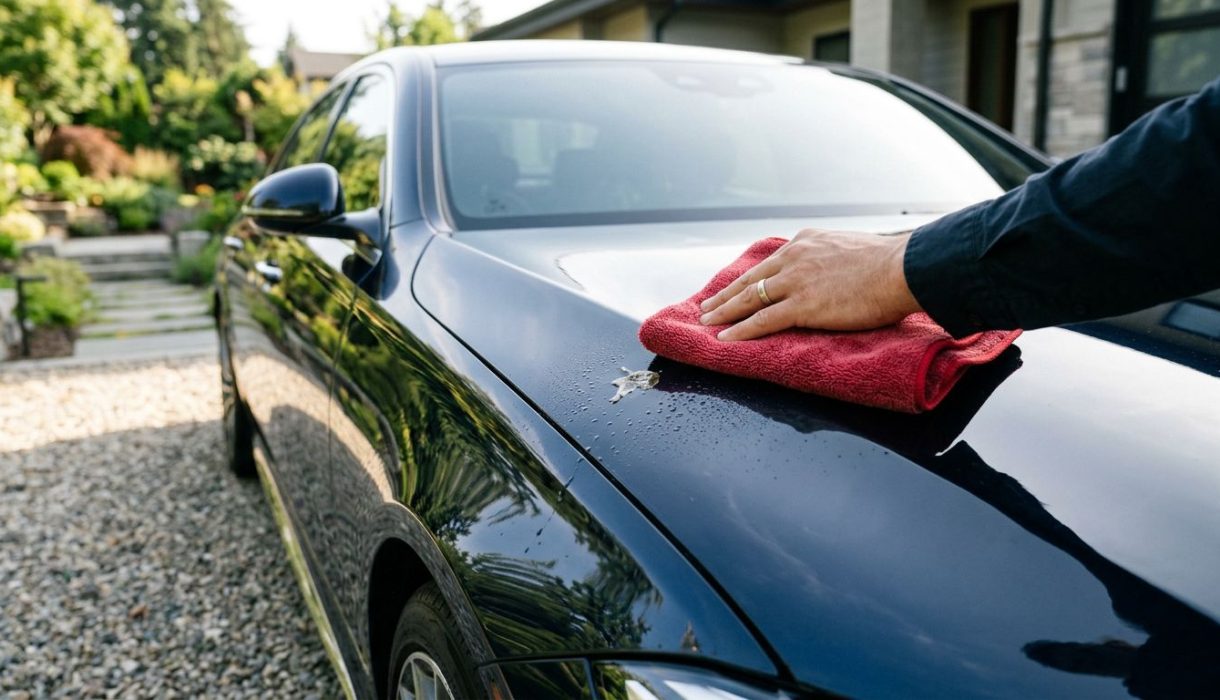
Maintain paint protection film between washes by rinsing away loose dirt and gently removing fresh contaminants with film-safe products. Never dry wipe dusty film, because trapped grit can scratch the surface.
Good PPF maintenance protects your vehicle’s appearance without unnecessary rubbing or repeated polishing. Bird droppings, insect residue, and tree sap need prompt attention, while widespread road dirt usually needs a proper wash.
Start with the care instructions for your film, then choose the gentlest cleaning method that suits the contamination.
Want us to do it instead?
We do paint protection film at our Ras Al Khor bay, 24 hours a day. Fill this in and we reply with a price and a time. The message writes itself, so you only tap send.
Would rather talk? Call +971 55 168 5050. Someone answers 24 hours.
Key Takeaways
- Rinse loose dust away before touching the film with a cloth.
- Soften bird droppings and insect residue before attempting removal.
- Use clean microfiber towels and products approved for your film.
- Avoid abrasive cleaners, stiff brushes, and repeated scrubbing.
- Arrange a full wash when dirt covers several panels or contamination won’t release gently.
Between-wash care should address individual marks safely. It shouldn’t become a shortcut for wiping down an entire dirty vehicle.
Follow Your Film Manufacturer’s Care Instructions
Paint protection films have different surface finishes and care requirements. Use the instructions supplied for your installed product rather than applying general paint-care advice to every panel.
Choose Products Suitable for Your Film
A cleaner designed for bare paint isn’t automatically suitable for PPF. Use a film-compatible cleaner at the dilution stated on its label.
Avoid abrasive compounds, scouring pads, household degreasers, and unapproved solvents. These products can affect the film’s finish or leave damage that ordinary washing won’t remove.
Keep the manufacturer’s guidance accessible. XPEL’s product care instructions are one example of a brand-specific resource for maintaining installed protection products.
Treat Gloss and Matte Finishes Differently
Gloss and matte films need products that preserve their intended appearance. A shine-enhancing treatment may leave an unwanted glossy patch on matte film.
Don’t add wax, polish, or a spray coating simply because it promises extra protection. Apply only treatments suitable for your film and finish. Newly installed film also needs its own aftercare routine before normal cleaning begins.
Handle Dust Without Dry Wiping
A dusty bonnet can look easy to clean with a quick cloth pass. That movement can drag fine sand across the film, especially after motorway driving or parking outdoors.

Rinse Before Contact
Use clean water to lift away loose particles before any wiping. Work on a cool panel in shade so water and cleaning solution don’t dry immediately.
If grit remains visible, continue rinsing or leave the panel for a proper wash. Don’t press a towel against stubborn particles.
A quick-detailing spray doesn’t make heavy dust safe to wipe. When several panels carry a sandy layer, use a full wash rather than repeated spot cleaning.
Keep Towels Clean and Contact Light
Use a soft, clean microfiber towel only after loose dirt has been removed. Keep pressure light and expose a fresh towel face frequently.
The 3M product care guidance recommends soft cleaning materials, clean water, and a soft microfiber towel for drying.
Keep wheel towels separate from film-care towels. If a towel falls onto the ground, remove it from the job. Shaking it out doesn’t reliably remove trapped grit.
Remove Bird Droppings Promptly and Gently
Bird droppings deserve attention before your next scheduled wash. Leaving them on the surface increases the risk of staining, particularly when the vehicle sits outside.
The 3M paint protection film brochure advises promptly washing off bird droppings, insect debris, and tree sap to help prevent stains.
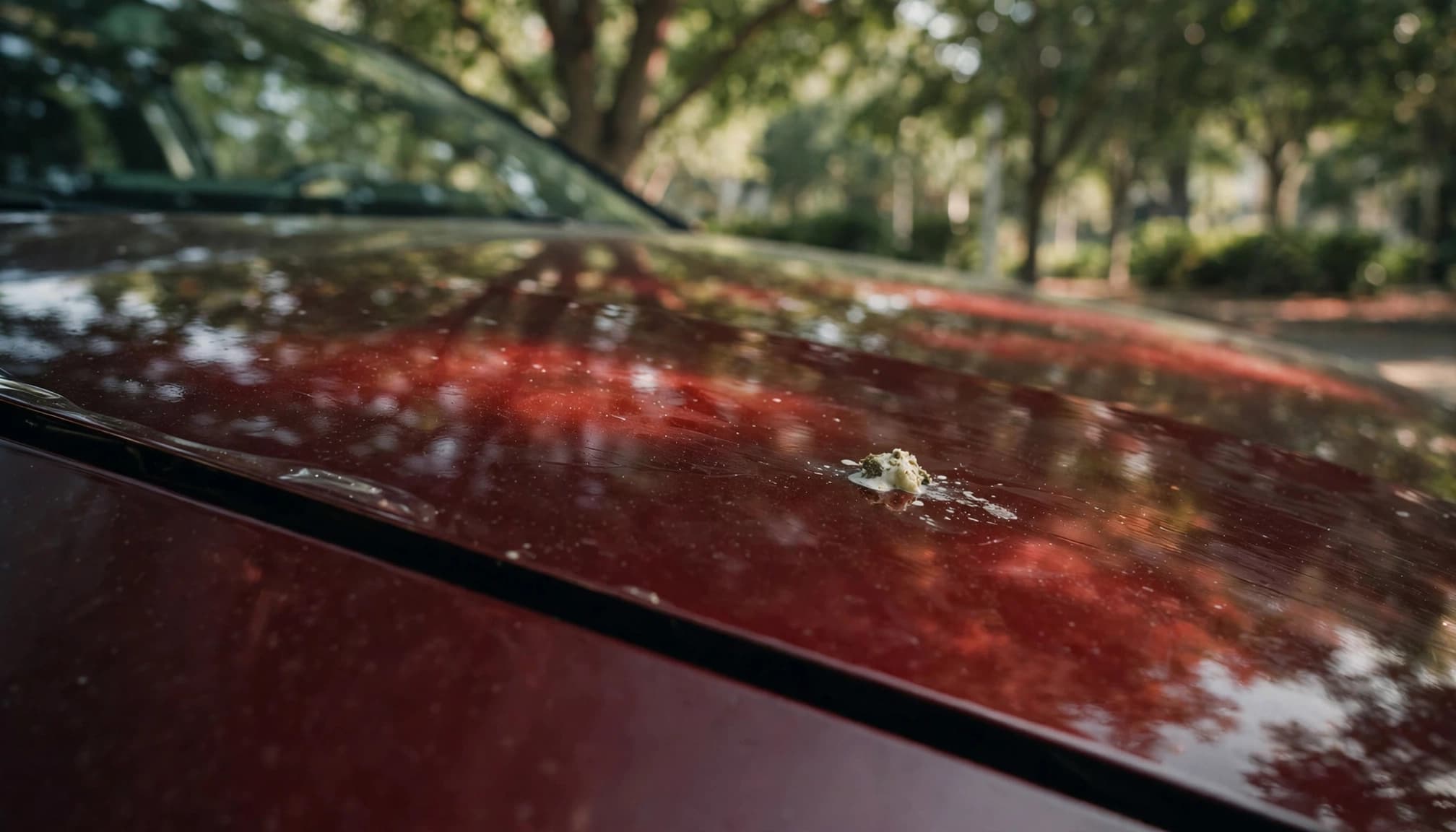
Use this gentle spot-cleaning sequence:
- Move the vehicle into shade and allow the affected panel to cool.
- Rinse the dropping with clean water without touching it.
- Wet the remaining deposit with a film-approved cleaner, following its directions.
- Allow the deposit to soften, keeping the area wet.
- Gently lift loosened residue with a clean microfiber towel, then rinse and dry lightly.
Don’t scrape dried material with a fingernail, plastic card, or stiff brush. Avoid grinding it into the surface with small, repeated circular movements.
If the deposit hasn’t released, soften it again rather than adding pressure. A remaining mark after cleaning needs assessment, not stronger scrubbing.
A cleaner surface can still show a stain. Once the deposit is gone, repeated rubbing may damage the film without removing the mark.
Treat Bugs, Sap, and Water Spots Carefully
Different contaminants need different treatment. A single aggressive cleaner isn’t a suitable solution for every mark on protected paint.
Soften Insect Residue After Long Drives
Insect residue commonly collects around the front bumper, bonnet, and mirrors. Address fresh deposits when you stop somewhere suitable, rather than allowing them to remain throughout a trip.
Rinse first, then use a film-compatible cleaner to soften the residue. Lift it gently with a clean towel and rinse away the cleaning solution.
Avoid rough insect-removal sponges unless the film manufacturer approves them. Their scrubbing action can affect the surface finish.
Avoid Scraping Tree Sap
Fresh sap needs prompt attention, but sticky residue can tempt you to rub harder. Keep pressure light and use only a cleaner approved for the film.
Don’t reach for petrol, household adhesive remover, or an unapproved solvent. If sap has hardened or remains firmly attached, arrange professional removal rather than attempting repeated chemical treatments.
Dry Clean Water Before It Leaves Marks
After rain, a rinse, or an accidental sprinkler splash, don’t automatically wipe the panel dry. Water may sit over dust that still needs rinsing away.
Once the surface is clean, dry it gently with a soft microfiber towel. Avoid household limescale removers or improvised acidic mixtures on existing spots. Persistent marks need a film-safe treatment selected for the installed product.
Keep a Small Care Kit Ready for Travel
A compact kit makes prompt cleaning easier during long drives and overnight stops. Carry clean water, a film-approved cleaner in its labelled container, and several clean microfiber towels.
Store towels in a sealed bag or clean box. Keep used towels separate so residue doesn’t transfer back onto the vehicle. Follow the cleaner’s storage instructions, particularly when your car will remain parked in hot weather.
On car-based holidays, such as exploring Muscle Shoals by road, keep the kit accessible rather than underneath luggage.
Choose a safe parking area before inspecting or cleaning the vehicle. A dirty panel isn’t a reason to stop on a motorway shoulder.
At overnight stops, look for bird droppings, insects, and sticky deposits before leaving the vehicle parked. Avoid parking beneath sap-producing trees when another suitable space is available. Shade is useful, but overhead branches can introduce additional contamination.
If you’re leaving the car at an airport or railway station, remove fresh contaminants before departure. This reduces the time deposits remain on the film while you’re away.
Know When Spot Cleaning Should Stop
Spot care works for isolated contamination on an otherwise clean surface. It becomes less suitable when road grime, mud, or sand covers several panels.
Arrange a proper wash when a towel quickly becomes dirty, the surface still feels gritty after rinsing, or residue requires repeated attention. Don’t keep treating the same area with stronger cleaners.
SunTek’s paint protection film guidance recommends hand washing with soap and water when needed. It also distinguishes gloss-film care, including non-abrasive wax, from general cleaning.
Our manual car wash starts at AED 40. Tell us which panels have film and share the manufacturer’s care instructions so the cleaning requirements are clear.
After cleaning, look for lifted edges, tears, or persistent discoloration. Don’t pick at loose edges or attempt to trim the film yourself. Visible film damage needs professional assessment before further treatment.
Frequently Asked Questions About PPF Maintenance
Can I Use Water Alone for a Quick Clean?
Clean water can remove loose dust and help soften fresh contamination. It won’t reliably remove every oily or sticky deposit.
If residue remains, use a film-approved cleaning product rather than applying more wiping pressure. Rinse off the cleaner as directed.
Does Film Need Wax After Every Spot Clean?
No. Removing a bird dropping or insect deposit doesn’t mean the panel needs another protective treatment.
Keep routine cleaning separate from waxing or coating maintenance. Apply those products only when appropriate for your film, finish, and existing surface treatment.
Should I Clean Film While the Panel Is Hot?
Allow the panel to cool before spot cleaning. Hot surfaces can dry water and cleaning solution before you’ve finished removing the contamination.
Move into shade where practical. Work on a manageable area and don’t allow cleaner to dry on the film.
What If I Only Have a Dry Cloth Available?
Don’t use it to wipe dusty film or scrub a dried deposit. Leave ordinary dust until suitable cleaning supplies are available.
For bird droppings or another fresh contaminant, arrange access to clean water and a film-safe cleaner promptly. Avoid substituting tissues, paper towels, or clothing.
Protect the Film With Gentle, Timely Care
Effective between-wash care depends on prompt removal and light contact. Rinse away loose grit, soften fresh deposits, and use clean materials suited to your film.
Keep spot cleaning limited to manageable contamination. When dirt is widespread or a mark won’t release gently, a proper wash or professional assessment is the safer next step.
Get a price on paint protection film
Shop #7, 44, 22nd Street, Ras Al Khor Industrial Area 2, open 24 hours. Tell us the car and we reply with a price and a time.
Would rather talk? Call +971 55 168 5050. Someone answers 24 hours.
See us first on Google
Google lets you choose the sites you want to see more of. Add Bud Car Wash as a preferred source and our car care guides show up more often in Top Stories and in Google’s AI answers.
Opens Google in a new tab. You can remove us again at any time.

Sammie O is the owner of Bud Car Wash, a 24 hour hand car wash and detailing shop at Shop #7, 44, 22nd Street, Ras Al Khor Industrial Area 2, Dubai. He writes the car care guides on this site based on work done in his own bay.
View All Articles