Last updated 15 August 2026 by Sammie O, owner of Bud Car Wash in Ras Al Khor Industrial Area 2, Dubai.
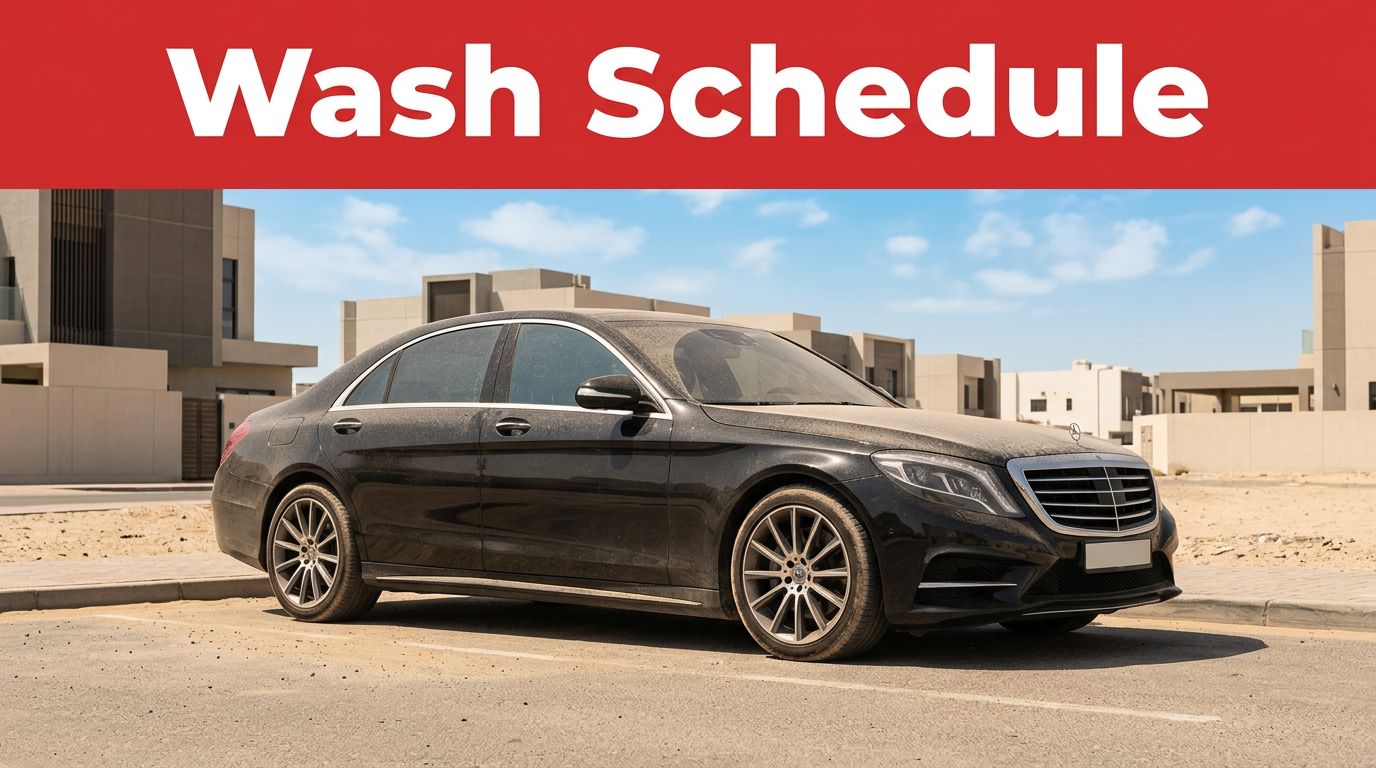
Your car’s paint faces more than everyday dirt. Dubai’s sun, dust, sand, road debris, bird droppings, and frequent highway driving can affect the finish over time.
Choosing paint protection film, a vinyl wrap, or a ceramic coating depends on the result you want. PPF offers physical protection, wraps change the vehicle’s appearance, and coatings make the surface easier to clean. Knowing the difference helps you choose a service that fits your vehicle, driving habits, and budget.
What paint protection film does for your vehicle
Paint protection film is a clear, flexible layer installed over painted panels. Most automotive films use thermoplastic urethane, which creates a physical barrier between the paint and common road hazards.
The front bumper, hood, fenders, mirror caps, and headlights usually receive the most impact. These areas can collect stone chips, small scuffs, insect residue, and road debris. A quality film helps reduce this damage and keeps the original paint in better condition.
Many premium products include a self-healing top layer. Minor surface marks may reduce when exposed to suitable heat, depending on the film’s design and the manufacturer’s instructions. This feature doesn’t repair deep cuts, paint damage, dents, or damage that reaches through the film.

The film’s appearance can be clear, glossy, satin, or matte. Some products are also made for specific surfaces, including certain metal trim areas. You can review XPEL’s paint protection film information to see how product coverage and applications can differ.
Partial coverage or full-body PPF?
A full-front package is a practical choice for many drivers. It commonly covers the front bumper, partial or full hood, front fenders, and mirror caps. Exact coverage depends on the installer and the vehicle pattern.
Full-body PPF offers wider protection but costs more because it requires more material, preparation, and installation time. It can suit luxury vehicles, high-performance cars, new vehicles, and cars that spend many hours on highways or outdoors.
PPF is not invisible in every situation. Edges, seams, dirt buildup, and installation marks can appear when the work is rushed or the panels aren’t prepared correctly. Installer skill matters as much as the film itself.
How paint protection film compares with wraps and coatings
These products can all improve a vehicle’s finish, but they are designed for different jobs.
| Feature | Paint protection film | Vinyl color-change wrap | Ceramic or paint coating |
|---|---|---|---|
| Main purpose | Protect paint from chips and light impact | Change color, finish, or style | Add gloss, water repellency, and surface resistance |
| Impact protection | Strongest of the three, with limits | Limited protection | Minimal impact protection |
| Appearance | Clear, satin, or matte options | Wide range of colors and finishes | Keeps the existing paint visible |
| Cleaning benefit | Easier maintenance with proper washing | Depends on the vinyl finish | Water and dirt may release more easily |
| Repair approach | Damaged sections can be replaced | Damaged sections may need re-wrapping | Coating may need polishing and reapplication |
A vinyl wrap is a thin decorative covering, usually made from PVC. It can change a white car to a deep green, add a satin finish, or create a temporary visual update without repainting the entire vehicle. It may protect against light marks and weather exposure, but it isn’t designed to absorb stone impacts in the same way as PPF.
A ceramic coating is a liquid product that cures on the paint and creates a slick, protective surface. It can improve gloss, water behavior, and resistance to certain contaminants. It doesn’t form a thick physical shield, so it won’t stop a stone chip or prevent every scratch.
A coating can sometimes be installed over PPF when the coating manufacturer approves that application. XPEL addresses this combination in its FAQ about ceramic coating over PPF. The coating may improve cleaning and gloss, but it doesn’t replace the film’s physical protection.
Which option suits your vehicle in Dubai?
Choose PPF for impact protection
PPF is the stronger choice when protecting the original paint is your first priority. It suits drivers who use highways often, park outdoors, own a new vehicle, or want to reduce visible chips on the front end.
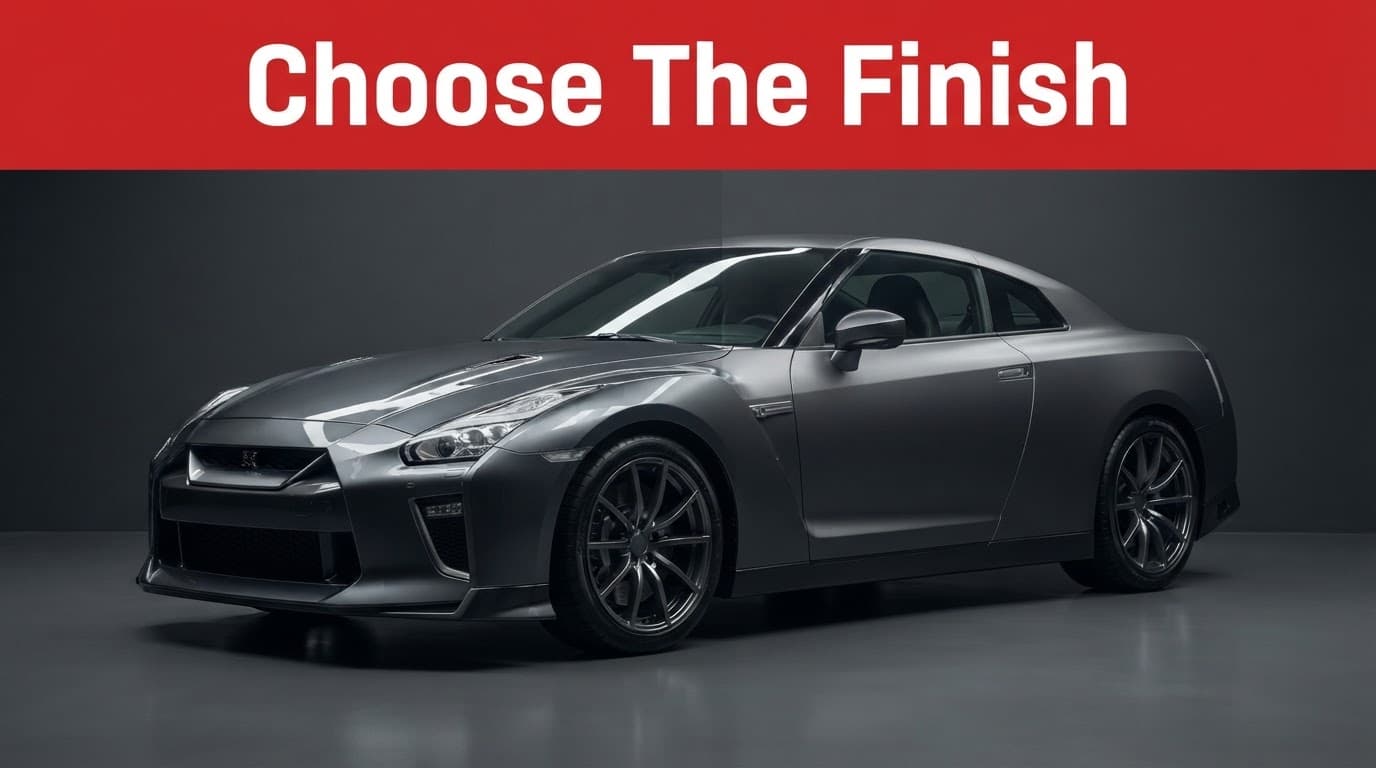
Dark colors can make stone chips and light scratches easier to notice. A clear film helps preserve the factory finish without changing the car’s original color. Matte PPF can also alter a glossy finish, so confirm the final appearance before installation.
A partial installation may provide practical protection without the cost of covering every panel. Full-body coverage makes more sense when the vehicle has a high-value finish or the owner wants consistent protection across the exterior.
Choose a vinyl wrap for a new appearance
A wrap is mainly an appearance service. It provides more color and texture choices than clear PPF, including satin, gloss, metallic, and specialty finishes.
Wraps are useful when you want to update the vehicle’s style while keeping the original paint underneath. The existing paint must be in suitable condition because vinyl can show dents, peeling clear coat, and deep scratches instead of hiding them.
Wrap quality, film condition, installation, sun exposure, and washing habits all affect how long the finish looks good. In Dubai’s heat, correct installation and careful aftercare are especially important.
Choose ceramic coating for easier upkeep
A ceramic coating suits a vehicle with good paint that needs easier cleaning and a refined gloss. Its water-repellent surface can help dust, water marks, and daily contaminants release more easily during a careful wash.
Coating is not a substitute for PPF on impact areas. Many owners use PPF on the front end and a compatible coating on the remaining painted panels. This combination can offer physical protection where impacts are common and easier maintenance across the rest of the vehicle.
Pricing, durability, and preparation
There is no single price for PPF, wrapping, or coating. Quotes vary according to the vehicle’s size and shape, the amount of coverage, product quality, paint condition, installer experience, and warranty terms.
A full-body PPF quote should not be compared directly with a full-body wrap or a coating package. The services use different materials and require different preparation. Paint correction, decontamination, trim removal, edge finishing, and repairs to existing damage may affect the final price.
Durability also depends on use and care. Dubai’s heat, strong UV exposure, outdoor parking, sand, washing methods, and annual mileage can affect the finish. A manufacturer’s stated warranty is useful, but read the exclusions. Some warranties cover issues such as yellowing, cracking, peeling, staining, or bubbling, while others have different conditions.
Ask whether the quoted price includes paint preparation, panel removal, edge wrapping, aftercare products, and future repair work. A lower quote may cover fewer panels or provide less preparation.
Questions to ask an installer before booking
A professional consultation should give you clear answers before any material is applied. Ask these questions:
- Which exact film, wrap, or coating model will you install, and what warranty applies?
- Which panels are included in the quote, and are the edges wrapped or left visible?
- Will you use a pre-cut pattern, hand trimming, or a combination of both?
- What preparation is included if the paint has scratches, chips, oxidation, or previous repairs?
- How do you handle repainted panels, damaged clear coat, badges, sensors, and delicate trim?
- How long will installation take, and how long should the vehicle remain dry afterward?
- Which washing products and methods are approved after the service?
- What does the warranty exclude, and who handles a warranty inspection or repair?
- Can you show recent work on a similar vehicle, including close-up images of edges and corners?
- If I choose a coating over PPF or vinyl, has the combination been approved by the product manufacturer?
The installer should explain the limitations as clearly as the benefits. Be cautious when a service is presented as permanent, scratch-proof, or maintenance-free.
Caring for PPF, wraps, and coatings
After installation, follow the recommended cure time before washing the vehicle. Avoid automatic brushes and harsh chemicals that can mark vinyl, weaken edges, or reduce the finish of a coating.
Use a clean wash mitt, a pH-neutral car shampoo, and separate tools for the wheels and painted panels. Rinse away sand before wiping, since dry particles can create fine marks. Don’t direct high-pressure water at exposed film edges or lifting areas.
Bird droppings, insect residue, and strong chemicals should be removed promptly. Use only products approved for the installed material. Regular professional washing and periodic inspections help identify lifting, staining, or damage before it spreads.
No protective product removes the need for sensible care. Shade, clean washing methods, and correct maintenance give the film, wrap, or coating a better chance of reaching its expected service life.
Conclusion
Paint protection film is the right choice when physical protection matters most. Vinyl wrapping is better for a controlled color or finish change, while ceramic coating improves gloss and makes routine cleaning easier.
Your vehicle’s use should guide the decision. Consider the driving environment, outdoor parking, paint condition, desired appearance, coverage level, and aftercare before accepting a quote. The best result comes from matching the product to the job and choosing an installer who explains both performance and limitations clearly.