
Last updated 20 August 2026 by Sammie O, owner of Bud Car Wash in Ras Al Khor Industrial Area 2, Dubai.
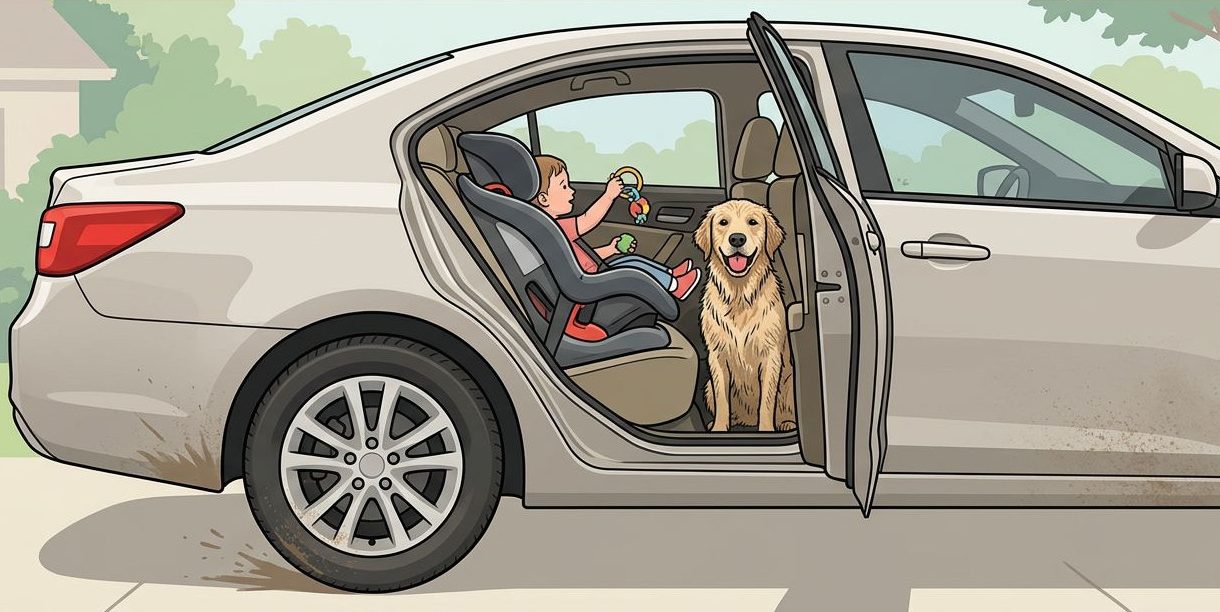
One spilled drink, a muddy shoe, or a wet dog can change a clean family car in minutes. With children and pets sharing the vehicle, a normal car wash routine often isn’t enough.
The right car wash frequency depends on how often you drive, where you park, the local weather, and the type of mess your vehicle handles. A simple schedule keeps dirt, odors, pet hair, and stains under control without turning car care into another full-time job.
Want us to do it instead?
We do manual car wash at our Ras Al Khor bay, 24 hours a day. Fill this in and we reply with a price and a time. The message writes itself, so you only tap send.
Would rather talk? Call +971 55 168 5050. Someone answers 24 hours.
Key Takeaways
- Wash the exterior every one to two weeks when the vehicle faces regular dust, sand, or heavy family use.
- Reset the interior weekly, with quick cleaning after spills, muddy trips, and pet transport.
- Remove bird droppings, tree sap, mud, and sugary drinks as soon as possible.
- Use products made for automotive surfaces, and always follow your vehicle and child-seat manufacturer’s care instructions.
- Professional interior detailing every one to three months helps manage buildup that home cleaning misses.
Why Families Need a Different Car Wash Frequency
A family car collects more than road dust. Crumbs settle under child seats, sticky fingerprints cover door panels, and sand works into floor mats. Pets add hair, dander, muddy paw prints, and odors that can remain even after a quick vacuum.
The number of passengers also matters. A vehicle used for school runs, grocery trips, sports practice, and weekend outings gets much more interior contact than a car used for occasional commuting. Short trips create frequent opening and closing, so the door panels and seat edges often need attention before the exterior looks dirty.
Weather adds another factor. Families in Dubai and other dusty, hot areas may need to wash more often because fine dust settles quickly on paint and glass. Sand can collect around seals, mats, and seat rails. Humidity after a wet outing can also make pet odors and damp fabric more noticeable.
A clean car is easier to maintain when small messes are handled early. Dried mud takes more effort to remove than fresh mud. A spilled soft drink can leave a sticky film on the console, while pet hair becomes harder to lift after it is pressed into upholstery.
The best schedule is based on vehicle use and mess level, not on a fixed date alone.
Exterior protection matters as well. Dust, road film, bird droppings, and tree sap can affect the finish when they stay on the surface for too long. Regular washing removes the buildup before it becomes harder to clean or requires more aggressive treatment.
A Practical Car Wash Schedule for Busy Families
Most family vehicles need an exterior wash every one to two weeks. Weekly washing is a practical choice for daily drivers exposed to dust, sand, rain, bird droppings, or outdoor parking. Every two weeks can work for a lightly used car that stays covered and has limited exposure.
The interior usually needs a faster weekly reset. Vacuum the main seating area, remove rubbish, shake out the mats, and wipe high-contact surfaces. This does not need to be a full detail. Ten to fifteen minutes can prevent small messes from becoming a larger cleaning project.
Use this schedule as a starting point, then adjust it to match your household:
| Vehicle use or condition | Recommended care |
|---|---|
| Daily school runs and pet transport | Exterior wash every 1 to 2 weeks, interior reset weekly |
| Regular dust, sand, or outdoor parking | Weekly exterior wash and frequent mat cleaning |
| Occasional family use with little dirt | Exterior wash every 2 to 4 weeks, interior reset every 1 to 2 weeks |
| Muddy sports, beach trips, or wet pets | Clean mats and affected surfaces the same day |
| Food, milk, juice, or soft drink spill | Blot and clean immediately, then inspect for odor |
| Heavy pet hair or interior odor | Professional interior cleaning every 1 to 3 months |
| Wax or paint protection treatment | Follow the product or service provider’s recommended interval |
A professional car wash every two to four weeks is useful for families who don’t have time to clean both the cabin and exterior properly. An exterior wash removes road film and dust, while an interior service reaches seat gaps, floor edges, vents, and other areas that a quick home clean often misses.
Waxing and polishing should follow the product used and the condition of the paint. These services aren’t needed at every wash. A professional inspection can help decide whether the vehicle needs a protective wax, light polish, or a more complete paint-care service.
The schedule should become more frequent after high-mess activities. A beach day, hiking trip, pet grooming appointment, or rainy sports weekend can create more buildup than several normal commutes.
Between-Wash Habits That Control Family Messes
Regular washing works best when paired with small cleaning habits between appointments. Keep a small vehicle kit with microfiber cloths, a soft brush, disposable gloves, rubbish bags, and a suitable interior cleaner. Store products securely so they don’t become loose items during travel.
Crumbs: Remove food waste after each longer trip. Use a narrow vacuum attachment around seat rails, cup holders, door pockets, and the edges of child seats. A soft detailing brush can loosen crumbs from textured plastic before vacuuming.
Mud: Let heavy mud dry enough to lift without spreading it across the carpet, then remove loose pieces with a brush or vacuum. For fresh mud on rubber mats, take the mats out and rinse them with water. Allow them to dry fully before placing them back inside.
Pet hair: Vacuum slowly in different directions instead of making one quick pass. A rubber pet-hair brush or slightly damp rubber glove can gather stubborn hair from fabric seats and carpet. Test any tool on a hidden area first, especially on delicate upholstery.
Odors: Remove the source before using an air freshener. Empty food containers, damp towels, pet bedding, and wet mats can all create lingering smells. Ventilate the cabin and dry damp materials completely. Air freshener may cover an odor, but it won’t remove the material causing it.
Accidental spills: Blot liquid with a clean microfiber towel. Don’t rub a spill deeper into the fabric, and don’t flood the area with cleaner. Use a small amount of an automotive upholstery product, then blot again with a clean, lightly damp cloth if the product instructions allow it.
Milk, juice, and soft drinks deserve prompt attention because residue can become sticky and attract dirt. If a spill reaches a seat belt, electrical switch, air vent, or child-seat buckle, avoid soaking the area and check the vehicle or restraint manufacturer’s instructions.
Place a washable mat or cargo liner under a pet carrier. A seat protector can also help with hair and wet paws, but it must fit safely and must not interfere with seat belts, airbags, or a child restraint.
Safe Interior Cleaning for Seats, Mats, and Trim
Automotive interiors use different materials, so one product shouldn’t be used across every surface. Check the owner’s manual before cleaning, especially when the vehicle has leather, suede-like upholstery, perforated seats, screens, or special coatings.
Use a clean microfiber cloth for dashboards, door panels, and hard trim. Apply cleaner to the cloth instead of spraying directly onto the surface. This helps prevent liquid from reaching buttons, speakers, vents, screens, and electrical connections.
For fabric seats and carpets, vacuum first. Apply a fabric cleaner sparingly and follow its directions. Avoid saturating foam, because trapped moisture can create odors and may take a long time to dry. Work in a small area and test the product on a hidden section before treating a visible stain.
Leather needs a cleaner made for automotive leather. After cleaning, use a compatible conditioner only if the manufacturer recommends it. Do not use household polish, cooking oils, or strong solvents. They can leave a greasy surface, affect the finish, or make the seat harder to clean later.

Photo by Ariyo
Clean rubber and all-weather mats separately from carpet mats. Remove them from the vehicle, brush away loose dirt, wash them with a suitable cleaner, and dry them before reinstalling. Carpet mats need thorough vacuuming and careful spot cleaning.
Glass requires a cleaner suitable for automotive windows. Use a separate cloth for glass to avoid transferring interior dressing onto the surface. Take extra care around window tint and follow the tint manufacturer’s cleaning guidance.
Avoid bleach, abrasive powders, harsh degreasers, and excessive steam unless the surface and vehicle manufacturer allow them. Never apply dressings or cleaners to child-seat harness straps. Clean child restraints according to the seat manufacturer’s manual, since the wrong product can affect the strap material.
When Professional Interior Detailing Is Worth It
A professional interior detail is useful when normal weekly cleaning no longer restores the cabin. It can help with embedded pet hair, stained upholstery, heavy dust, neglected floor mats, and odors that remain after the source has been removed.
Families often benefit from booking a detailed clean every one to three months. Vehicles carrying pets daily, transporting young children, or operating in dusty conditions may need the shorter interval. A less-used vehicle may only need this service twice a year.
Choose a service that explains what it will clean. A comprehensive appointment should cover the seats, carpets, mats, dashboard, doors, cup holders, storage areas, and hard-to-reach gaps. Ask which products are used on leather, fabric, plastic, and screens.
A service such as Bud Car Wash can combine an exterior wash with interior detailing, which saves time for busy households. Wax-and-polish treatments also help refresh the paint after repeated exposure to dust and road grime. Eco-friendly products and careful application are valuable when children and pets regularly use the vehicle.
Before handing over the car, remove personal items and point out specific concerns. Mention a milk spill, pet odor, stained seat, or sticky console so the team can give that area suitable attention.
Conclusion
A family car doesn’t need a full detail after every school run, but it does need consistent care. Weekly interior resets, exterior washing every one to two weeks, and immediate attention to spills and mud create a practical routine for most households.
Adjust the schedule for dust, sand, pets, weather, and daily mileage. With the right products and regular cleaning, your vehicle stays fresher, more comfortable, and easier to protect.
Get a price on manual car wash
Shop #7, 44, 22nd Street, Ras Al Khor Industrial Area 2, open 24 hours. Tell us the car and we reply with a price and a time.
Would rather talk? Call +971 55 168 5050. Someone answers 24 hours.
See us first on Google
Google lets you choose the sites you want to see more of. Add Bud Car Wash as a preferred source and our car care guides show up more often in Top Stories and in Google’s AI answers.
Opens Google in a new tab. You can remove us again at any time.

Sammie O is the owner of Bud Car Wash, a 24 hour hand car wash and detailing shop at Shop #7, 44, 22nd Street, Ras Al Khor Industrial Area 2, Dubai. He writes the car care guides on this site based on work done in his own bay.
View All Articles