
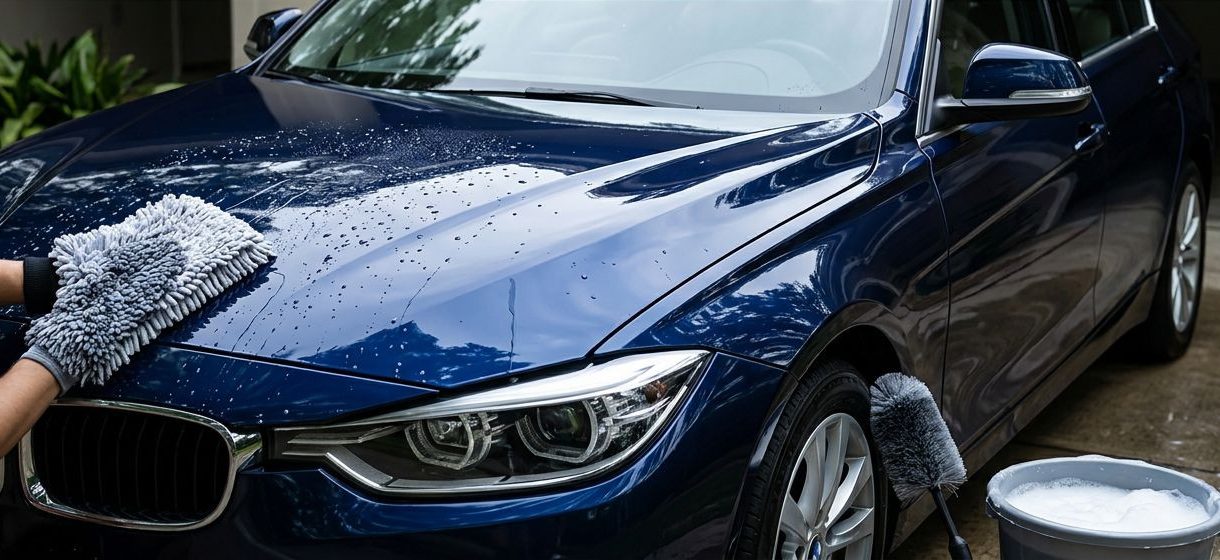

Last updated 4 August 2026 by Sammie O, owner of Bud Car Wash in Ras Al Khor Industrial Area 2, Dubai.
A spotless car can still carry the first signs of paint damage. A manual car wash gives you control over the water, tools, and pressure used on every panel, which matters when dust and sand are sitting on the paint.
The process is simple, but the order matters. Use clean microfiber towels, wash from top to bottom, work in the shade, and keep wheel dirt away from bodywork. Here is a practical process for a cleaner finish with fewer swirl marks.
Want us to do it instead?
We do manual car wash at our Ras Al Khor bay, 24 hours a day. Fill this in and we reply with a price and a time. The message writes itself, so you only tap send.
Would rather talk? Call +971 55 168 5050. Someone answers 24 hours.
Why Choose a Manual Car Wash?
A manual wash gives each part of your vehicle the attention it needs. You can rinse away loose grit before touching the paint, use separate tools for the wheels, and check areas that automatic machines often miss.
Automatic washes are convenient, but many use rotating brushes or cloth strips. If those materials carry dirt from another vehicle, the particles can move across your clear coat. The result may appear as fine circular marks under strong light.
Touchless systems reduce direct contact, but they often depend on stronger cleaning chemicals and high water pressure. They can be useful for removing loose dirt, but they don’t always provide the same finish as careful hand washing.
A manual car wash isn’t automatically paint-safe. A dirty sponge, a single bucket, or an old towel can create more damage than a well-maintained automatic system. The quality of the tools and the washing method matter more than the label.
The biggest risk during a hand wash is often trapped grit, not the shampoo itself. A towel or mitt that carries sand can scratch the paint on every pass.
Equipment for a Paint-Safe Hand Wash
Good results start with the right equipment. You don’t need a large collection of detailing products, but every item that touches the paint should be clean and suitable for automotive use.
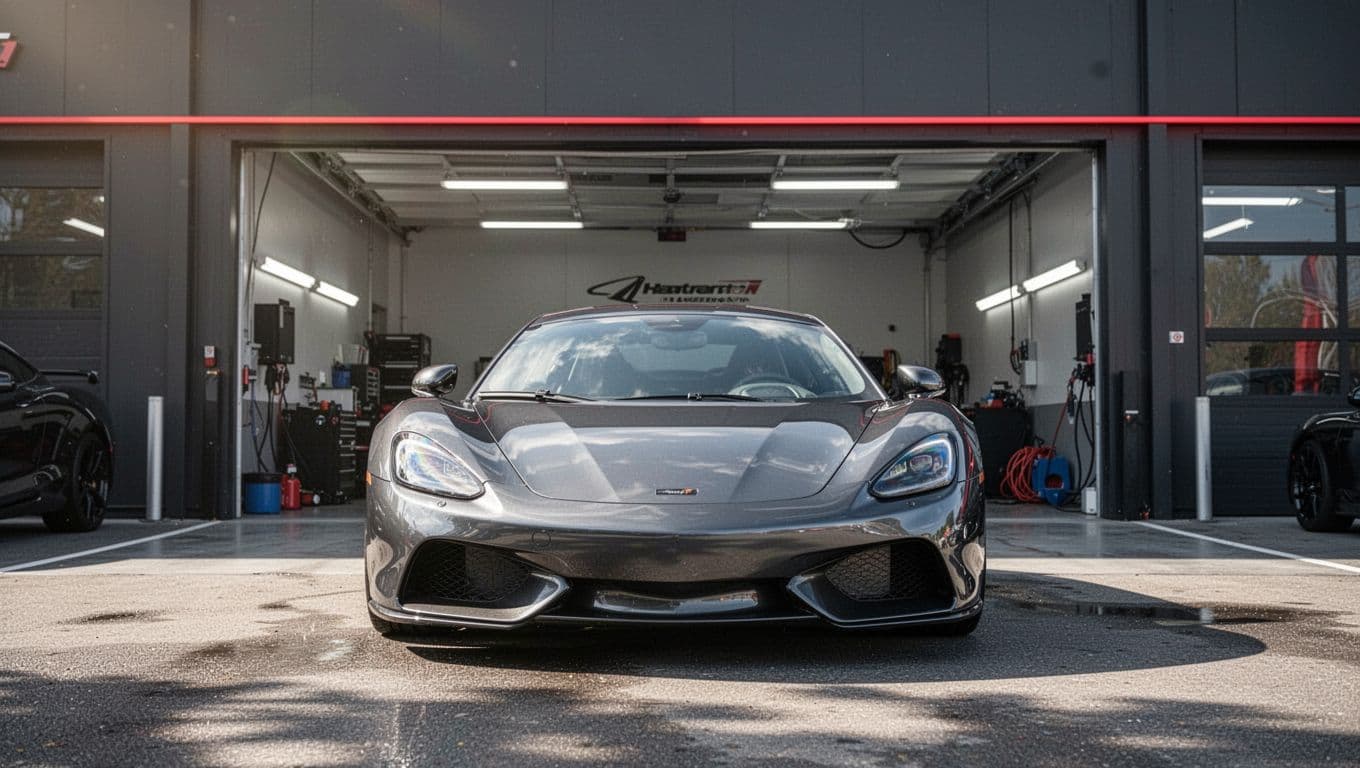
Choose the following basic supplies:
- A pH-balanced car shampoo is designed for painted surfaces and existing wax or sealant.
- Two buckets keep your wash water separate from the water used to rinse the mitt.
- A microfiber wash mitt lifts dirt with less friction than a rough sponge.
- Separate wheel brushes and towels stop brake dust from reaching the body panels.
- Large, clean microfiber drying towels remove water without the rough texture of household fabric.
A grit guard at the bottom of each bucket adds another layer of control. It helps keep heavier particles below the water line while you rinse the mitt.
Avoid dish soap, household cleaners, abrasive sponges, and old bath towels. These products may strip protective finishes, leave residue, or hold particles against the paint. Keep your microfiber towels away from the floor, wheels, and engine bay.
Step-by-Step Guide to Washing Your Vehicle
The safest process is controlled and consistent. Rushing across the paint creates friction, while working in the correct order keeps dirt moving away from clean areas.

1. Choose shade and let the car cool
Don’t wash in direct sunlight. Water and shampoo can dry quickly on hot panels, leaving mineral spots and soap marks behind.
Park in a shaded area and touch the bonnet or roof before you begin. If the surface feels hot, wait until it cools. Prepare your buckets, mitts, and towels before opening the water so the car isn’t left wet while you search for equipment.
2. Clean the wheels first
Wheels collect brake dust, road grit, and oily dirt. Clean them before the painted panels so splashes don’t soil a freshly washed body.
Use a separate bucket, mitt, and brush for the wheels. Work on one wheel at a time, rinse the tools often, and clean the tires and wheel wells as needed. Never bring a wheel brush back to the roof or doors.
If the wheels are hot after driving, allow them to cool before applying cleaner. Follow the product directions and rinse thoroughly.
3. Pre-rinse the entire vehicle
Start with a generous rinse to remove loose dust and sand. Begin at the roof and let water carry dirt downward. Give extra attention to lower doors, bumpers, and the rear of the vehicle.
Don’t scrub dry or heavily dusty paint. Rubbing before the surface is rinsed can drag abrasive particles across the clear coat. A pre-rinse won’t remove every mark, but it reduces the amount of dirt your mitt needs to handle.
Use moderate pressure and avoid holding a spray nozzle close to seals, badges, sensors, and damaged paint.
4. Use the two-bucket method from top to bottom
Fill one bucket with clean water and the other with diluted car shampoo. Dip the microfiber mitt into the shampoo, wash one small section, then rinse the mitt in the plain-water bucket before returning to the soap.
Start with the roof, windows, bonnet, and upper doors. Move to the trunk and lower body panels last because they usually hold the most dirt. Wash in straight, gentle passes rather than pressing hard or scrubbing in tight circles.
Rinse the mitt after each section. If it falls on the ground, replace it or wash it thoroughly before using it again. A fresh mitt is cheaper than correcting scratches later.
Keep the surface wet while you work. If shampoo begins to dry, rinse that section before continuing.
5. Rinse and dry without dragging dirt
Rinse from the roof downward until no shampoo remains. Open the doors briefly to rinse the edges, then close them before drying the exterior.
Use a clean microfiber drying towel. Lay it flat and gently pull it across the panel, or blot the water with light pressure. Don’t use one small towel for the whole vehicle if it becomes wet or visibly dirty.
Dry the mirrors, grille, door handles, lights, and panel gaps. Water trapped in these areas can run onto clean paint after you finish. A final inspection in good light helps you find missed spots before they become dried water marks.
Common Causes of Swirl Marks and Paint Damage
Swirl marks usually come from repeated contact with dirt under pressure. They may be difficult to see in the shade, then become obvious beneath parking lights or direct sunlight.
Safe practices keep the paint lubricated, clean, and free from unnecessary friction. Damage often begins when one of these habits is used:
- Washing the whole car with one bucket allows dirt to return to the paint.
- Using a dirty microfiber towel spreads grit across several panels.
- Scrubbing bird droppings, bugs, or dried sand without soaking them first increases friction.
- Washing in direct sunlight allows shampoo and hard-water droplets to dry on the surface.
- Cleaning the wheels with the same mitt used on the body transfers abrasive brake dust.
- Pressing hard or using circular scrubbing motions can create visible marks in the clear coat.
- Drying with an old T-shirt, rough cloth, or towel that has touched the ground can scratch delicate surfaces.
Bird droppings and bug residue should be softened with water or a suitable cleaner before removal. Let the product loosen the contamination, then lift it away with a clean microfiber towel. Never scrape these marks with a card, blade, or fingernail.
A clean towel isn’t defined by its appearance alone. Wash microfiber separately from cotton items, avoid fabric softener, and inspect each towel before it touches the car.
When Professional Hand Washing Makes Sense
A home manual car wash works well when you have shade, clean water, suitable products, and enough time to complete the process without rushing. It is a practical option for regular maintenance and light to moderate dirt.
Professional service is more convenient when the vehicle has heavy road film, stubborn contamination, or a large amount of sand. It also helps when you don’t have a shaded washing area or safe space to manage dirty rinse water.
Bud Car Wash provides exterior washing, deep interior detailing, and wax-and-polish services in Dubai. A professional team can combine a careful exterior clean with added attention to the wheels, trim, glass, and finish protection.
Ask how the service separates wheel tools from paint-cleaning tools. A quality provider should also use clean microfiber materials, suitable automotive shampoo, and a drying process that limits friction.
How Often Should You Wash Your Car?
Your washing schedule depends on where you drive, where you park, and how quickly dirt builds up. Vehicles used daily in Dubai may collect dust, sand, traffic film, and water spots faster than cars kept in covered parking.
Many owners choose a weekly or fortnightly wash as a practical starting point. Inspect the vehicle instead of following a fixed schedule. Heavy dust, bird droppings, bug marks, and visible road film need earlier attention.
A light rinse can remove loose dust, but don’t wipe a dry surface with a cloth. Use water and lubrication before any contact with the paint.
Conclusion
A safe manual car wash depends on control, clean equipment, and the right order. Rinse first, clean wheels separately, use the two-bucket method, wash from top to bottom, and dry with clean microfiber towels in the shade.
Avoiding direct sunlight, dirty tools, hard scrubbing, and dry wiping will reduce the risk of swirl marks. With consistent care, your car can stay cleaner, glossier, and better protected between professional detailing visits.
Get a price on manual car wash
Shop #7, 44, 22nd Street, Ras Al Khor Industrial Area 2, open 24 hours. Tell us the car and we reply with a price and a time.
Would rather talk? Call +971 55 168 5050. Someone answers 24 hours.
See us first on Google
Google lets you choose the sites you want to see more of. Add Bud Car Wash as a preferred source and our car care guides show up more often in Top Stories and in Google’s AI answers.
Opens Google in a new tab. You can remove us again at any time.

Sammie O is the owner of Bud Car Wash, a 24 hour hand car wash and detailing shop at Shop #7, 44, 22nd Street, Ras Al Khor Industrial Area 2, Dubai. He writes the car care guides on this site based on work done in his own bay.
View All Articles
