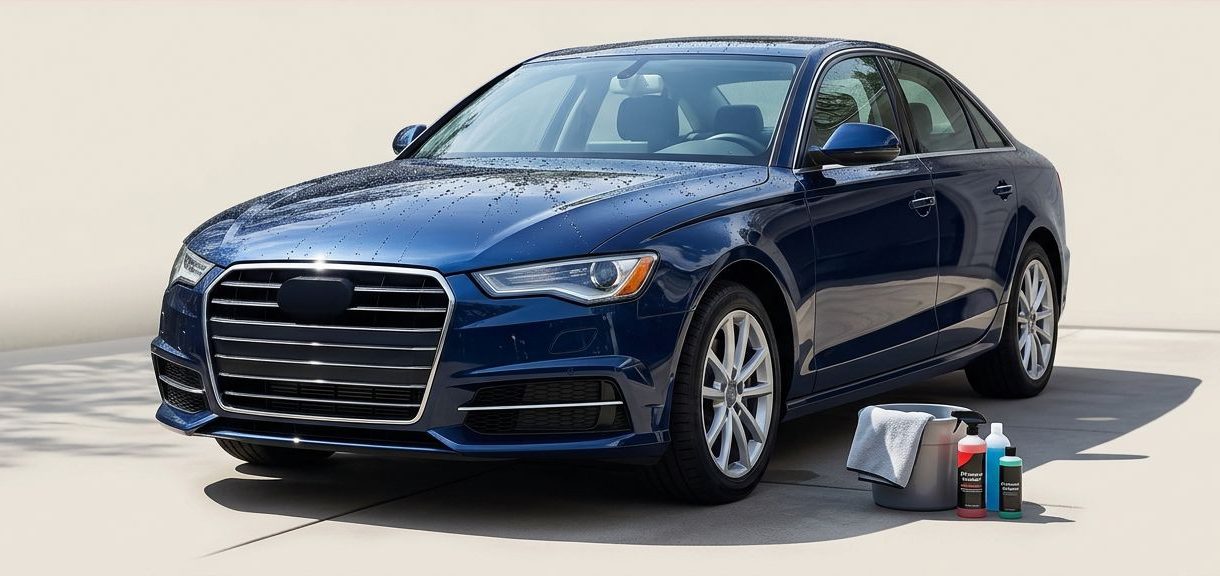

A fresh detail gives your vehicle a clean finish, glossy paint, and a refreshed interior. The results can last far longer when you follow the correct aftercare routine.
If you want to protect your car after detailing, the first steps matter most. Cure times, cleaning products, and maintenance needs vary by service, so your detailer’s instructions should always take priority.
Key Takeaways
- Keep the car dry and shaded during the product’s recommended cure time.
- Remove bird droppings, spills, and other contaminants as soon as possible.
- Wash with pH-neutral soap, clean microfiber tools, and gentle techniques.
- Avoid automatic brush washes, household detergents, and abrasive products.
- Wax, sealants, and ceramic coatings still need regular care and maintenance.
Give the Fresh Detail Time to Cure
The first hours after detailing are important. Wax, paint sealants, ceramic coatings, leather conditioners, fabric protectors, and interior dressings may need time to settle and cure.
Ask your detailer exactly when you can drive, wash, or expose the car to water. Some products need only a short waiting period, while others need longer before they reach their intended performance. There isn’t one cure time for every detailing product.
Keep the vehicle in a covered, dry location whenever possible. Avoid rain, sprinklers, car washes, and dusty roads until the recommended waiting period has passed. In Dubai, direct sun and high temperatures can also affect freshly applied products, so shaded parking is a practical choice.
Don’t add another spray wax, quick detailer, tire dressing, or interior cleaner during this period unless the product is approved by your detailer. Mixing products too soon can affect the finish or leave uneven marks.
If you need to drive before the cure time ends, keep the trip short and avoid construction areas, standing water, and heavy traffic. A clean, dry environment gives the new protection the best chance to perform properly.
Protect the Exterior From Heat, Dust, and Contamination
Dubai’s heat, dust, and strong sunlight can place extra pressure on a vehicle’s exterior. Fresh protection helps, but it doesn’t make paint immune to stains, scratches, or fading.
Covered parking is one of the simplest ways to protect a detailed car. A shaded garage is ideal. If you park outside, choose a covered space and avoid areas beneath trees, where sap, pollen, and bird droppings can land on the paint.
A car cover can help when the vehicle stays parked for long periods. Use one only when the car and cover are clean and dry. Dust trapped between a dirty cover and the paint can create fine scratches when the cover moves.
Bird droppings and insects should be removed quickly. Their residue can mark paint when it sits under hot sunlight. Place a damp microfiber towel over the area for a short time, then lift the contamination gently. Don’t rub dry debris across the panel.
Sprinklers are also a problem. Mineral-rich water can leave spots on paint, glass, and trim. Park away from irrigation systems, and dry water from the surface before it evaporates whenever possible.
Fresh protection reduces exposure to contamination, but it doesn’t replace careful parking and regular cleaning.
Avoid placing bags, tools, or loose equipment on the hood or roof. Even light objects can drag dust across the surface and create marks. Treat the paint as a protected finish, not as a scratch-proof surface.
Wash the Car Without Removing Its Protection
Once the cure period is complete, regular washing becomes the best way to preserve the finish. A proper maintenance wash removes dust and road film without adding new scratches.
Use a pH-neutral car shampoo and clean microfiber wash mitts. Household dish soap and strong cleaners can remove protection faster and may dry out exterior trim. Choose a shaded location and wash when the panels are cool.
Start with a thorough rinse to loosen loose dust and grit. Wash from the roof downward, working one small section at a time. The lower doors, bumpers, and wheel areas usually hold more contamination, so leave them until the end.
A two-bucket method can reduce the amount of grit transferred back to the paint. Use one bucket for soapy water and another for rinsing the mitt. Rinse the mitt often, especially after cleaning lower panels.
Separate wheel tools from paintwork tools. Brake dust can be abrasive, and using the same mitt on wheels and body panels can create fine scratches. Clean the wheels with suitable products and use a dedicated brush or mitt.
Rinse the vehicle completely before drying. Use a clean, plush microfiber drying towel, or follow your detailer’s advice about filtered air drying. Avoid dragging a dry towel across dusty paint.
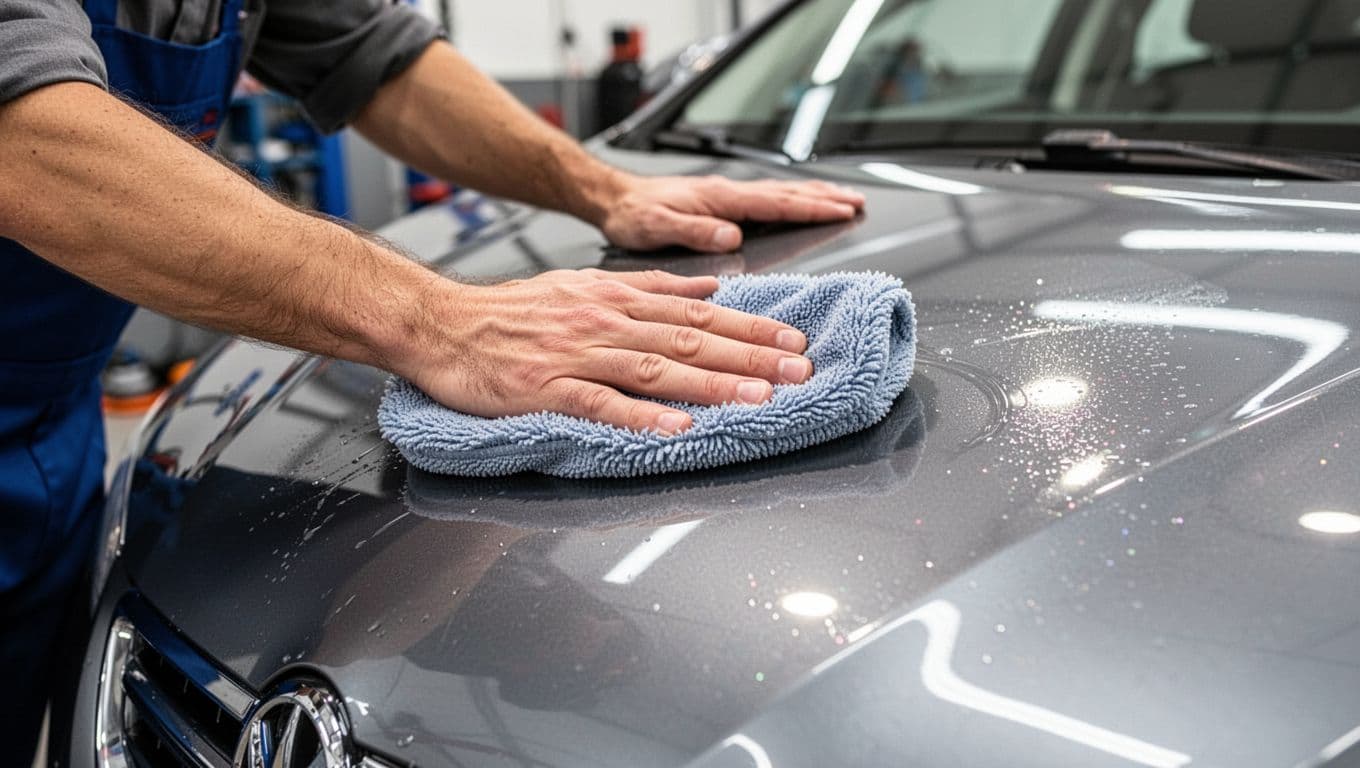
Never use an automatic wash with spinning brushes on a freshly detailed vehicle. The brushes can carry grit from other cars and leave swirl marks. Touchless washes are gentler, but strong chemicals and high pressure can still affect wax, sealants, trim, and sensitive areas.
If you use a pressure washer, keep a safe distance and avoid directing high pressure at loose trim, window seals, badges, or damaged paint. A professional car wash can provide a controlled maintenance wash when you don’t have the space or equipment at home.
How often should you wash? A vehicle driven daily in Dubai may need washing every one to two weeks, depending on dust, parking conditions, and use. Don’t wait for a heavy layer of dirt to build up. Light, regular cleaning is easier on the finish than occasional aggressive washing.
Keep the Interior Clean After Detailing
A detailed cabin can lose its fresh appearance quickly when food, drinks, dust, and direct sunlight return. Simple habits help preserve clean seats, carpets, dashboard surfaces, and door panels.
Use floor mats and remove sand or dust before it spreads through the cabin. Vacuum gently with a clean attachment. Don’t use a stiff brush on delicate leather, suede, Alcantara, or sensitive trim.
Keep drinks in sealed containers, especially during hot weather. If a spill occurs, blot it promptly with a clean microfiber cloth. Rubbing can spread the liquid and push it deeper into fabric or stitching.
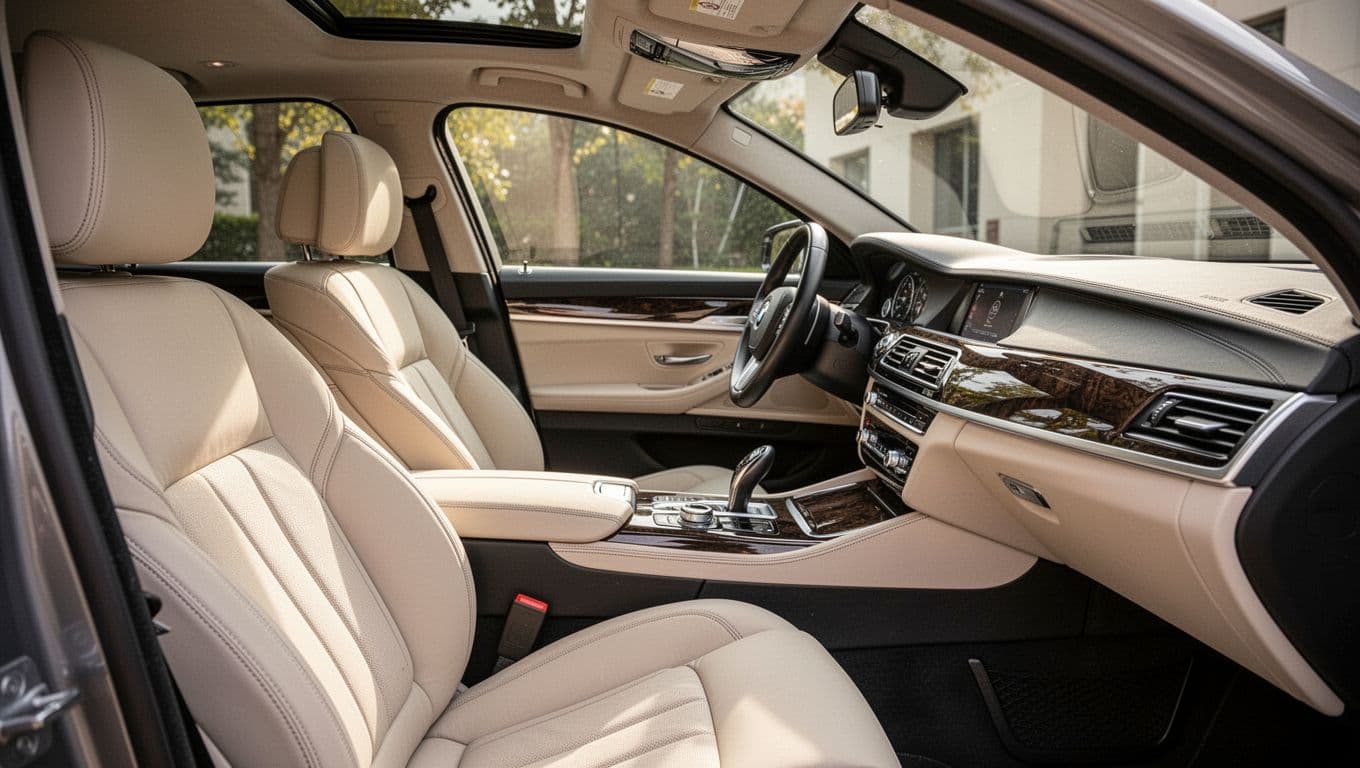
Don’t apply leather conditioner, dashboard dressing, glass cleaner, or fabric treatment without checking the product and surface first. Different materials need different care. Some interior protectants can leave a slippery finish on steering wheels, pedals, or gear selectors, which is unsafe.
Use a sunshade when parking outside. It helps reduce heat inside the cabin and limits direct exposure to the dashboard and front seats. Keep windows closed in dusty conditions, and avoid placing sharp or dirty items on freshly cleaned upholstery.
Maintain Wax, Sealants, and Ceramic Coatings
Ask what protection your detailer applied before choosing maintenance products. Wax, paint sealants, ceramic coatings, and paint protection film have different cleaning needs and different expected service lives.
Wax can provide a warm shine and short-term protection, but it needs regular inspection and reapplication. A synthetic sealant may last longer, while a ceramic coating can provide more durable water and contamination resistance when properly installed and maintained.
These products are not maintenance-free. A ceramic coating doesn’t make paint scratch-proof, and it won’t prevent damage from careless washing. Paint protection film can protect selected panels from certain impacts, but its edges and surface still need appropriate care.
Use only shampoos and toppers approved for your protection system. Some ceramic coatings work well with compatible maintenance sprays, while other products may leave residue or reduce the intended finish. When in doubt, ask the detailer who applied the product.
Avoid abrasive polishes, compound, clay bars, and strong decontamination chemicals unless a trained professional recommends them. These treatments can remove wax or affect a coating when used incorrectly.
Water behavior can give you a useful indication of the finish, but beading alone doesn’t confirm that protection is working perfectly. Check for reduced smoothness, water spotting, embedded dust, or a change in gloss. A professional inspection can identify the right maintenance service.
Keep the service details and product name in your records. The information makes future washing, top-ups, and reapplication more accurate. It also prevents the use of incompatible products.
Know When Your Car Needs Professional Maintenance
Even with careful home care, a vehicle may need professional attention. Dubai roads can expose paint and wheels to dust, sand, traffic film, insects, and mineral deposits.
Book a maintenance detail when washing no longer restores the original gloss, the paint feels rough after cleaning, or water spots remain on the surface. Interior detailing may be needed when sand reaches the carpets, stains return, or high-touch areas look dull.
The correct timing depends on how often you drive, where you park, the product used, and the detailer’s maintenance plan. Some owners need a professional service every few months, while others can wait longer with careful parking and washing.
Don’t polish the car every time it looks less glossy. A professional can decide whether it needs a safe decontamination wash, a protection top-up, light polishing, or a more complete detail. The right service protects the finish without removing material unnecessarily.
Conclusion
A fresh detail stays fresh when you protect it during the cure period, park carefully, remove contamination quickly, and wash with clean, gentle tools. The routine is simple, but consistency makes the difference.
Follow the product instructions supplied by your detailer, because cure times and maintenance requirements vary. Your car doesn’t need complicated care, but it does need regular care to keep its shine, cleanliness, and protection in good condition.

Sammie O is the owner of Bud Car Wash, a 24 hour hand car wash and detailing shop at Shop #7, 44, 22nd Street, Ras Al Khor Industrial Area 2, Dubai. He writes the car care guides on this site based on work done in his own bay.
View All Articles