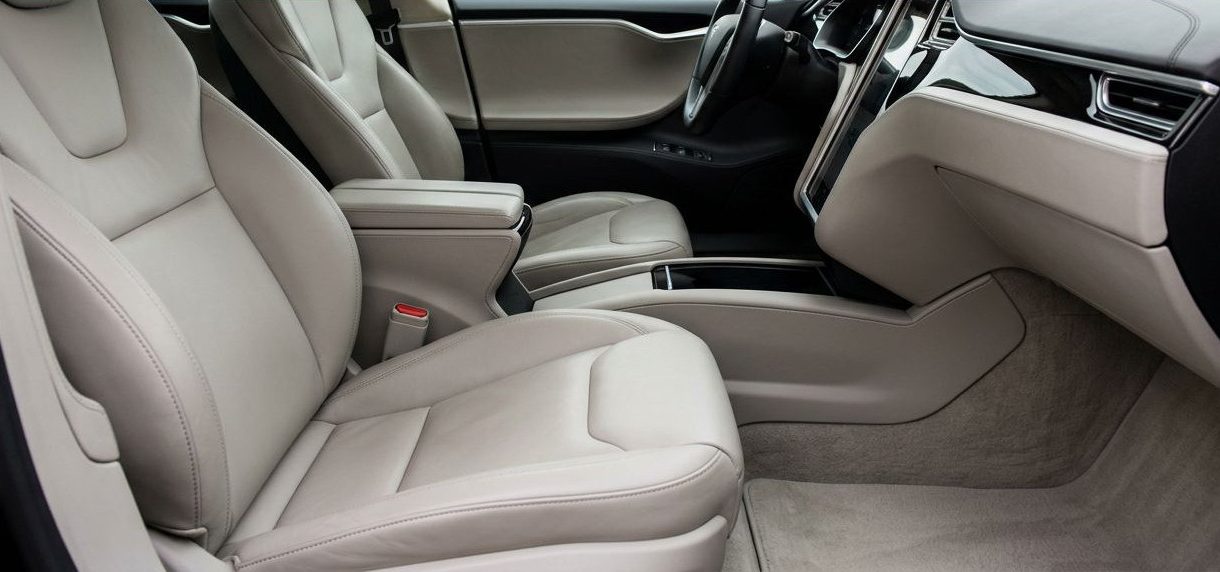

Your car can look clean at a glance while dirt, odors, and residue build up in places you touch every day. When the cabin starts feeling sticky, stale, or difficult to refresh, a quick vacuum may no longer be enough.
Car interior detailing removes embedded dirt and restores the surfaces, fabrics, carpets, and glass inside your vehicle. These ten signs can help you decide when your car needs more than a basic clean.
Key Takeaways
- Persistent odors, stains, dust, and sticky surfaces often point to deeper interior buildup.
- Pet hair, grit, damp smells, and dirty touch points can remain after routine cleaning.
- Professional detailing uses suitable tools and products for fabric, leather, plastic, glass, and carpets.
- Most vehicles benefit from professional interior detailing every three to six months, depending on use.
Signs 1 to 5: Problems You Can See and Smell
Some interior problems are easy to identify. Others appear slowly, after weeks of daily driving. Check the areas you use most, including the seats, carpets, dashboard, doors, and center console.

Photo by Caio Renato de Campos
1. Odors Return After Basic Cleaning
A light air freshener may cover an odor for a short time, but it doesn’t remove the material causing it. Smells can remain in carpets, seat fabric, floor mats, door pockets, and areas beneath the seats.
Food spills, damp clothing, drink containers, and regular passenger use can all leave lingering odors. Smoke smell can also settle into fabric and soft surfaces.
If the smell returns soon after vacuuming, the interior needs a deeper clean. Professional detailing can include thorough vacuuming, fabric treatment, carpet extraction, and careful cleaning around vents and seams. A persistent damp smell may also point to wet carpets or a leak, which requires inspection before the interior is cleaned again.
2. Stains Stay Visible on the Seats or Carpets
Coffee, juice, muddy shoes, and oily food can leave marks that become harder to remove over time. The longer a spill remains, the more likely it is to spread into the fabric or carpet below the surface.
A household cleaner may lighten a mark without removing it completely. It may also leave residue or affect the color of certain materials. Vehicle interiors contain different surfaces, so one product isn’t suitable for every area.
A professional detailer can identify whether the stain is on fabric, leather, vinyl, or carpet. The right method may include agitation, fabric-safe cleaning, or extraction. Some old stains may not disappear completely, but proper treatment can improve the appearance without unnecessary damage.
3. Dust Collects in Vents, Seams, and Tight Spaces
A dashboard may look clean while dust remains inside air vents, seat stitching, door joints, and the edges of the center console. These areas are difficult to reach with a regular cloth.
Dust also collects around buttons, cup holders, speaker grilles, and window controls. In Dubai and other dusty environments, buildup can become visible soon after an exterior wash.
Interior detailing reaches these smaller areas with soft brushes, compressed air where appropriate, and careful wiping. The process helps refresh the cabin without forcing dirt deeper into switches or seams. It also gives the dashboard and trim a cleaner, more even appearance.
4. The Dashboard, Steering Wheel, or Console Feels Sticky
Sticky surfaces usually come from spilled drinks, food residue, sunscreen, body oils, or too much interior dressing. The steering wheel and gear selector often show this problem first because they receive frequent contact.
A greasy finish can make the cabin feel unclean even when the seats and carpets look acceptable. It may also make dust attach more easily to the surface.
Professional car interior detailing removes residue with products selected for plastic, vinyl, leather, or other trim materials. The finish should look clean rather than overly shiny. A low-sheen result is usually more comfortable for driving and easier to maintain.
5. Seats Look Dull, Dry, or Flattened
Fabric seats can become dull when they hold dust, body oils, and fine dirt. Repeated use may also flatten the pile, leaving certain areas darker or more worn than the rest of the seat.
Leather and synthetic leather need different care. Harsh products can leave leather dry or create an unwanted shine. Excess moisture can also take longer to dry, especially in enclosed areas.
A proper interior service cleans the material first and then applies suitable care products when needed. This can improve the seat’s appearance and help keep it comfortable. Detailing won’t repair torn leather or broken stitching, but it can keep sound materials in better condition.
Signs 6 to 10: Hidden Buildup Around the Cabin
The next five signs often appear in vehicles that receive regular washing but little interior care. Exterior cleaning removes what people see first. Interior detailing addresses the dirt that stays under mats, inside fabric, and around high-touch areas.
6. Carpets and Floor Mats Hold Grit After Vacuuming
Sand, road dust, mud, and small stones can settle deep into carpet fibers. A quick vacuum may collect the loose material but leave fine grit behind. Check beneath the floor mats and along the edges of the seats.
Grit can also work into the carpet when people step in and out of the vehicle. Over time, the floor may look flat, dull, or permanently dirty.
A deeper clean usually starts with removing and cleaning the mats separately. The carpets can then be vacuumed, brushed, and treated according to their material. Extraction may help with embedded dirt and marks, but the interior needs enough drying time afterward.
7. Pet Hair Remains in the Seats and Carpet
Pet hair can cling tightly to upholstery, especially when the fabric has a textured surface. Vacuuming alone often leaves strands along seat seams, carpet edges, and beneath the front seats.
Hair may also collect in the cargo area, door pockets, and around seat rails. If your vehicle regularly carries a dog or cat, this buildup can return quickly.
Professional detailers use brushes, specialized attachments, and careful hand removal to lift hair without damaging the upholstery. A full service can also clean the areas where fur and dirt collect together. Regular maintenance becomes easier when pet hair is removed before it becomes deeply embedded.
8. The Inside of the Windows Has a Film or Haze
Interior glass can develop a cloudy film from dashboard products, dust, smoke, fingerprints, and moisture. The problem may be most noticeable when sunlight hits the windshield.
Smears and haze can distract you while driving, especially at night or when headlights reflect across the glass. Wiping with a dry cloth may move the residue around instead of removing it.
Interior detailing includes cleaning the windshield, side windows, rear glass, and mirrors with suitable glass products and clean towels. The finish should be clear and streak-free. If the haze returns quickly, check whether an interior dressing or ongoing moisture is causing the film.
9. You Notice a Damp Smell or Moisture Marks
A damp smell can come from wet shoes, spilled drinks, soaked mats, or moisture trapped beneath the carpet. Water can also enter through a damaged seal or another issue that needs mechanical attention.
Look for wet floor mats, dark carpet patches, water marks, or condensation that doesn’t seem normal for the conditions. Don’t rely on fragrance to cover the smell. Cleaning the visible area won’t solve a leak or continuing moisture.
A professional detailer can clean and dry the affected interior, but the source must be corrected. If the carpet stays wet, ask for the vehicle to be inspected before booking repeated detailing.
10. High-Touch Areas Still Look Dirty
The steering wheel, door handles, seatbelt buckles, gear selector, armrests, and window switches receive constant use. These areas can collect oils, dust, food residue, and marks even when the rest of the cabin looks presentable.
They are also easy to overlook during a quick clean. Wiping the dashboard doesn’t clean the steering wheel, and vacuuming the floor doesn’t address the center console.
Detailing gives these points individual attention. The cleaner should use a safe method for each material, especially around buttons, screens, leather, and stitched surfaces. The result is a cabin that feels cleaner every time you enter the vehicle.
When a Basic Clean Is Enough
Not every dirty interior needs a full detailing appointment. A basic home clean may be suitable when the cabin only has loose dust, a few crumbs, and fresh surface marks. Regularly removing rubbish, shaking out mats, and wiping the dashboard can slow the buildup.
Professional interior detailing is a better choice when odors return, stains are embedded, pet hair remains in the fabric, or carpets need deeper treatment. It also makes sense before selling a vehicle, after a long trip, or when the cabin has been neglected for several months.
A complete service commonly includes removing loose items, vacuuming seats and carpets, cleaning mats, brushing crevices, wiping trim, cleaning glass, and treating upholstery. Depending on the vehicle, the detailer may also use fabric extraction or suitable leather care.
Choose a service that checks the material before applying products. A careful approach matters because leather, fabric, plastic, rubber, and touchscreens all need different treatment. Eco-friendly products can also be a useful choice when they are suitable for the vehicle’s surfaces and used correctly.
Interior detailing improves cleanliness and appearance, but it doesn’t repair leaks, damaged upholstery, broken trim, or mechanical problems.
Why Timely Interior Detailing Makes a Difference
Dirt is easier to remove when it hasn’t been pressed into carpet fibers or left on a surface for months. Prompt cleaning also gives the detailer a better chance of improving stains before they become permanent.
A clean cabin is more pleasant for daily driving and more presentable when passengers ride with you. It can also support better vehicle presentation when you plan to sell or return a leased car. These results come from consistent care, not from covering problems with fragrance or glossy products.
For professional car interior detailing, look for a provider that offers a clear service description, trained staff, suitable products, and attention to individual materials. A quality-focused service should explain what the cleaning includes and identify issues that need repair rather than promising that every mark can be removed.
Keep Your Car Interior Clean for Longer
The strongest signs are usually easy to recognize: odors that return, stains that stay visible, dust in tight spaces, sticky touch points, and carpets that still feel gritty after vacuuming. Pet hair, damp smells, window film, and neglected high-touch areas also show that the cabin needs more than a quick wipe.
For most vehicles, professional interior detailing every three to six months is a practical starting point. Cars used heavily, or those carrying children, pets, or smokers, may need detailing more often.

Sammie O is the owner of Bud Car Wash, a 24 hour hand car wash and detailing shop at Shop #7, 44, 22nd Street, Ras Al Khor Industrial Area 2, Dubai. He writes the car care guides on this site based on work done in his own bay.
View All Articles