Paint can lose its clean finish long before a car looks old. Road dust, strong sunlight, bird droppings, water spots, sand, and careless washing all leave marks on the clear coat.
The right paint protection makes routine care easier, but no product makes paint completely scratchproof. Wax, sealants, ceramic coatings, and paint protection film each handle different risks. Choosing the right option starts with knowing what your car faces every day and how much maintenance you can manage.
Key Takeaways
- Paint protection reduces damage from UV exposure, dirt, water spots, and light surface contamination.
- Wax is affordable and easy to apply, while sealants usually last longer between applications.
- Ceramic coatings improve chemical resistance and cleaning, but they don’t stop stone chips.
- Paint protection film provides the strongest defense against road debris in selected areas.
- Regular washing and careful drying matter as much as the product on the paint.
What Paint Protection Actually Does
Modern vehicles have a painted base layer covered by a clear coat. That clear coat provides gloss and protects the color underneath, but it still faces daily wear. Fine dust can create light scratches during washing. Sun exposure can dull unprotected surfaces over time, while minerals in water can leave stubborn spots.
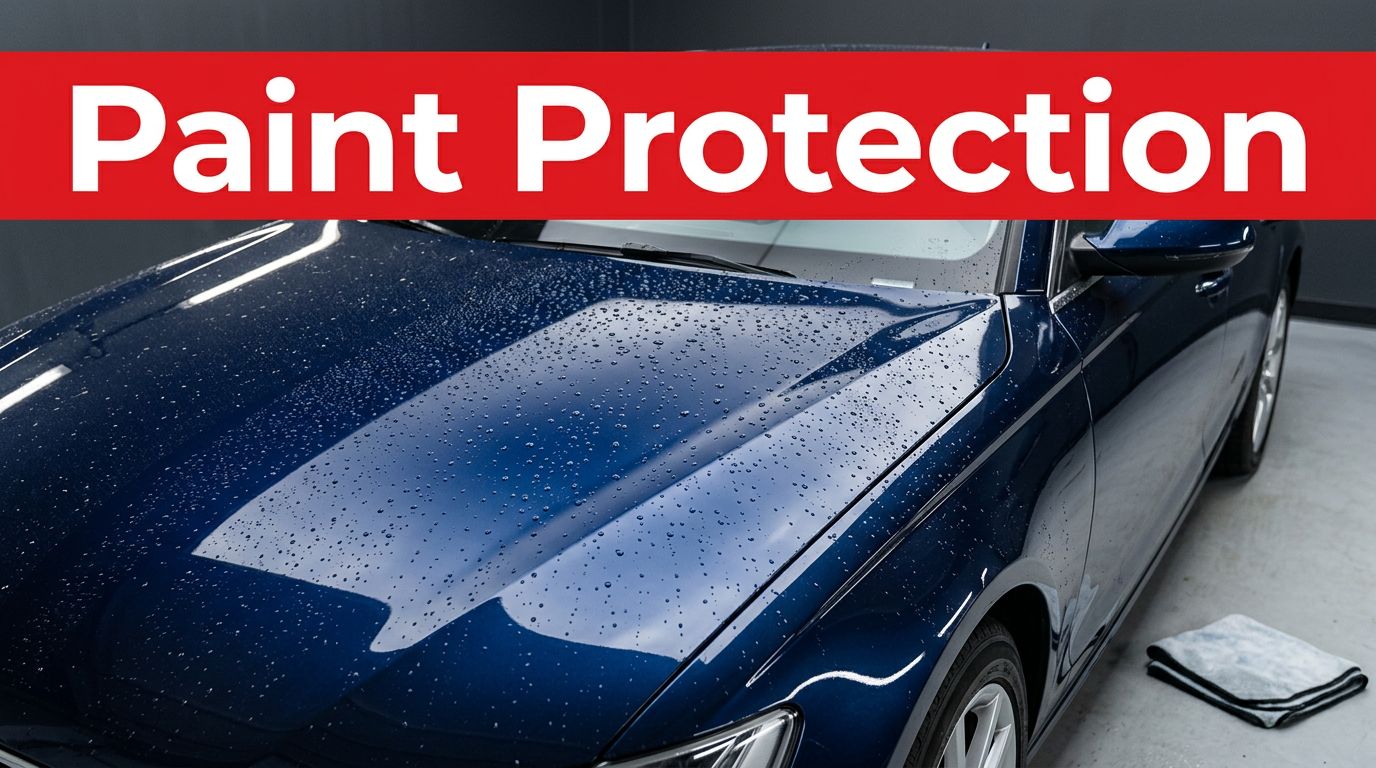
Paint protection adds a sacrificial layer or physical barrier above the clear coat. The product takes some of the exposure, so contaminants are easier to remove and the finish stays smoother. Many protectants also create water beading, which helps water move off the surface instead of sitting on it.
A wax or sealant can help against UV exposure, road grime, light chemical contamination, and routine washing. A ceramic coating can provide stronger resistance to many contaminants and reduce how easily dirt sticks. None of these options can stop a stone from chipping the paint at highway speed.
Paint protection also doesn’t repair faded paint, deep scratches, rust, or peeling clear coat. Those issues need paint correction or bodywork before protection is applied. Applying a coating over a dirty or damaged surface can preserve the problem underneath.
In Dubai, heat, dust, traffic pollution, and mineral-heavy rinse water can make surface care more demanding. Parking outdoors increases exposure to sunlight and airborne dust. A good protective layer helps, but frequent washing is still necessary.
The Chemical Guys paint protection guide also separates the roles of waxes, sealants, and coatings, which is useful when comparing products.
Wax, Sealant, Ceramic Coating, or PPF?
Everyday drivers usually choose between four main paint protection options. The best choice depends on your budget, parking conditions, vehicle age, and willingness to maintain the finish.
| Protection type | What it helps with | What it cannot do | Typical care |
|---|---|---|---|
| Wax | Gloss, light contamination, water beading, basic UV support | Stone chips, deep scratches, strong impact | Reapply when the product no longer performs |
| Paint sealant | Longer-lasting slickness, water and dirt resistance | Major scratches, chips, heavy impact | Follow the product’s stated service interval |
| Ceramic coating | Easier cleaning, chemical resistance, gloss, water behavior | Stone chips, careless washing, existing damage | Use coating-safe products and periodic inspections |
| Paint protection film | Stone chips, road debris, light surface marks on covered panels | Damage outside covered areas, poor installation, every type of scratch | Wash gently and inspect film edges |
Car wax is the simplest and most affordable option. It can improve gloss and give the paint a smooth feel, but its protection is temporary. Traditional wax often needs regular reapplication, especially on cars exposed to strong sun, frequent washing, or dusty roads.
A paint sealant uses synthetic ingredients and generally lasts longer than many wax products. It is a practical choice for drivers who want regular protection without the cost of a ceramic coating. The finish may not look dramatically different from a quality wax, but the maintenance interval can be more convenient.
A ceramic coating forms a durable layer designed to bond with the paint. It can make washing easier and help resist staining from road grime, insects, and some chemical contaminants. Its durability varies by product, preparation, application quality, climate, and maintenance. A coating advertised to last several years still needs careful washing and occasional professional checks.
A coating is not a force field. It won’t prevent a sharp stone from reaching the paint, and it won’t make an automatic brush wash safe. It can also fail early if the surface wasn’t prepared correctly or if harsh chemicals are used repeatedly.
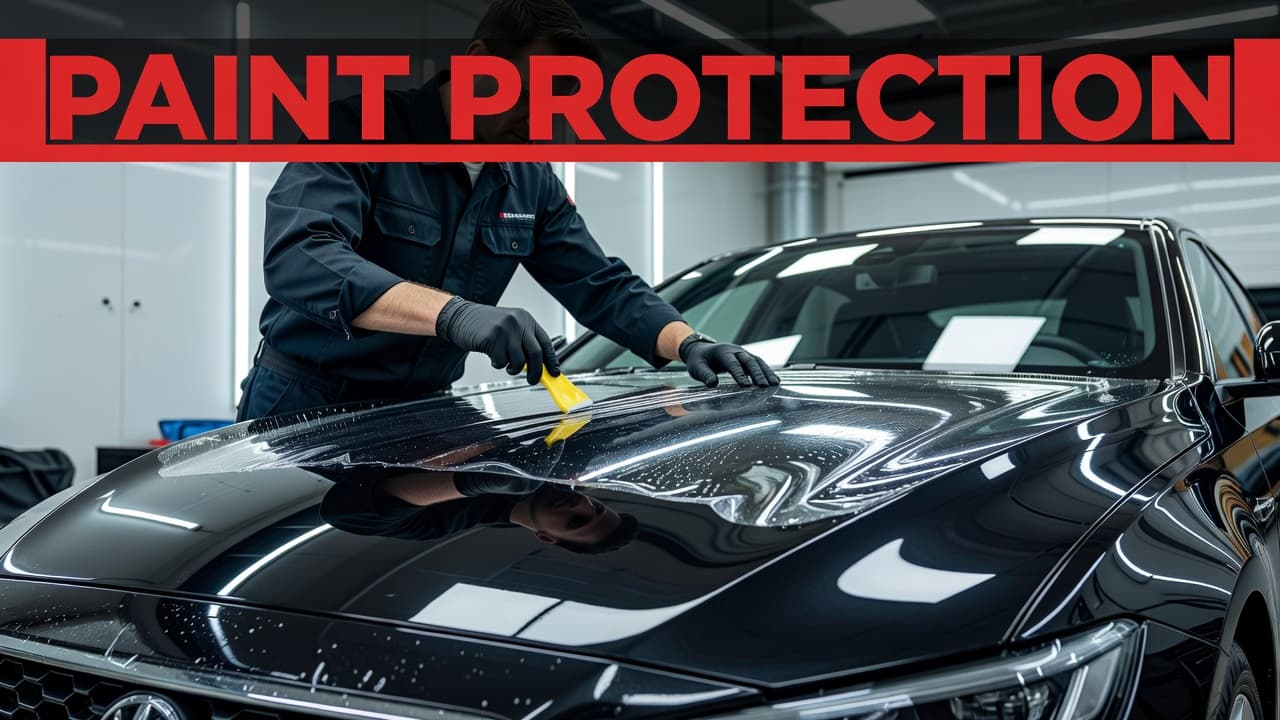
Paint protection film, often called PPF, is a transparent urethane film installed over painted panels. It is the strongest option for chips and impact in the areas it covers. Everyday drivers don’t always need a full-car installation. A partial front kit, door edges, door cups, or luggage loading areas can protect common trouble spots while keeping the cost more controlled.
For a useful side-by-side discussion, this wax, sealant, and ceramic comparison covers the main differences in expected durability and use.
A Safe Paint Protection Routine
Protection begins with proper preparation. Applying wax or sealant over dust traps grit against the paint. Coating or film installation requires even more careful cleaning because small contaminants can affect the final result.
Start by rinsing the vehicle thoroughly. This removes loose sand and dust before a wash mitt touches the surface. Work in the shade, and wash when the panels are cool. Hot paint can dry shampoo and rinse water too quickly, leaving marks.
Use a pH-neutral car shampoo and a clean microfiber wash mitt. A separate bucket for rinsing the mitt helps keep dirt away from the wash water. Wash from the roof downward because the lower panels usually hold more grit.
Rinse each section before the soap dries. Dry the car with a clean, soft microfiber drying towel rather than allowing water to evaporate naturally. This is especially important where hard-water minerals can leave visible spots.
A basic protection routine follows these steps:
- Rinse loose dust and sand from the entire vehicle.
- Wash with car shampoo, starting with the cleanest panels.
- Rinse thoroughly and dry without pressing hard.
- Remove tar, tree sap, or bonded contamination with the correct automotive product.
- Apply wax or sealant to a clean, dry surface according to its label.
- Buff with a fresh microfiber towel and inspect the finish in good light.
Polishing is different from protecting. A polish can remove or reduce some fine marks by refining the clear coat, but repeated aggressive polishing removes clear coat. If the paint has heavy swirls or oxidation, professional correction may be safer than repeated home applications.
When choosing a professional service, ask how the vehicle will be washed, prepared, and cured. A quality result depends on preparation, product selection, controlled application, and clear aftercare instructions. The professional protection detailing guide provides a helpful explanation of preparation and traditional paint protection.
A Simple Paint Protection Maintenance Schedule
A protective product only works well when the surface remains clean. Letting dust, bird droppings, and mineral deposits build up can shorten the useful life of the protection and stain the finish.
| Timing | Recommended care |
|---|---|
| After contamination appears | Remove bird droppings, insects, and fresh spills as soon as possible |
| Every one to two weeks | Wash with pH-neutral shampoo, then dry with microfiber |
| Once a month | Inspect for water spots, tar, sap, and areas losing smoothness |
| Every three to six months | Reapply wax or sealant if the product instructions call for it |
| Once or twice a year | Request a professional inspection for coatings or PPF |
The schedule can change with driving and parking conditions. A vehicle parked outside near construction or driven through dusty areas may need weekly washing. A lightly used car kept in a covered space may need less frequent care, but contamination should still be removed promptly.
Don’t judge protection only by water beading. Beading can change because of dust, shampoo residue, or surface contamination. A smooth surface, easy cleaning, and an even finish are better signs when considered together.
Common Mistakes That Damage Car Paint
Many paint problems come from the washing method rather than a lack of product. Avoiding a few habits can protect the clear coat and help any wax, sealant, or coating last longer.
- Washing in direct sun: Water and shampoo can dry on hot panels, leaving mineral marks and uneven residue.
- Dry wiping dust: A dry cloth drags fine grit across the paint. Rinse first.
- Using household soap: Dishwashing products can remove protective oils and leave the finish dry. Use automotive shampoo.
- Choosing brush-style automatic washes: Rotating brushes can carry dirt from other vehicles and create swirl marks.
- Using one dirty towel: Keep separate towels for paint, wheels, glass, and lower panels.
- Scrubbing bird droppings: Soften the contamination with water or a safe detail spray before lifting it away.
- Applying products too heavily: Thick layers can become difficult to remove and may leave streaks.
- Ignoring product compatibility: Some cleaners and degreasers can weaken coatings or stain PPF. Follow the manufacturer’s care instructions.
- Expecting protection to hide damage: Wax may temporarily improve gloss, but it won’t repair chips, deep scratches, or peeling paint.
A professional exterior wash can be useful when the car has heavy dust, stuck-on contamination, or water spots. Proper tools and controlled products reduce the chance of adding new marks during cleaning.
Conclusion
Paint protection basics are simple: keep the surface clean, choose protection that matches your driving conditions, and understand its limits. Wax and sealants suit budget-conscious maintenance, ceramic coatings reduce cleaning effort, and PPF provides stronger defense against impact in selected areas.
No product replaces careful washing. Remove contamination early, avoid harsh tools, and follow a consistent schedule. Those habits help your car keep its gloss and give every protective layer a better chance to perform.