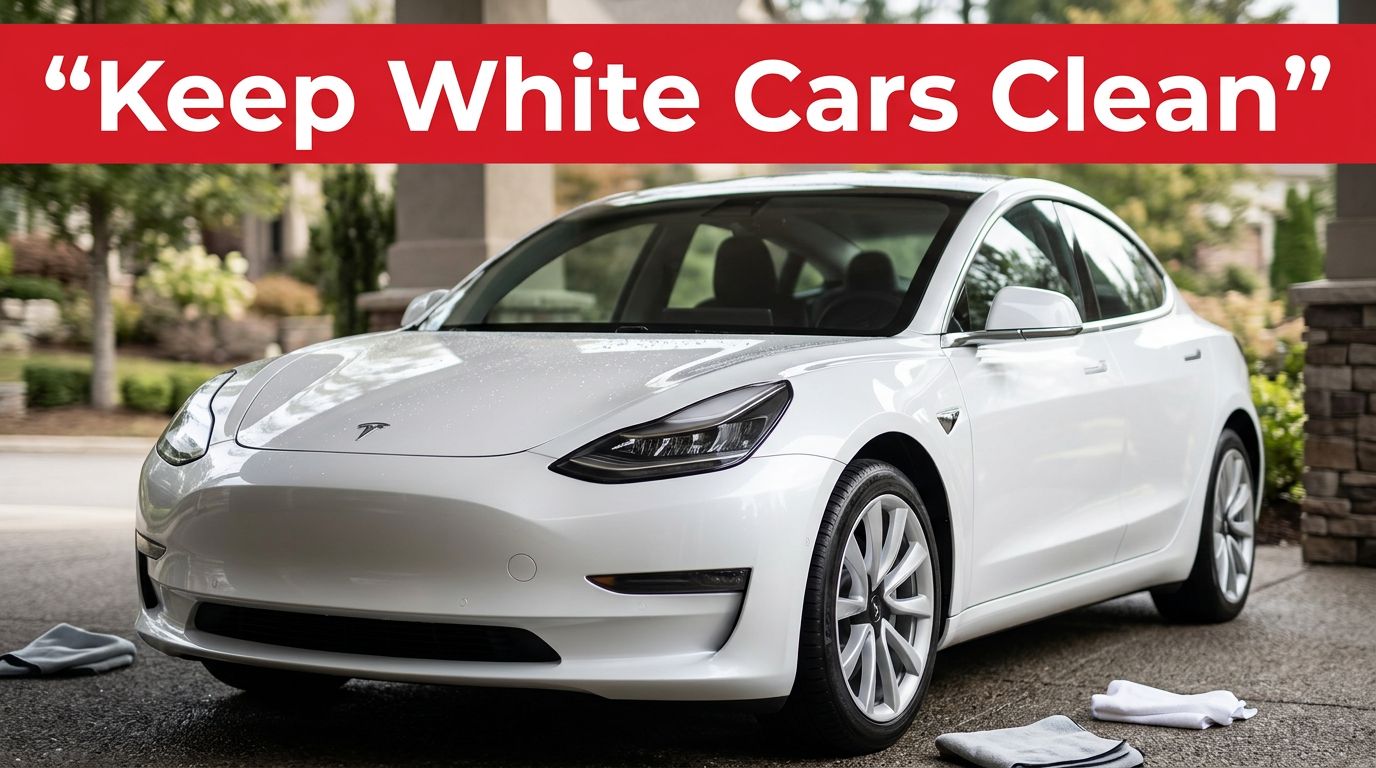
White cars look bright, elegant, and well-maintained when the paint is clean. They also show road dust, water spots, bird droppings, and dark marks faster than many darker colours.
The good news is that you don’t need to wash your car every day. A regular routine, paint-safe products, and quick attention to stains can help you keep a white car clean for longer between washes. The right approach starts with washing at the right time and drying the paint properly.
Key Takeaways
- Wash a white car every one to two weeks, or sooner after heavy dust, rain, or road grime.
- Use a pH-neutral car shampoo, clean microfiber tools, and separate equipment for wheels.
- Never rub dry dust or dried bird droppings across the paint.
- Dry the vehicle in the shade to reduce mineral water spots.
- Professional detailing is worthwhile when stains, oxidation, bonded dirt, or dull paint remain after washing.
Start With a Wash Routine That Matches Your Climate
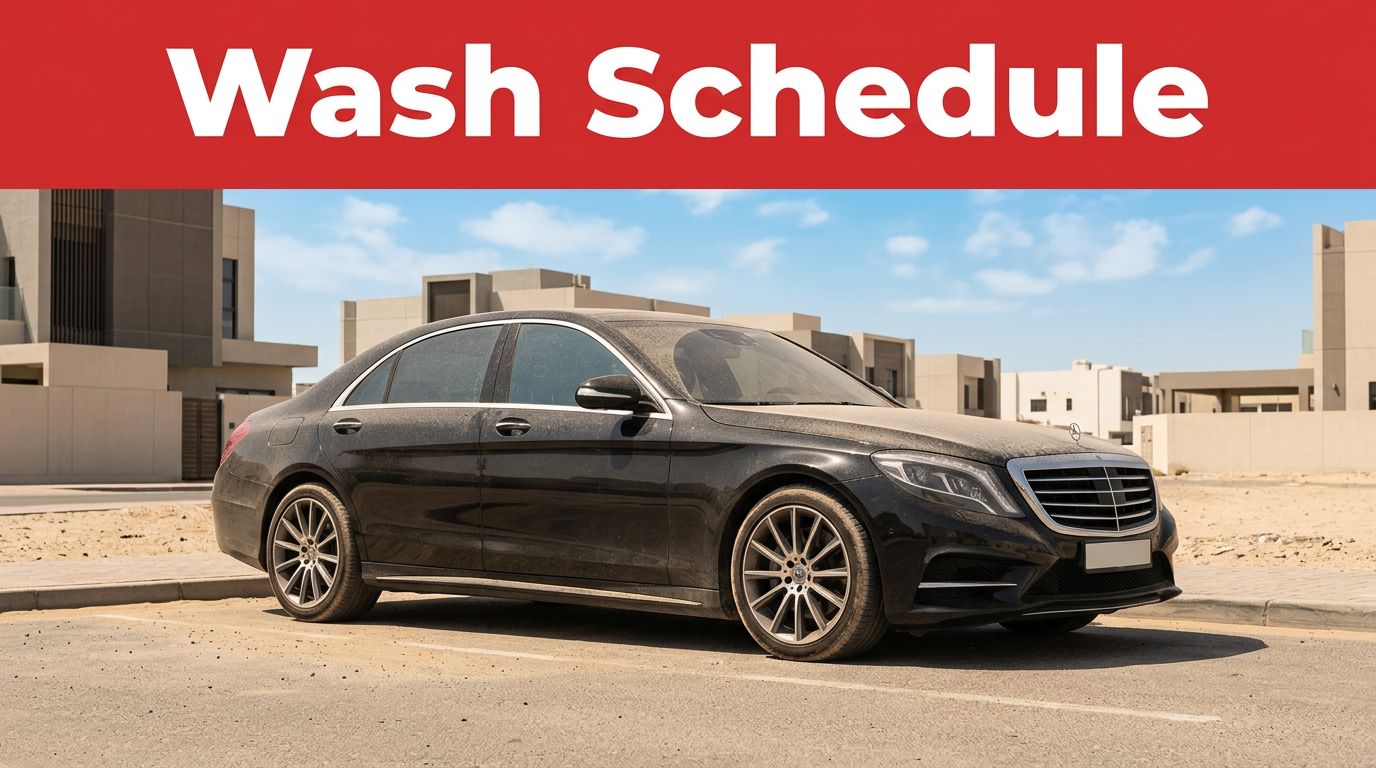
A white vehicle needs a consistent wash schedule because dirt becomes easier to see as it builds. In Dubai, dust, traffic pollution, strong sunlight, and mineral-rich water can leave the surface looking dull within days.
For most drivers, washing every one to two weeks is a practical starting point. This interval also matches the guidance in this white car cleaning guide. Wash sooner when the car has been driven through muddy areas, exposed to construction dust, or covered in bird droppings.
Parking conditions also affect how often you need to wash. A car parked outdoors near trees may collect sap and bird residue. A vehicle parked near a busy road can develop a layer of fine dust mixed with oily traffic film. Covered parking reduces direct exposure, but it doesn’t remove the need for regular cleaning.
Choose a cool time of day and work in the shade. Hot panels dry shampoo and water quickly, which can leave marks before you have time to rinse. If the surface feels hot, wait until the paint cools before starting.
A simple routine is easier to maintain when you keep basic supplies together:
- pH-neutral car shampoo
- Two clean buckets with grit guards, if available
- A soft microfiber wash mitt
- A separate wheel brush or mitt
- A large, clean drying towel
- A hose with a gentle water flow
Avoid waiting until the car looks heavily soiled. Thick grime takes more rubbing to remove, and extra contact increases the chance of fine scratches.
Use Paint-Safe Washing Methods at Home
The washing method matters as much as the product. White paint can look clean after a rough wash, but aggressive brushes and dirty towels may leave fine marks that become visible in strong sunlight.
Start by rinsing the entire car from top to bottom. This removes loose dust and sand before your wash mitt touches the paint. Give extra attention to the lower doors, wheel arches, rear bumper, and areas behind the wheels.
Use one bucket for shampoo and another for rinsing the mitt. Clean the upper panels first, then move toward the lower sections. The lower body usually carries more grit, so it shouldn’t be washed with the same mitt pressure or water used on the roof.
Wash one small panel at a time. Keep the mitt flat and use light, straight passes rather than tight circles. Rinse the mitt often, especially after cleaning dirty areas. Don’t allow shampoo to dry on the surface.
Wheels need separate tools because brake dust can contain abrasive particles. Never use the wheel brush on the paint, even after rinsing it. A dedicated wheel mitt is an inexpensive way to protect the bodywork.
Dish soap, household sponges, and rough bathroom towels aren’t suitable substitutes for car-care products. They may remove surface protection or create unnecessary friction. A quality microfiber towel is softer and holds more water than many household fabrics.
If you can feel roughness after washing, don’t press harder with a towel. The surface may have bonded contamination that needs a separate treatment.
Rinse thoroughly, including mirrors, badges, door handles, and gaps around the boot and bonnet. Soap left in these areas can run down the paint later and leave streaks.
Dry the car immediately with a clean drying towel. Lay the towel over the panel and gently pull it across the surface. Avoid wiping with a towel that has already picked up grit. If the towel becomes damp and dirty, replace it.
Reduce New Dirt Before It Sticks
Keeping a white car clean is easier when you reduce the amount of dirt that reaches the paint. Parking under cover is one of the simplest improvements. A shaded parking space protects the car from direct sunlight and limits dust settling on hot panels.
Don’t park under trees for long periods if you can avoid it. Sap, pollen, and bird droppings can stick to the clear coat and become harder to remove in heat. A covered car park is usually a better choice than a leafy space, even if the tree provides shade.
Avoid dry wiping the bodywork between washes. A dry cloth can drag fine sand across the paint and create light scratches. If the car has only a light layer of dust, use a proper rinseless wash product according to its instructions. For heavier dust, rinse the car first.
The way you drive also affects the paint. Keeping a reasonable distance behind trucks and construction vehicles reduces exposure to dust, sand, and loose road debris. Clean the wheel arches regularly, since dirt stored there can spread onto the lower body during wet weather.
Use a small, soft microfiber towel for door jambs and a different towel for the exterior paint. This prevents grease and hidden grit from moving between areas. Keep used towels separate from household laundry and wash them without fabric softener, which can reduce their absorbency.
For white interiors, regular vacuuming and quick cleaning of light-coloured trim can prevent stains from becoming permanent. Owners sharing practical advice about maintaining white interiors often focus on frequent small cleanups, as seen in this white car interior discussion.
Remove Stains Before They Become Permanent
Bird droppings should be removed as soon as possible. They can dry into a hard patch that requires extra pressure to clean. Place a damp microfiber towel over the area for several minutes, then lift the softened residue away. Don’t scrub it while dry.
The same method works for dried insects and small patches of road grime. Use a dedicated quick-detailing or waterless-wash product only when the surface has light contamination and the product instructions allow it. Fold the towel to a clean side for each pass.
Water spots are common on white cars, particularly after washing in direct sunlight or allowing mineral-rich water to dry on the surface. Drying promptly is the best prevention. If marks remain, wash the area again before trying a mild water-spot remover designed for automotive paint.
Tar, tree sap, and iron particles need more care. A normal shampoo may not remove them. Use a suitable automotive remover on a small test area, follow the label, and rinse the panel afterward. Keep these products away from unpainted plastic unless the instructions approve that use.
Clay bars can remove bonded contamination, but they require plenty of lubricant and light pressure. Use one only when the paint still feels rough after washing. Working on a small section helps you control the process and inspect the result.
If a mark doesn’t improve with gentle cleaning, stop rubbing. Persistent yellowing, dull patches, or stains may need machine polishing or paint correction. More pressure at home can worsen the finish.
A helpful owner discussion on keeping white cars glossy also highlights the value of regular cleaning instead of waiting for heavy buildup.
Add Protection and Know When to Use a Professional
A clean surface stays easier to maintain when it has a suitable layer of protection. Spray sealants, traditional waxes, and ceramic coatings are different products with different preparation requirements. Choose based on your budget, available time, and the condition of the paint.
Wax or sealant can be a practical at-home option after a thorough wash and dry. Apply it to cool panels with clean microfiber towels, then follow the product’s curing and removal instructions. Protection doesn’t stop dust from landing, but it can make routine washing easier.
Ceramic coatings require more preparation and careful application. The paint normally needs to be washed, decontaminated, and inspected first. A professional service is often worthwhile when you want consistent preparation, even coverage, and proper attention to trim, glass, and panel edges.
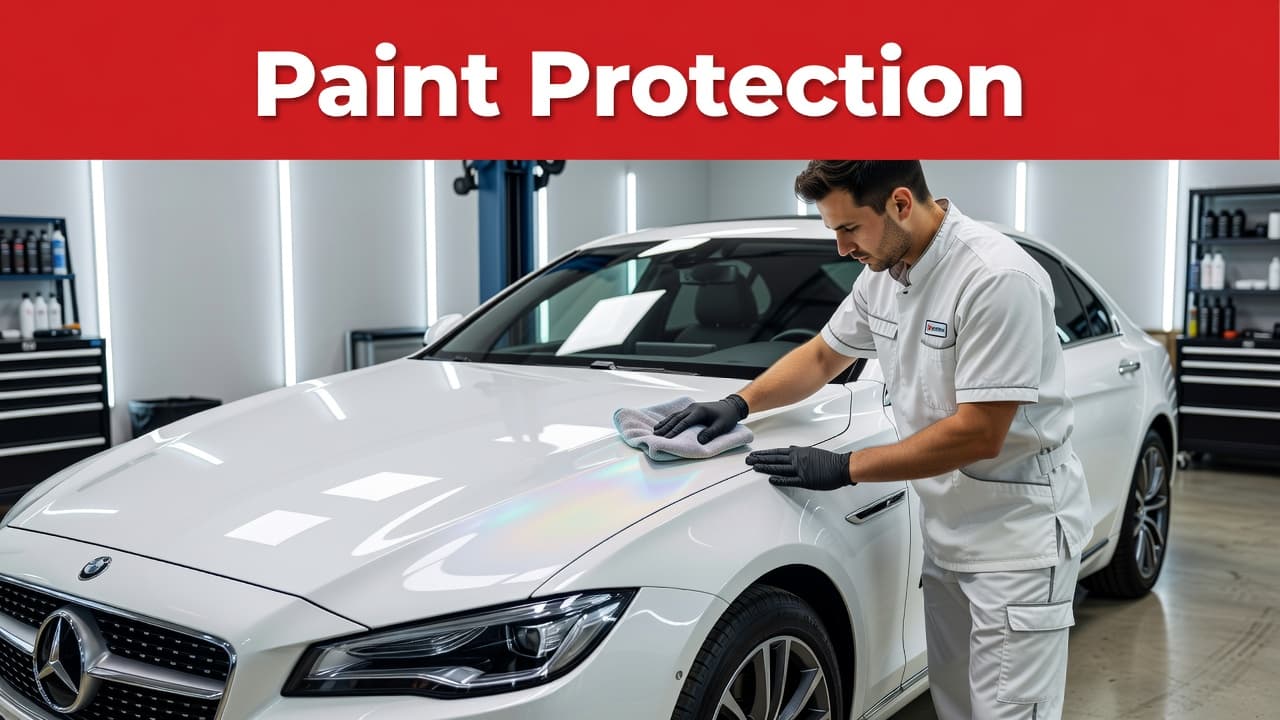
Professional detailing is also useful when washing no longer restores the finish. A detailer can assess bonded grime, water spots, paint oxidation, scratches, and dull areas before choosing the correct treatment. This avoids using a strong product when a gentle cleaning process would be enough.
At-home care is suitable for regular washing, drying, light spot cleaning, and basic protection. Professional detailing makes more sense when:
- The paint feels rough after a careful wash.
- Water spots remain after normal cleaning.
- The white finish looks yellow, grey, or uneven.
- You need machine polishing or paint correction.
- You want a coating applied after proper surface preparation.
- You lack a shaded space or enough time for a careful wash.
Choose a service that explains the process clearly and uses clean, paint-safe equipment. A thorough exterior wash, followed by suitable wax or polish work, can refresh the finish without unnecessary treatments.
Conclusion
A white car stays cleaner for longer when you remove loose dirt before it becomes bonded, wash with soft paint-safe tools, and dry the surface without delay. Shade, covered parking, and quick treatment of bird droppings or water spots also make a clear difference.
You don’t need an expensive routine to protect the finish. Consistent home washing handles everyday dirt, while professional detailing is the better choice for stains, rough paint, dullness, and long-term protection. Small habits keep the bright white appearance looking fresh between washes.