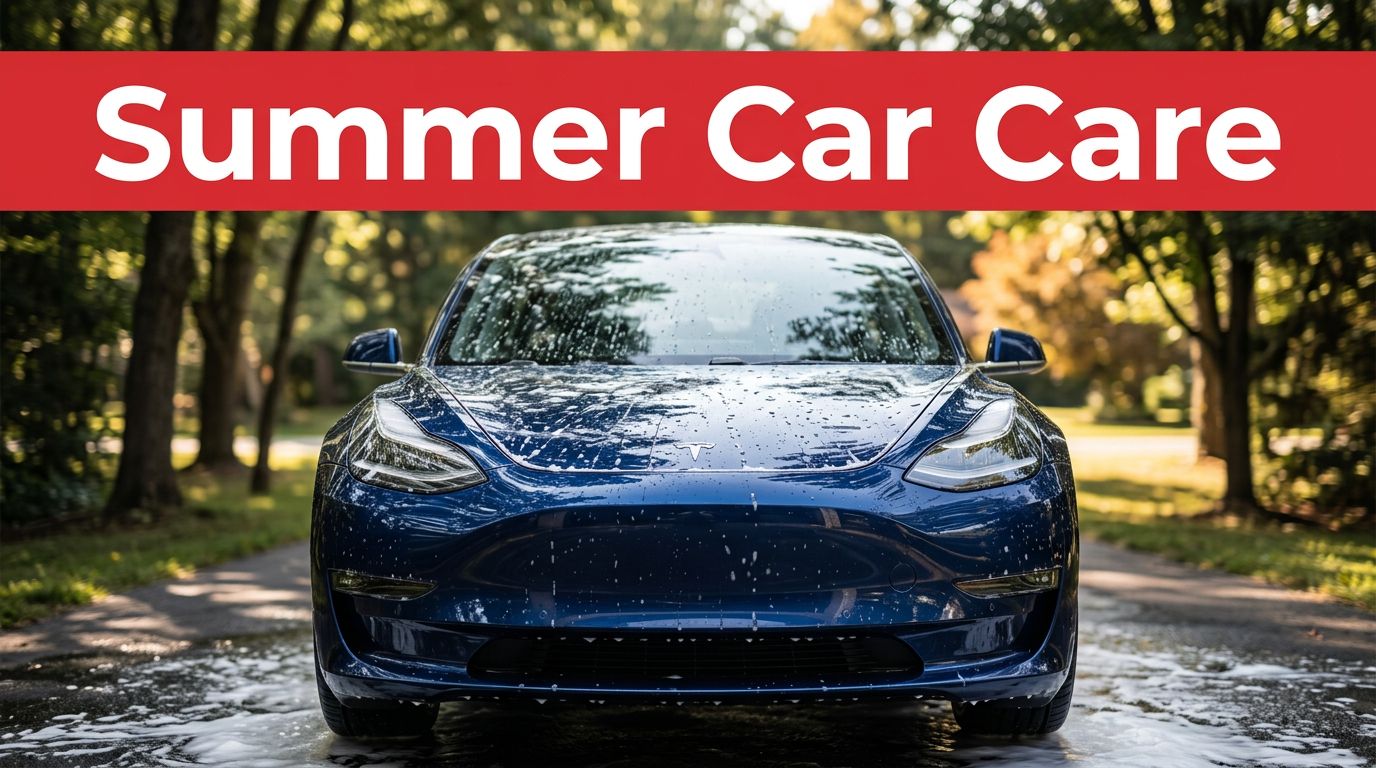
Summer brings bright skies, road trips, and weekend drives, but it also brings harsh elements that test your vehicle exterior. Intense heat, heavy dust, sticky tree sap, and baking sun can damage your paint faster than any other season.
Knowing how frequently to wash your car in the summer protects your investment and keeps your finish looking pristine. Here is everything you need to know about keeping your vehicle clean during the warmest months of the year.
Key Takeaways
- Wash your vehicle every one to two weeks during the summer to prevent stubborn contaminants from bonding with the clear coat.
- Always clean your car in the shade or during the early morning hours when surface temperatures are cool.
- Address bird droppings, dead bugs, and tree sap immediately rather than waiting for your next scheduled wash.
- Use pH-neutral automotive shampoos and plush microfiber towels to eliminate swirl marks and protect existing wax layers.
Why Summer Weather Demands Frequent Washing
Many drivers assume that a lack of rain means cars stay clean longer. Summer conditions actually introduce unique hazards that settle on your vehicle surface and accelerate wear. High temperatures cause moisture to evaporate rapidly, leaving behind concentrated mineral deposits from sprinklers or morning dew.
Ultraviolet rays bake these contaminants directly into the clear coat. When you wash car summer routines need to be more frequent than your winter habits. Waiting a month between washes allows microscopic dust, industrial fallout, and pollen to etch into the paint. Regular maintenance removes these hazards before they cause permanent damage.
The Ideal Summer Washing Frequency
Most everyday drivers benefit from a thorough exterior wash every seven to ten days during the peak summer months. If you park your car outdoors under trees or near active construction zones, you might need to rinse it twice a week. Dust and fine particulate matter accumulate quickly on horizontal surfaces like the hood, roof, and trunk lid.
Vehicles parked inside a covered garage throughout the day can often stretch their cleaning schedule to every two weeks. Pay attention to how your car looks and feels. If the paint feels rough to the touch after a wash, bonded contaminants require a clay bar treatment to restore a smooth finish.
Best Times and Places to Wash Your Car in the Summer Heat

Washing your car under direct midday sunlight is one of the quickest ways to damage your exterior finish. High surface temperatures cause soap and water to dry almost instantly before you can rinse them away. This leaves stubborn water spots, mineral rings, and soapy film that dull the shine.
Always park in a shaded spot or wait until the sun dips low in the sky before you start washing. Early morning or late evening hours offer cooler ambient temperatures and shaded conditions. Cool metal allows your car wash products to work effectively without baking onto the clear coat.
Handling Stubborn Summer Contaminants Between Washes
Routine maintenance handles general dust, but summer introduces aggressive organic materials that require immediate attention. Bird droppings, smashed insects, and oozing tree sap are acidic and destructive. When baked by summer heat, these substances eat through wax and damage the underlying clear coat within hours.
Keep a quick detailer spray and a clean microfiber towel in your trunk for spot cleaning. Gently mist the affected area, let the product lift the contaminant, and wipe it away without applying heavy pressure. Never scrub dried bird droppings with a dry towel because the abrasive debris will scratch the paint.
Essential Products for Safe Summer Detailing
Using the right tools prevents wash-induced scratches and preserves your paint protection. Cheap dish soaps strip away existing wax and leave your clear coat vulnerable to ultraviolet rays. Always choose a dedicated, pH-neutral automotive shampoo that lubricates the surface and lifts dirt gently.
Pair your shampoo with high-quality microfiber wash mitts and drying towels. Traditional sponges trap abrasive grit against the paint, whereas plush microfiber strands pull particles away from the surface. Use a two-bucket wash method with grit guards to keep loose dirt at the bottom of your wash bucket rather than transferring it back onto your vehicle.
| Product Type | Recommended Choice | Primary Purpose |
|---|---|---|
| Car Shampoo | pH-Neutral Automotive Wash | Cleans safely without stripping wax layers |
| Drying Tool | Waffle-Weave Microfiber Towel | Prevents water spots and avoids scratching |
| Spot Cleaner | Quick Detailer Spray | Safely removes bugs and bird droppings on the go |
Selecting proper supplies ensures your regular maintenance routine enhances your vehicle appearance instead of adding micro-scratches to the clear coat.
Managing Vehicle Care During Water Restrictions
Summer droughts often bring municipal water restrictions that make traditional driveway washing difficult or prohibited. Conservation rules do not mean your car has to suffer through months of dust and grime. Waterless wash products and rinseless wash solutions offer efficient alternatives for maintaining a clean vehicle.
Rinseless washes require only a single bucket of water and a specialized formula, allowing you to wash panel by panel without running a hose. Professional touchless car wash facilities also use recycled water systems and high-pressure rinses that comply with local conservation guidelines while protecting your finish.
Conclusion
Maintaining a regular cleaning schedule during the warmest months prevents stubborn contaminants from ruining your vehicle finish. Prioritizing shaded wash areas, proper automotive products, and prompt spot removal keeps your paint looking polished and vibrant all season long.
Protect your investment with consistent care and professional attention when your schedule gets busy. Visit Bud Car Wash today for expert exterior detailing that keeps your car spotless and protected against harsh summer conditions.