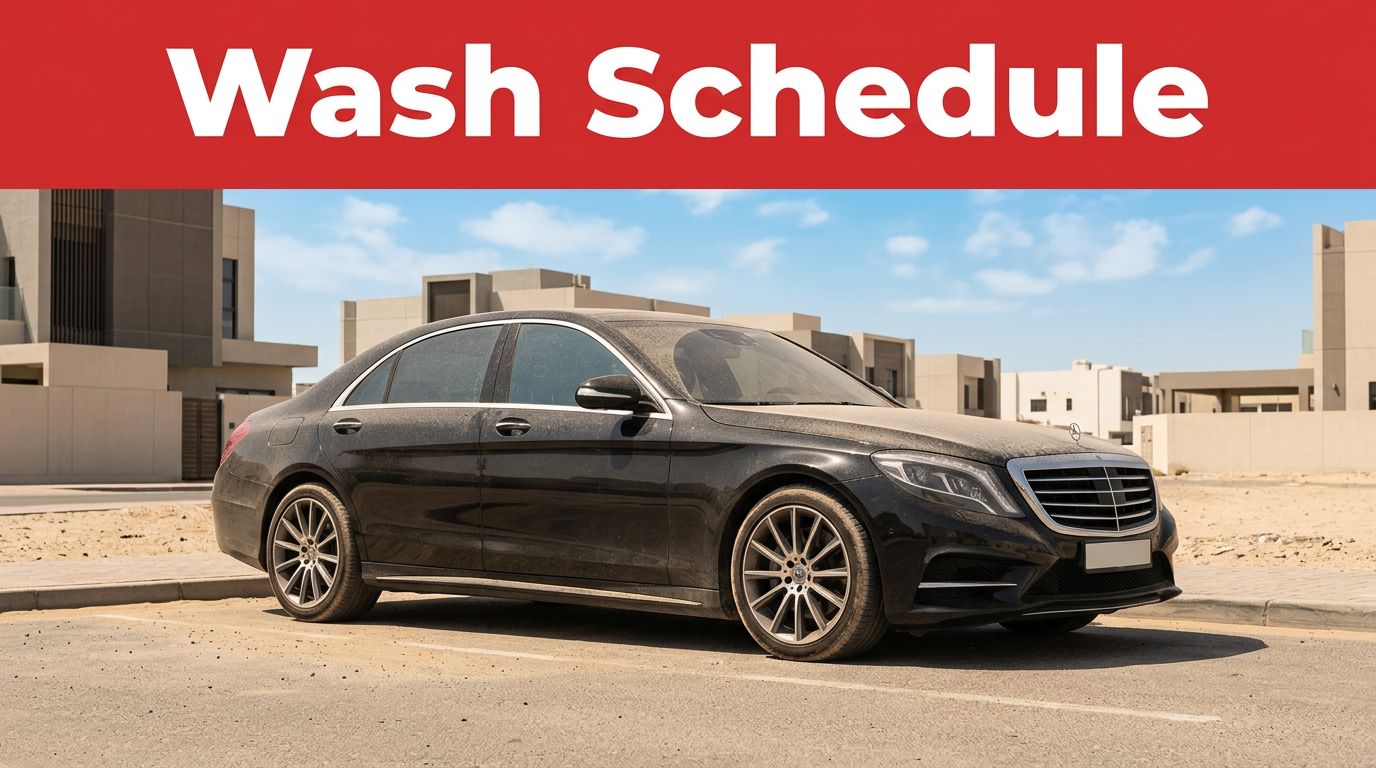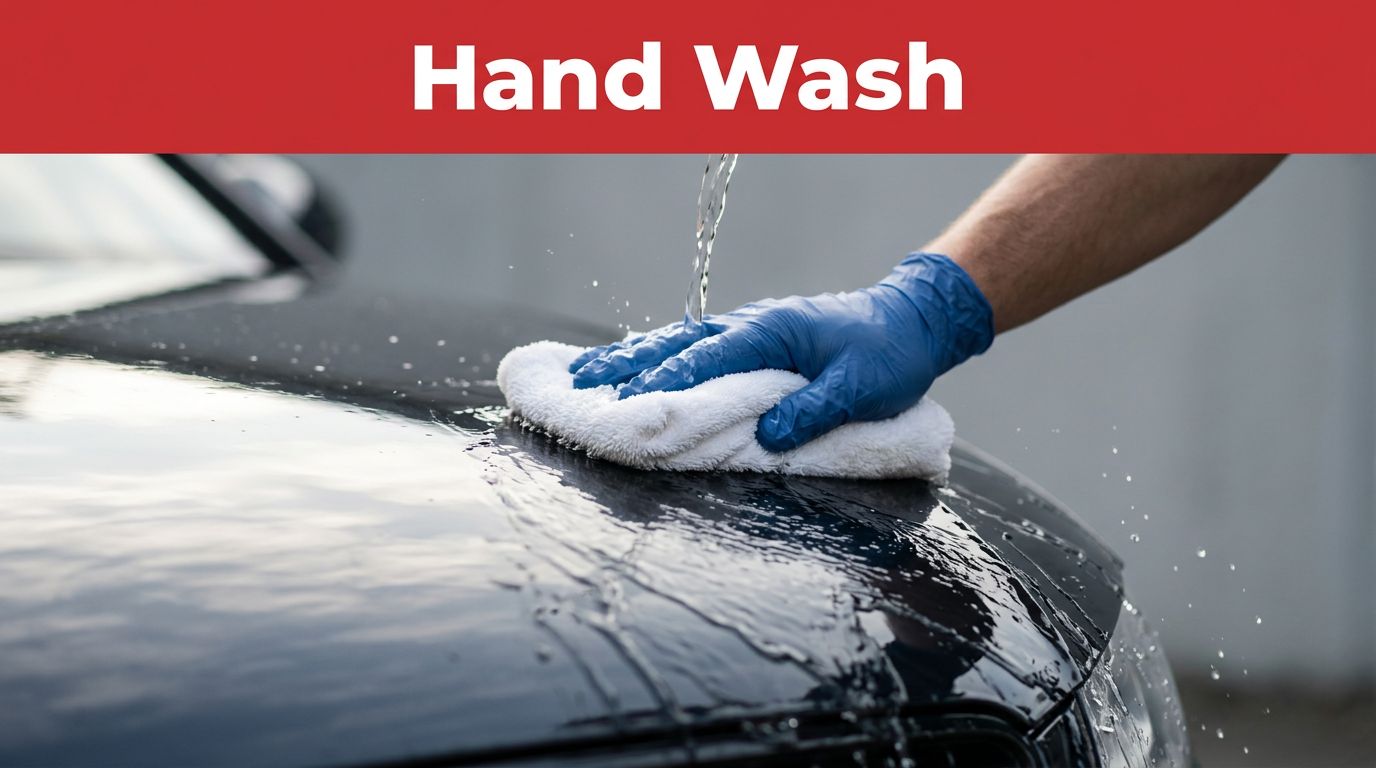
A clean car can develop swirl marks after only a few careless washes. The problem is rarely the water itself. It’s usually dirt, pressure, rough tools, or a drying towel being moved across the paint.
Hand washing delicate paint gives you better control over each part of the process. You can pre-rinse loose grit, use clean microfiber tools, and stop before a dirty area causes damage. The method still needs to be correct, but careful washing can protect the finish better than many automatic options.
Key Takeaways
- Hand washing allows better control over water pressure, tools, and contact.
- Touchless washes avoid brushes but may use strong chemicals and high pressure.
- Brush-based automatic washes can drag trapped dirt across the paint.
- Poor hand-washing technique can still create swirl marks.
- A professional wash is a practical choice for valuable, dark, or heavily marked finishes.
Why Delicate Automotive Paint Needs Care
Modern vehicle paint usually has several layers. The visible finish sits above a clear coat, which adds gloss and helps protect the color coat underneath. That clear coat is durable, but it isn’t impossible to mark.
Fine scratches often appear as circular lines under direct sunlight. They’re commonly called swirl marks. They can come from road dust, sand, dried mud, and other small particles that move across the surface during washing or drying.
Dark colors show these marks more easily, especially black, navy, and deep red vehicles. Soft or older clear coats can also need more careful treatment. A car with a ceramic coating or paint protection film still needs safe washing because its protection layer can become contaminated or damaged.
The goal is not to avoid all contact. The goal is to control contact. Loose dirt should be removed before a wash mitt touches the panel. The mitt should stay clean, and pressure should remain light.
A careful wash also protects more than appearance. Removing bird droppings, tree sap, salt, and road film helps prevent staining and keeps waxes, sealants, coatings, and films working properly. The EPA’s vehicle washing guidance also highlights the need to manage wash water responsibly, especially for commercial washing.
Hand Washing Gives You Control Over Every Panel
The main advantage of a hand wash is control. You decide how much pressure to use, which tool touches the paint, and when that tool needs to be rinsed.
A hand wash also lets you treat different areas according to their condition. The roof and upper doors may have light dust. The lower doors, rocker panels, and rear bumper may carry heavier road grime. Washing them all with the same dirty mitt spreads abrasive particles across the vehicle.
A safe hand wash usually starts with a strong rinse. Water removes loose dust and softens dried deposits before cleaning begins. Some professional detailers add a pre-wash foam or pressure rinse at this stage, but foam alone doesn’t remove every contaminant.
The cleaning solution matters as well. A car shampoo made for automotive paint is more suitable than household dish soap. A pH-balanced shampoo helps lift dirt while being less aggressive toward waxes and sealants. Products should always follow the care instructions for the vehicle’s coating or protective film.
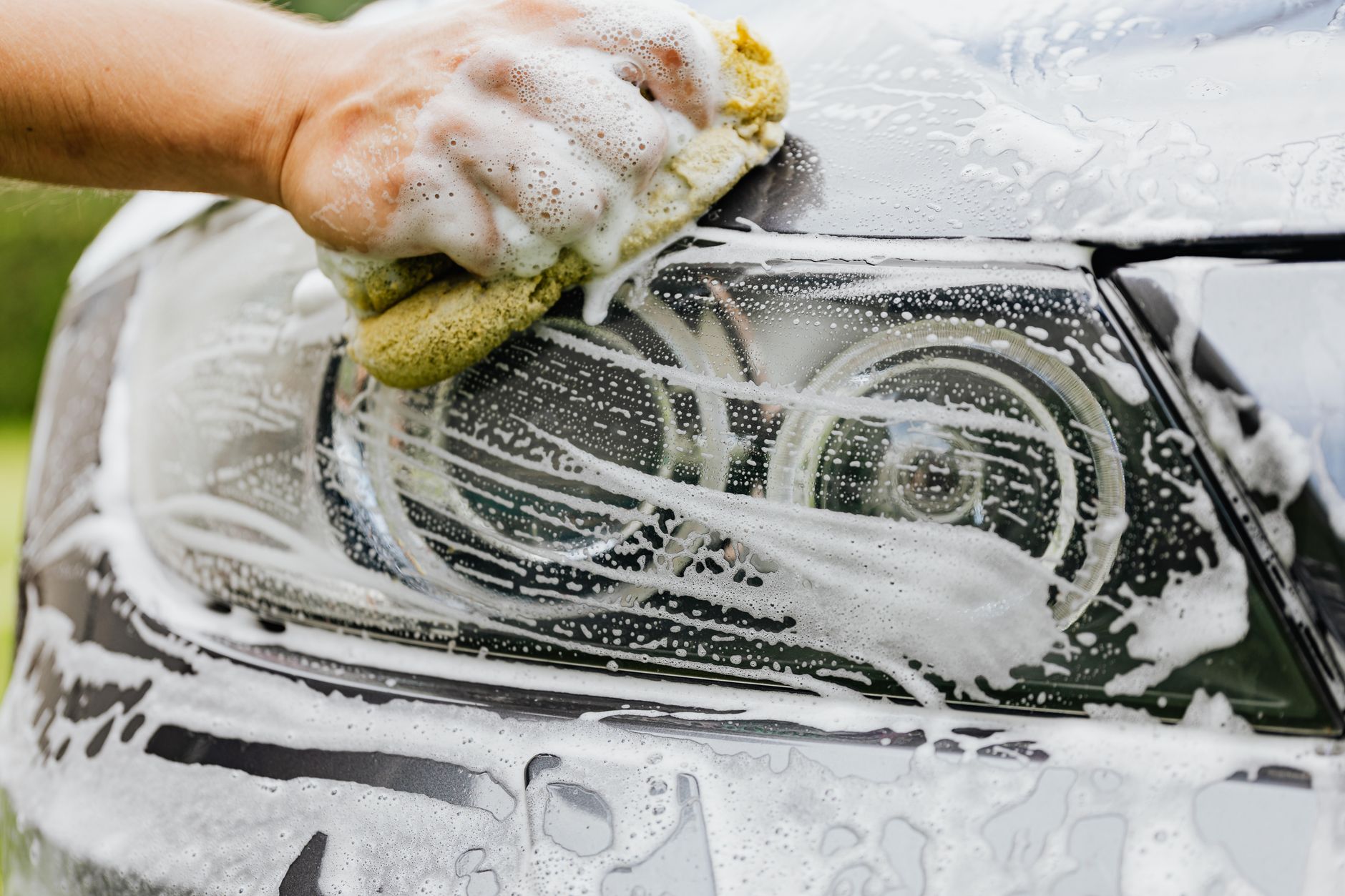
Photo by www.kaboompics.com
A clean microfiber or chenille wash mitt is preferable to a rough sponge. These materials can hold dirt away from the paint while you wash, provided they’re rinsed often. Separate tools should be used for the wheels and tires because brake dust can be highly abrasive.
Hand washing doesn’t make paint damage impossible. It makes the process easier to manage. That difference matters when the finish is delicate, recently polished, or expensive to repair.
Hand Wash, Touchless Wash, or Brush-Based Automatic Wash?
Not every automatic wash uses the same process. Touchless and brush-based systems create different risks for delicate paint.
A touchless wash uses water pressure and cleaning chemicals without physically rubbing the vehicle. This avoids brush contact and reduces the chance of a dirty brush dragging grit over the clear coat. However, strong detergents can reduce the life of waxes and some sealants. High pressure can also expose weak areas around trim, badges, or damaged paint.
A brush-based automatic wash uses rotating cloth, foam, or other contact materials. Modern systems vary in quality, but any shared brush can collect dirt from previous vehicles. That contamination may create fine marks when it moves across your paint.
| Wash type | Main advantage | Main concern for delicate paint |
|---|---|---|
| Careful hand wash | Best control over tools and pressure | Poor technique can create swirls |
| Touchless automatic wash | No brushes touch the finish | Strong chemicals may affect protection |
| Brush-based automatic wash | Quick and convenient | Shared contact materials may carry grit |
A touchless wash can be a reasonable choice when the vehicle needs a quick clean and the paint is too dirty for immediate hand contact. It may not remove heavy road film completely, so a second safe wash could still be needed.
For regular maintenance, a professional hand wash offers the most control when the team uses clean tools, suitable chemicals, and a careful drying process. The CARFAX car washing guide also recommends methods that reduce dirt movement across the finish.
How to Hand Wash Delicate Paint Safely
A paint-safe wash begins before the mitt touches the car. Choose a shaded location, allow the bodywork to cool, and keep all tools within reach. Washing hot panels in direct sun can dry shampoo before it is rinsed, leaving spots and residue.
Use two buckets when possible. One bucket holds the automotive shampoo solution. The other holds clean rinse water for the mitt. A grit guard can help settle some particles at the bottom, but it doesn’t replace frequent rinsing or clean equipment.
Follow this sequence:
- Rinse the vehicle thoroughly. Start at the roof and work downward. Give extra attention to lower panels, wheel arches, and the back of the car.
- Clean the wheels separately. Use wheel-specific tools and cleaner that match the wheel finish. Never take a wheel brush to painted body panels.
- Wash one small section at a time. Begin with the roof, glass, and upper panels. Move toward the lower areas as the mitt becomes more exposed to dirt.
- Use light, straight movements. Don’t scrub aggressively or press the mitt into the surface. Let the shampoo and microfiber material do the work.
- Rinse the mitt often. After each panel or small section, rinse it in the clean-water bucket. Inspect it for grit before returning it to the paint.
- Rinse the car completely. Shampoo should not dry on the surface. A final gentle rinse helps remove remaining solution from mirrors, handles, trim, and panel gaps.
- Dry with clean materials. Use a plush, paint-safe microfiber drying towel or a filtered air blower. Lay the towel over the panel and lightly pull it across instead of rubbing hard.
Never use an old bath towel, household sponge, paper towel, or dirty chamois on delicate paint. These materials can hold particles or create too much friction. If a towel falls on the ground, replace it or wash it before using it again.
A professional service may use pressure rinsing, foam pre-treatment, separate wash mitts, and dedicated drying towels. The equipment helps, but the process still matters more than the label on the service.
Improper Hand Washing Can Still Cause Swirl Marks
Hand washing is not automatically paint-safe. A careless technique can create the same type of fine marring found after a poor automatic wash.
The most common error is washing a dirty vehicle without a proper pre-rinse. Sand and grit stay on the surface, then the mitt moves them across the clear coat. Another mistake is using one bucket for both washing and rinsing. Dirty water quickly becomes a source of contamination.
Drying can also cause marks. Pressing hard with a towel, using a towel that has collected grit, or wiping a nearly dry surface can create unnecessary friction. The final rinse should leave enough lubrication for the drying towel to move smoothly.
Some owners wash in small circles because it feels natural. Straight-line passes are easier to control and make any fine marks less visually concentrated than circular wiping. The important point is gentle movement with a clean tool, not a particular pattern alone.
Take extra care with neglected paint. If the surface has heavy mud, salt, or sand, a rinse and pre-wash stage should remove as much contamination as possible. Do not try to force stubborn deposits away with pressure from your hand.
When Professional Hand Washing Is the Better Choice
Professional hand washing is useful when your vehicle has a delicate finish, dark paint, fresh polishing work, ceramic coating, or paint protection film. It is also practical when you don’t have shaded space, suitable towels, or a safe way to manage wash water.
A quality car wash service should be able to explain its process. Ask whether the team uses separate wheel tools, clean microfiber mitts, paint-safe shampoo, and fresh drying towels. If your vehicle has a coating or film, provide the product care instructions before service.
Bud Car Wash provides exterior washing and detailing options for different vehicle conditions. A careful service can include cleaning, drying, wax or polish treatments, and attention to areas that automatic equipment may miss. Eco-friendly products and a customer-focused process also help support regular vehicle care without treating every finish the same way.
Convenience should not mean ignoring the paint. The right service adjusts its method to the condition and protection level of your vehicle.
Conclusion
Hand washing protects delicate paint because it gives you control over dirt, pressure, tools, and drying. That control can reduce unnecessary contact and help preserve a smooth, glossy finish.
Touchless washes remain useful when brush contact is a concern, while brush-based automatic washes can carry more risk for marked or sensitive paint. Still, an improper hand wash can create swirl marks, so clean equipment and gentle technique are essential.
When the right method is used, careful washing keeps the finish cleaner, brighter, and better protected for longer.