Spilled coffee, muddy shoes, and everyday dust can turn your car interior into a mess in no time. Keeping your vehicle fresh requires more than a quick shake of the floor mats. You need a reliable method to clean car seats effectively, whether you are dealing with stubborn stains or just routine grime.
Your car interior faces daily wear and tear that quickly dulls its appearance. When you want to restore that pristine look, knowing the exact approach for your specific upholstery type prevents accidental damage. Take a look at these core practices before you start scrubbing.
Key Takeaways
- Vacuum every crevice thoroughly before applying any liquid cleaner to prevent mud formation.
- Match your cleaning products directly to your seat material, avoiding harsh all-purpose sprays on delicate leather.
- Use soft-bristled brushes to lift embedded dirt from fabric weaves without fraying fibers.
- Know when a tough stain or delicate vintage hide requires professional detailing rather than a DIY fix.
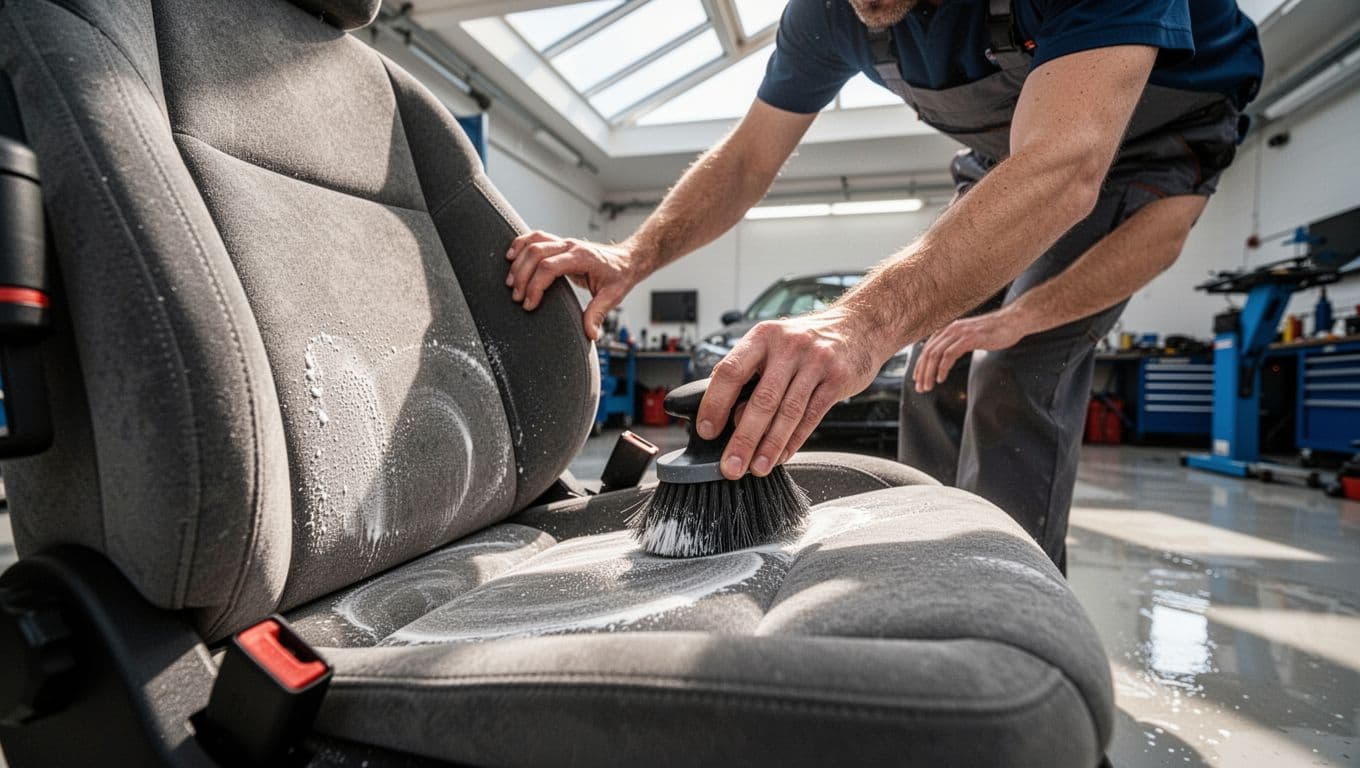
Photo by Tima Miroshnichenko
Preparing Your Interior for Deep Cleaning
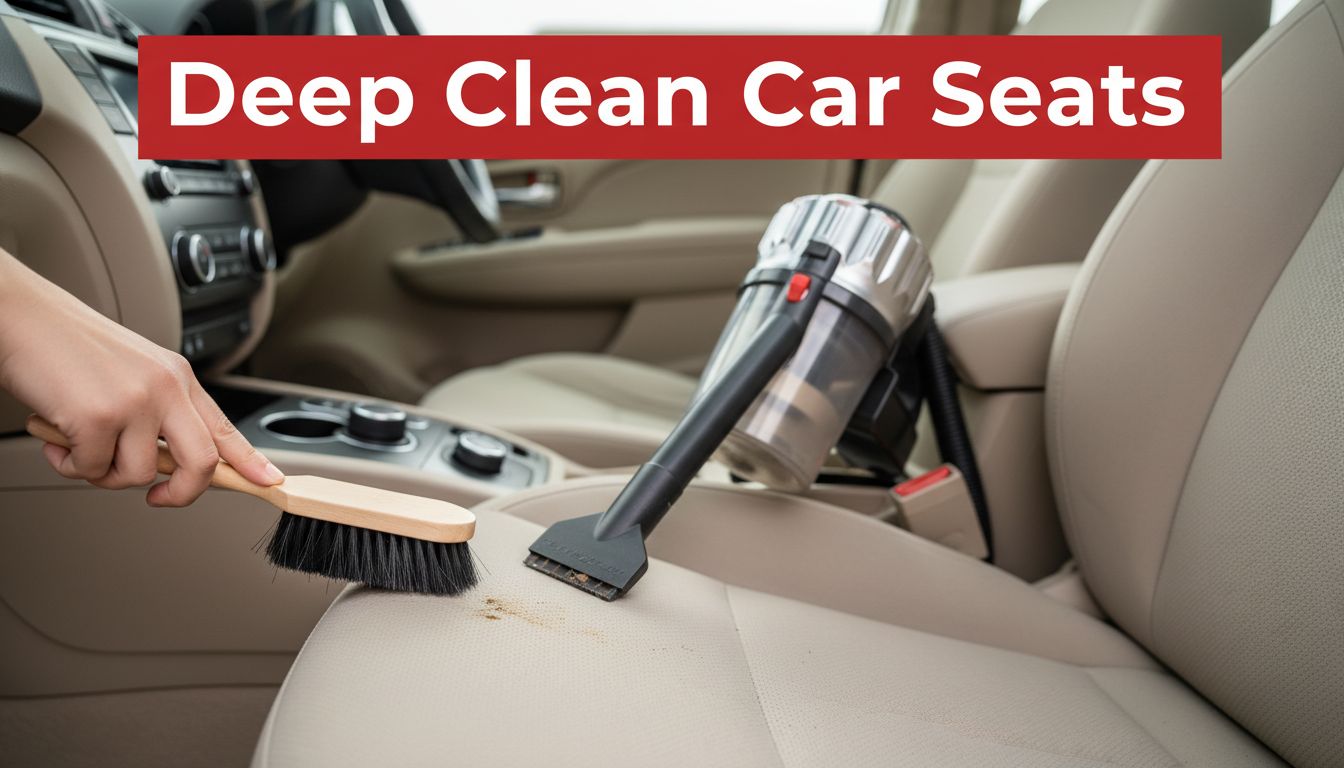
Before you spray any liquid on your upholstery, preparation is everything. Start by removing all personal items, trash, and child safety seats from the cabin. Grab a vacuum cleaner with a crevice tool attachment and suck out all loose debris, crumbs, and dirt hiding in the seams.
Pay special attention to the folds where the backrest meets the seat cushion. Dirt particles act like sandpaper against fabric and leather when rubbed with a brush. Getting rid of dry grit first ensures your wet cleaning steps lift stains rather than grinding them deeper into the material.
Tackling Fabric and Synthetic Upholstery
Fabric seats absorb spills quickly, making them prone to lingering odors and dark rings. Mix a few drops of mild laundry detergent with warm water in a bucket until you get a light foam. Dip a soft-bristled brush into the suds, making sure not to soak the fabric completely.
Scrub the surface in gentle circular motions to lift trapped dirt to the surface. Wipe away the dirty residue immediately using a clean microfiber cloth. For guidance on handling stubborn spots, check out this advice on how to clean car upholstery to ensure you use the right touch for synthetic blends.
Always test any DIY cleaning solution on a hidden spot under the seat first to check for colorfastness.
Restoring Leather and Vinyl Surfaces
Leather requires a delicate touch because harsh chemicals strip away its natural protective oils. Clean leather is matte and does not have an artificial shine, so avoid greasy dressings that leave a slippery film. For routine upkeep, a damp microfiber cloth is usually sufficient, but tougher dirt calls for a dedicated pH-neutral cleaner.
Apply a specialized product designed for automotive hides, then gently agitate the surface with a soft brush as outlined in these tips for cleaning leather car seats at home. Wipe away the loosened grime with a dry towel before the cleaner dries on its own. Follow up with a quality leather conditioner to keep the material supple and prevent cracking over time.
Knowing When to Call Professional Detailers
While DIY methods work wonders for routine upkeep, some situations demand professional intervention. Deep-set ink stains, severe mold, or delicate vintage leather can suffer permanent damage from standard home remedies. If you are unsure about the fabric composition or fear ruining expensive upholstery, expert help is the safest route.
Professional detailers use specialized steam extraction equipment and commercial-grade conditioners that penetrate deep into the foam padding. Bringing your vehicle to an experienced team saves you time and protects your investment from costly mistakes.
Maintaining a clean cabin makes every drive more enjoyable and preserves your vehicle value over the long run. Tackle spills as soon as they happen, stick to material-safe cleaners, and give your upholstery the regular attention it deserves.