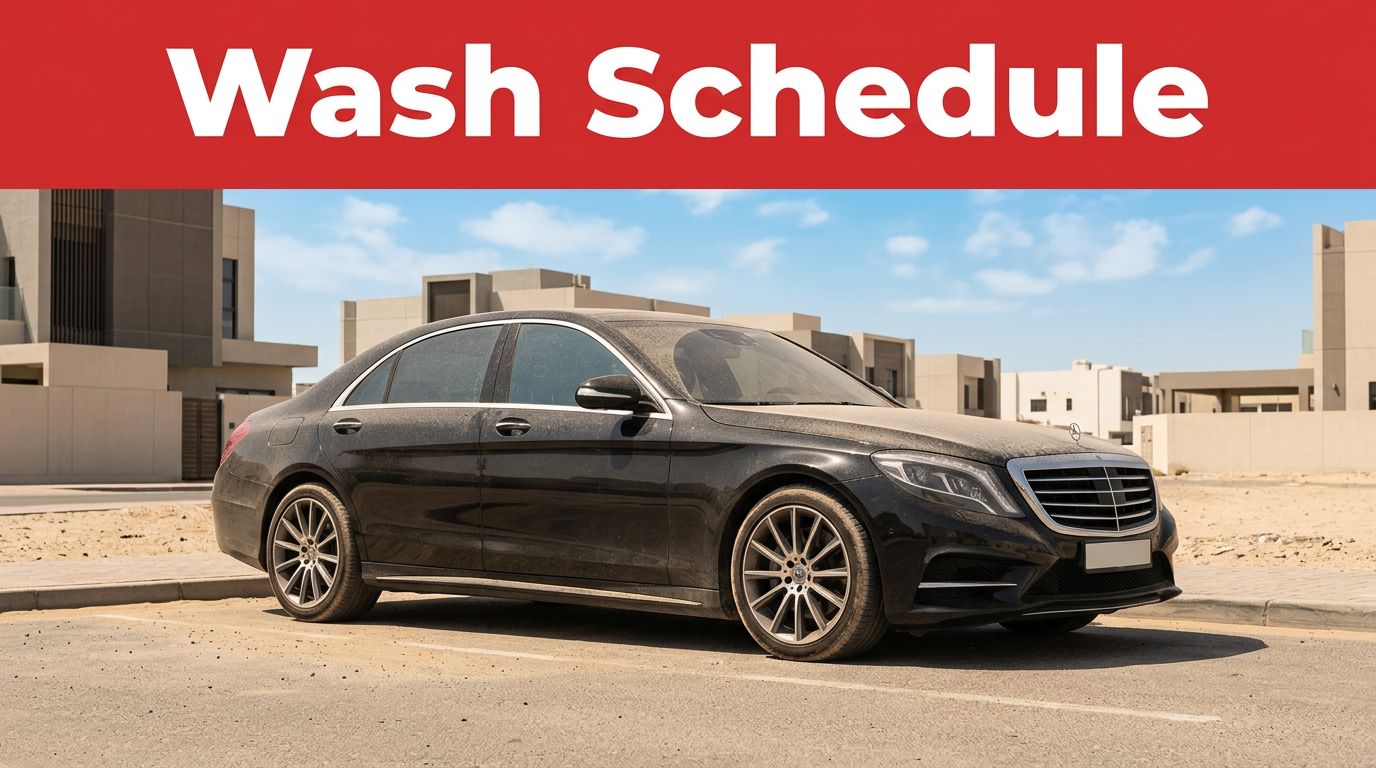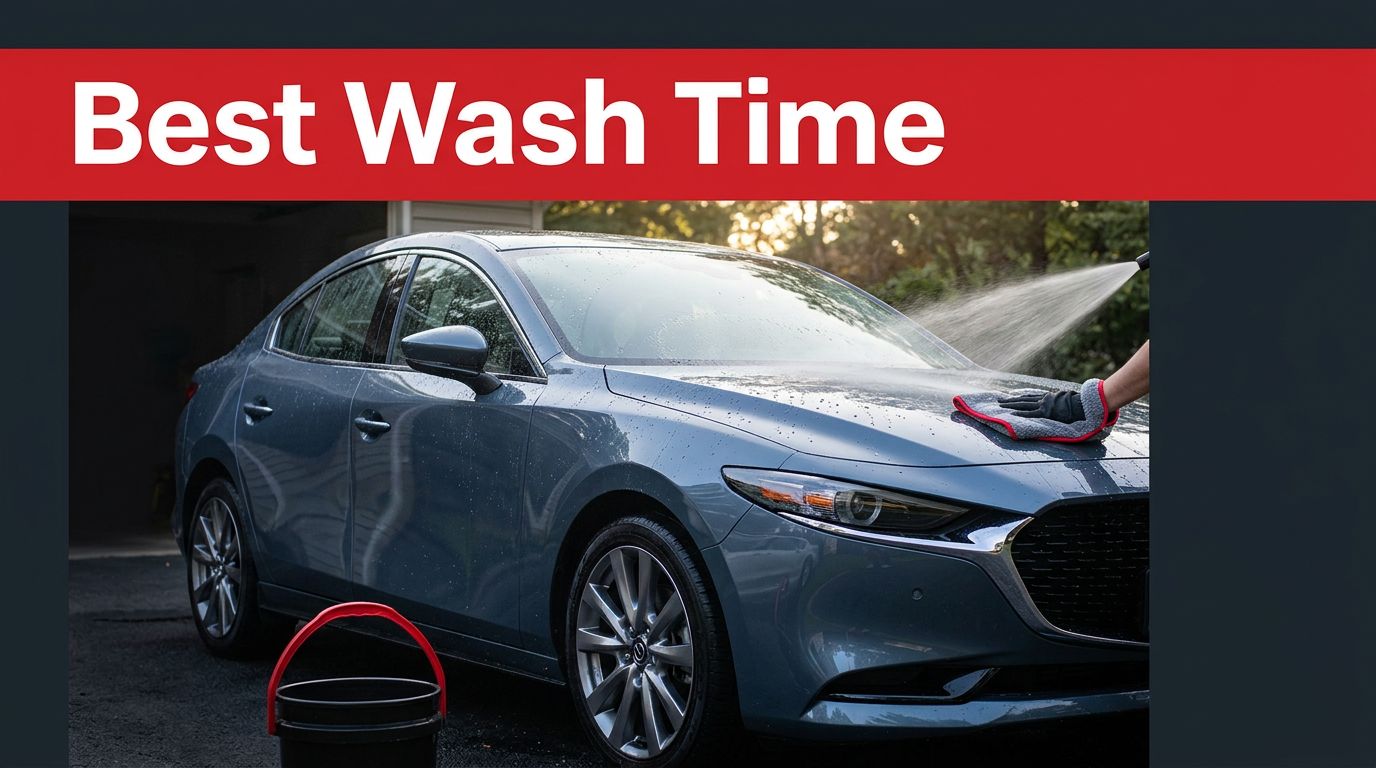
Washing your vehicle at the wrong time can leave water spots, streaks, and paint damage behind. The best time to wash car owners should remember is when the bodywork is cool, the surface is shaded, and rain isn’t about to begin.
For most drivers, early morning or late afternoon works well. In Dubai, timing matters even more because strong sunlight and high temperatures can dry water before you have time to rinse and dry the vehicle properly.
Key Takeaways
- The best time to wash car is usually early morning or late afternoon, away from direct sunlight.
- Avoid washing during extreme heat, high winds, freezing temperatures, or before heavy rain.
- A shaded driveway makes hand washing safer and easier.
- Professional car washes are a good choice when you need controlled conditions, proper drying, or deeper cleaning.
- Dry the car immediately after rinsing to reduce water spots.
Best Time to Wash Car: The Quick Answer
The best time to wash your car is early in the morning or later in the afternoon, when the paint is cool and the sun is less intense. Choose a shaded location with mild weather and enough time to rinse and dry every panel.
A practical schedule is between 7 a.m. and 10 a.m. or after 4 p.m., depending on the season and local temperature. In Dubai, washing shortly after sunrise or near sunset is often more comfortable than washing in the middle of the day.
Direct sunlight creates the biggest problem. Water, soap, and rinse water can dry quickly on hot paint. As the droplets evaporate, minerals remain on the surface and create visible spots. Soap can also dry before you rinse it, leaving dull patches or streaks.
If you need a quick answer, follow this simple rule:
Wash your car when the paint is cool enough to touch comfortably, the vehicle is out of direct sun, and rain isn’t expected soon.
Cloudy weather can be suitable, but clouds don’t always mean cool conditions. Check the surface before starting. If the bonnet or roof feels hot, move the vehicle into shade or wait for a better time.
The same rule applies whether you’re washing at home or visiting a professional facility. The difference is that professional wash bays often provide shade, controlled water flow, trained staff, and faster drying.
Why Washing Time Matters for Your Car’s Finish
Car washing is meant to remove dust, road film, bird droppings, and other contaminants. Poor timing can make the process harder and reduce the quality of the final finish.
Hot paint dries water and cleaning products too quickly. This can leave mineral deposits that become difficult to remove without polishing. Repeated water spotting can also make a well-maintained vehicle look dull, especially on black, dark blue, and other deep colours.
Washing in strong sun can create uneven results because some panels dry before others. You may rinse the roof while the doors are already drying. The result is a patchy finish that needs another wipe or a second wash.
Temperature also affects your comfort and attention. When you rush through a wash because of severe heat, you may miss the lower doors, wheel arches, mirrors, or areas behind the number plates. These areas often collect the most dirt.
A cool surface gives you more working time. Soap remains wet longer, dirt lifts more safely, and drying becomes more controlled. That combination supports a cleaner finish with less pressure on the paint.
The Right Time for Driveway Car Washing
A driveway wash can produce excellent results when the conditions are suitable. Start by checking the location, weather, and condition of the vehicle before bringing out your supplies.
Park in full shade if possible. A garage, carport, or building shadow is ideal. If shade is limited, wash one section at a time and keep the rest of the vehicle wet. Avoid placing the car on hot concrete under direct sunlight, as heat can rise onto the lower panels.
Use clean water, a dedicated car shampoo, a soft wash mitt, and separate tools for the wheels. Household dish soap can remove protective oils and may leave the surface dry. A proper car shampoo is a better choice for regular cleaning.
Work from the top of the vehicle downward. The roof and glass usually carry less heavy dirt than the wheels and lower panels. Cleaning the cleaner areas first reduces the chance of spreading grit across the paint.
A simple driveway washing order is:
- Rinse loose dust and sand from the entire vehicle.
- Clean the wheels with a separate mitt or brush.
- Wash the roof, glass, bonnet, and upper panels.
- Clean the doors, bumpers, and lower sections.
- Rinse thoroughly, including mirrors, grilles, and wheel arches.
- Dry with a clean microfiber towel before water spots form.
Don’t let a wash mitt fall onto the ground and return to the paint. Small particles can become trapped in the fibres and cause fine scratches. Rinse the mitt often, especially when cleaning dusty vehicles in Dubai.
High winds are another reason to delay a driveway wash. Wind can blow sand and dust onto freshly washed panels. It can also carry leaves and other debris into the water or shampoo bucket. If the forecast is windy, a professional covered wash bay is usually the better option.
Weather Conditions to Avoid
The time of day is only one part of the decision. Weather conditions can change whether a wash is practical and whether the finish will dry properly.
Direct sunlight and extreme heat
Avoid the hottest part of the day, especially when the vehicle has been parked outside. Hot paint can dry water and shampoo almost instantly. This increases the chance of water spots and soap marks.
Extreme heat also makes hand washing uncomfortable. You may work too quickly and miss sections. A shaded wash is safer for the finish and more manageable for you.
High winds and blowing dust
Wind creates a clean-car problem before the wash is even finished. Dust can settle on wet panels and become trapped under a towel. Sand particles can scratch the surface when you wipe them across the paint.
Wait for calmer conditions or choose a covered professional wash. This is particularly useful in open areas where dust moves freely.
Imminent rain
Rain doesn’t always damage paint by itself, but washing immediately before rain can make the effort less useful. Freshly cleaned panels may collect road spray, dust, and dirty runoff as soon as you drive.
If rain is expected within the next few hours, delay the wash when possible. If the vehicle needs immediate cleaning because of bird droppings, tree sap, or other contaminants, wash the affected area and dry it properly.
Freezing temperatures
Freezing weather creates different risks. Water can freeze around door seals, locks, mirrors, and other small gaps. It can also leave slippery surfaces around the vehicle.
Avoid driveway washing when temperatures are near freezing. Use a professional facility with suitable drying equipment, or wait until the temperature rises and the vehicle can dry fully.
When a Professional Car Wash Is the Better Choice
A professional car wash is useful when the weather is unsuitable for driveway cleaning or when the vehicle needs more than a quick exterior rinse. Covered bays reduce direct sunlight, while experienced staff can clean difficult areas without rushing.
Professional washing is also practical after long road trips, dusty conditions, or heavy rain. Wheel arches, tyres, grilles, door jambs, and lower panels need careful attention. These areas are easy to miss during a quick home wash.
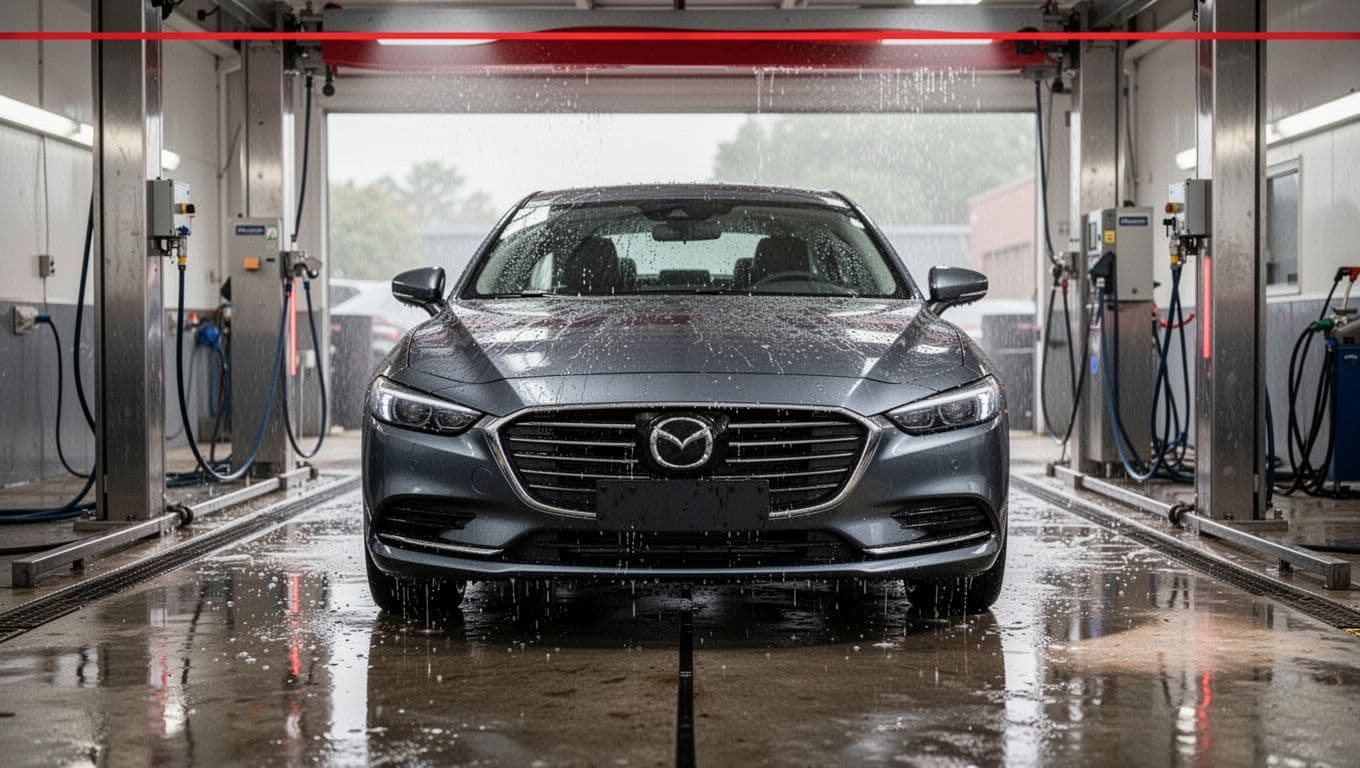
A service such as Bud Car Wash can also provide options beyond a standard exterior clean. Deep interior detailing removes dust, marks, and odours from the cabin. Wax and polish services improve gloss and add a layer of protection when the paint needs extra care.
Ask how the vehicle is washed and dried before choosing a service. Good questions include:
- Is the wash performed in a shaded or covered area?
- Are separate tools used for wheels and painted panels?
- Is the vehicle dried with clean microfiber towels or suitable air equipment?
- Can the service remove stubborn road film, stains, or interior marks?
- Which products are used on paint, glass, wheels, and upholstery?
The time of day is less restrictive at a professional facility, especially when the vehicle remains under cover. Early morning and late afternoon are still comfortable choices, but a high-quality wash can be completed at other times when the bay provides proper shade and drying.
How Often Should You Wash Your Car?
Most vehicles benefit from a wash every one to two weeks, but the right schedule depends on driving conditions. Cars exposed to dust, construction areas, coastal air, bird droppings, or frequent highway driving may need more regular cleaning.
Dubai’s heat and dust can make surface contamination noticeable quickly. A regular exterior wash prevents dirt from building into a thicker film that needs stronger cleaning. Frequent cleaning is especially helpful for light-coloured vehicles, where dust becomes visible, and dark vehicles, where water spots stand out.
Don’t wait for the vehicle to look heavily soiled before cleaning it. Bird droppings, insect residue, and tree sap should be removed as soon as possible. These contaminants can become harder to clean after sitting in heat.
A full detail isn’t needed every time. Regular washes can handle loose dirt and road film. Deep interior detailing, polishing, or waxing can be scheduled when the cabin, paint, or protective finish needs additional care.
Conclusion
The best time to wash car owners can choose is early morning or late afternoon, with the vehicle parked in shade and enough time set aside for complete drying. Avoid direct sun, extreme heat, high winds, freezing conditions, and rain that is due to arrive soon.
Driveway washing works well when you have suitable products, clean tools, and a cool surface. A professional car wash is the stronger choice when the weather is difficult or your vehicle needs detailed cleaning and a more refined finish. Good timing protects the paint, improves the result, and keeps every wash worthwhile.